Vitamine D-tekort Oorzaken: 7 Verborgen Factoren en Simpele Manieren om je Vitamine D-waarde te Verhogen
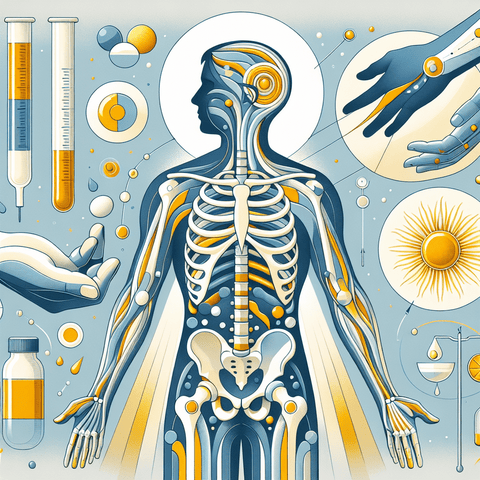

Vitamine D-tekort oorzaken kunnen subtil en gelaagd zijn, waardoor het gemakkelijk is om enkele bijdragende factoren te missen. Deze pagina richt zich op zeven verborgen oorzaken van vitamine D-tekort die vaak over het hoofd worden gezien, en plaatst deze factoren binnen een bredere context van de status. Het doel is een neutraal overzicht te bieden dat geïnformeerde gesprekken met een zorgverlener ondersteunt. Zeven verborgen oorzaken van vitamine D-tekort om te overwegen zijn onder andere: beperkte blootstelling aan zonlicht door geografische locatie, seizoen of dagelijkse routines; veroudering en veranderingen in het vermogen van de huid om vitamine D te synthetiseren; verschillen in huidkenmerken die de zon-gerelateerde productie beïnvloeden; medische aandoeningen die de opname, stofwisseling of activatie van vitamine D beïnvloeden; medicatie die de vitamine D-stofwisseling beïnvloedt; lichaamsgewicht en distributipatronen die verband houden met de beschikbaarheid ervan; en culturele praktijken of beroepspatronen die de tijd buiten doorbrengen verminderen. Wat praktische stappen betreft, beschrijven mensen vaak algemene richtingen om deze oorzaken van vitamine D-tekort aan te pakken, zoals het aanpassen van dagelijkse activiteiten om af te stemmen op daglichturen, mogelijkheden creëren voor veilig buiten zijn, het bespreken van je gezondheidsverhaal met een arts om relevante factoren te identificeren, en een plan te maken dat aansluit bij individuele omstandigheden. De nadruk ligt op het begrijpen van de betrokken factoren en hoe deze passen in een persoonlijke aanpak, in plaats van het voorschrijven van specifieke interventies. Het herkennen van oorzaken van vitamine D-tekort is een eerste stap in persoonlijke gezondheidsgesprekken. Voor advies dat op jou is afgestemd, raadpleeg een arts die kan helpen mogelijke contributies in kaart te brengen en de juiste vervolgstappen te bespreken. Als je vragen hebt over de oorzaken van vitamine D-tekort in jouw situatie, kan een professional je helpen interpreteren hoe deze factoren verband kunnen houden met je algehele gezondheid.


How to know if you are lacking vitamin D? - Topvitamine
Oct 16, 2025
Een vitamine D-tekort kun je niet betrouwbaar aan symptomen alleen herkennen. Vermoeidheid, spierzwakte en bot- of spierpijn kunnen voorkomen, maar hebben ook andere oorzaken. Een 25(OH)D-bloedtest via de huisarts of een laboratorium geeft meer duidelijkheid. In dit artikel lees je over risicofactoren, veilig verhogen van je vitamine D, de mogelijke relatie met gewicht en wanneer professioneel advies verstandig is.
Why does vitamin D decrease? - Topvitamine
Oct 15, 2025
Waarom daalt vitamine D, zelfs wanneer u gezond leeft of een supplement gebruikt? Mogelijke oorzaken zijn weinig UVB-licht, seizoensinvloeden, een beperkte inname, verminderde opname, bepaalde aandoeningen, medicijnen en individuele verschillen. In dit artikel leest u welke signalen kunnen passen bij een lage vitamine D-status, wanneer testen zinvol is en hoe voeding, leefstijl en passende suppletie kunnen helpen.

Vitamin D is a crucial nutrient, yet deficiency is surprisingly common. When your vitamin D levels are low, it's rarely due to a single simple cause. Instead, it's often a complex mix of environmental, physiological, and lifestyle factors that work together. This guide explores the primary causes of vitamin D deficiency, from how your body makes it to how it's processed internally, providing a clear overview to help you understand the bigger picture.

Why Is Vitamin D Important and What Does Deficiency Mean?

Vitamin D is a fat-soluble vitamin that is essential for maintaining healthy bones and teeth. It also plays a significant role in supporting a healthy immune system and muscle function. A deficiency occurs when your body doesn't have enough vitamin D to perform these functions optimally. While the causes are varied, understanding them is the first step in addressing low levels. This page serves as a broad overview of the potential contributors, while our individual articles delve deeper into specific areas.

The Primary Cause: Sunlight and Synthesis

The most well-known cause of vitamin D deficiency is a lack of adequate sun exposure. Your skin synthesizes vitamin D when exposed to UVB rays, but this process is highly dependent on several variables.

Environmental and Lifestyle Barriers to Sun Exposure

Many factors can limit your sun exposure, including living in high latitudes with limited winter sunlight, spending most of the day indoors for work or study, and consistently using high-SPF sunscreen. People who live in areas with significant air pollution may also have reduced UVB penetration. Cultural or religious practices that involve covering the skin can also significantly reduce daily sun exposure.

Biological Factors Affecting Vitamin D Synthesis

As we age, our skin's ability to synthesize vitamin D decreases. Similarly, individuals with higher levels of melanin (darker skin) have more natural protection against UV rays, which means they require longer sun exposure to produce the same amount of vitamin D as someone with lighter skin. These biological differences are a crucial piece of the puzzle when considering deficiency causes.

Internal Factors: Absorption, Metabolism, and Medications

Even if you get enough sun or eat vitamin D-rich foods, your body needs to absorb and process it correctly. This involves a complex chain of events in the gut, liver, and kidneys.

How Gut Health and Body Weight Play a Role

Since vitamin D is fat-soluble, its absorption is linked to dietary fat intake and the health of your digestive system. Certain medical conditions affecting the gut can impair absorption. Additionally, research suggests that body weight, particularly higher levels of body fat, may sequester vitamin D, making it less available for the body to use. Explore our calcium and bone health supplements category as calcium and vitamin D often work in tandem.

Influence of Medications and Underlying Health Conditions

Certain medications are known to interfere with vitamin D metabolism, including some drugs for seizures, glucocorticoids, and weight-loss medications. In addition, chronic conditions like kidney or liver disease can impair the body's ability to convert vitamin D into its active form. A thorough discussion of your health history with a clinician is essential to identify these potential contributors.

Dietary Sources and Supplementation

Diet is a secondary but important source of vitamin D. Natural food sources are limited, but they do include certain types of fish, such as salmon and mackerel, egg yolks, and fortified foods like some dairy products and cereals. When diet and sun exposure are insufficient, supplementation is often considered. If you are considering a supplement, it's helpful to review vitamin D benefits, sources, and safety information to make a more informed decision.

What Are the Signs of Low Vitamin D?

While this page focuses on causes, recognizing potential signs is a natural companion topic. Symptoms associated with deficiency can be subtle and are often mistaken for other issues. They may include persistent fatigue, bone or back pain, muscle weakness, or a low mood. It is important to note that these are not definitive indicators. The only way to know for sure if you have a deficiency is to have a blood test ordered by a healthcare professional.

Practical First Steps to Address the Causes

Addressing vitamin D deficiency causes is about understanding your personal risk factors. Here are some high-level, practical approaches to discuss with your doctor:

  • Audit your sun exposure: Assess your typical daily routine and identify realistic opportunities for short, safe sun exposure.
  • Review your diet: Consider how many vitamin D-rich or fortified foods you regularly consume.
  • Discuss your health history: Bring up any chronic conditions or medications you are taking with your clinician, as these can influence your vitamin D levels.
  • Get a blood test: Ask your healthcare provider if a simple blood test is right for you to get an accurate baseline of your status.

For those looking to support their overall nutritional intake, you can view our range of Topvitamine natural supplements, where you can find resources on many essential nutrients.

Exploring the Topic Further

This page has provided a broad map of the primary causes of vitamin D deficiency. To dive deeper into specific aspects, such as how to raise your levels quickly or what foods are high in vitamin D, explore the dedicated articles linked below. They offer more detailed information for those seeking to understand the nuances of this widespread health topic.