
Deze pagina schetst snelle, veilige stappen richting oplossing van vitamine D-tekort, met aandacht voor zonblootstelling, voedingskeuzes, slimme supplementen, testtips en richtlijnen voor wanneer een arts te raadplegen. Het doel is een duidelijke, gemeten aanpak te bieden die rekening houdt met diverse behoeften en omstandigheden, terwijl het onderwerp praktisch en realistisch blijft. Zonblootstelling kan een onderdeel zijn van het behoud van vitamine D-waarden, mits veilig gedaan. Overweeg je locatie, seizoen en persoonlijke factoren bij het plannen van korte buitensessies. Volg je reactie op zonlicht en pas de duur aan, balancerend tussen behoefte aan blootstelling en veiligheidszorg. Als je vragen hebt over veilige praktijken, raadpleeg dan betrouwbare bronnen of een arts. Voedingskeuzes en slimme supplementen kunnen onderdeel zijn van een bredere strategie. Richt je op patronen die passen bij je routines en voorkeuren, en bespreek je opties en veilig gebruik met een arts of apotheker. Beslissingen op basis van je persoonlijke situatie maken het proces praktisch en afgestemd op jouw doelen, zonder te suggereren dat er één universele uitkomst bestaat. Testtips en weten wanneer je een arts moet raadplegen, zijn essentiële onderdelen van een doordachte aanpak. Kies betrouwbare tests zoals aanbevolen door zorgprofessionals, volg de voorgestelde timing, en houd een eenvoudig logboek bij om te delen met je arts. Raadpleeg een professional bij blijvende risico’s, aanhoudende klachten, of indien testresultaten verder onderzoek rechtvaardigen. Deze richtlijnen ondersteunen een gemeten, persoonlijke route naar het oplossen van vitamine D-tekort.
Vitamin D-tekort Oplossen: Snelle, Veilige Stappen om je Vitamin D-niveaus te Herstellen
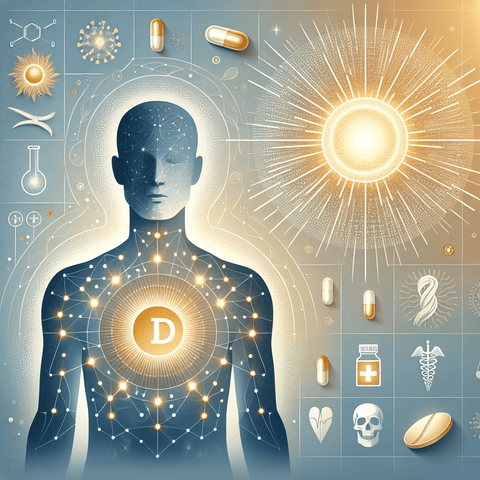
Vitamin D deficiency resolution is a topic that brings together testing, lifestyle factors, dietary considerations and professional guidance. It is relevant to anyone who has been told their vitamin D level is low, who is concerned about symptoms, or who wants to understand how vitamin D status is generally assessed and supported. This page offers a broad overview of the main dimensions of the topic so you can understand the landscape before exploring more specific questions.
What Vitamin D Deficiency Resolution Means
Vitamin D deficiency resolution generally refers to the process of identifying low vitamin D status, understanding possible contributing factors, and taking steps that may help restore levels over time. Because vitamin D is involved in normal bone, muscle and immune function, maintaining adequate status is often discussed as part of general health. However, the topic is not about a single quick fix. It involves assessment, context and follow-up, usually with input from a healthcare professional.
Resolution is individual. Factors such as baseline level, lifestyle, season, skin tone, age and overall health can all influence how a clinician approaches the situation. This is why general information can help you understand the topic, but it cannot replace personalised advice.
Why Vitamin D Status Matters
Vitamin D contributes to the normal absorption and use of calcium and phosphorus, and it supports normal bone and muscle function. It also has a recognised role in the normal function of the immune system. When levels are low, these normal functions may be affected, but symptoms can be subtle and non-specific.
Some people with low vitamin D may notice tiredness, muscle aches or generally feeling less well, while others may have no obvious symptoms. Because these experiences can have many causes, testing and clinical interpretation are important before drawing conclusions. Long-term low vitamin D status has been associated with broader health concerns, which is one reason the topic receives attention.
Main Dimensions of the Topic
Vitamin D deficiency resolution is best understood as a map with several connected areas. These include testing and interpretation, everyday factors such as sun exposure and diet, supplement considerations, monitoring over time, and knowing when to seek professional guidance. Each area contributes to the broader picture.
Testing and Interpretation
Testing is usually the starting point for understanding vitamin D status. A blood test can show whether a level is low and provide a baseline for comparison later. Reference ranges and individual context matter, so results are typically discussed with a healthcare professional. Self-interpreting a result without clinical context can be misleading.
Sun Exposure as a Contributing Factor
Sunlight helps the skin produce vitamin D. The amount needed varies with location, season, time of day and personal factors. Brief outdoor intervals are often discussed as part of a balanced approach, but sun exposure should be approached sensibly, with attention to skin safety and individual circumstances.
Diet and Dietary Sources
Diet can contribute to vitamin D intake, though few foods are naturally rich in it. Oily fish, egg yolks and some fortified foods are commonly mentioned sources. Dietary patterns are one part of the broader topic, but they are rarely the whole story on their own.
Supplements and Professional Advice
Vitamin D supplements are available in different forms and strengths. They are often discussed as part of a resolution plan, but choices about dosage, duration and monitoring are best made with a clinician or pharmacist. Supplement use should be individualised rather than based on general information alone.
Signs and Symptoms: What to Keep in Mind
Some signs associated with low vitamin D may include tiredness, muscle discomfort or a general sense of not feeling well. These can also have many other causes, so they are not specific to vitamin D. If you notice persistent or concerning symptoms, it is reasonable to seek professional advice rather than trying to resolve the issue on your own.
How Long Resolution May Take
Timelines vary widely depending on the starting level, the approach taken and individual factors. Some people may see changes in test results within weeks or months, while others may need longer. Monitoring through follow-up testing is often part of the process, and a healthcare professional can advise on appropriate intervals.
Practical Considerations and Safety
Approaching vitamin D deficiency resolution sensibly means avoiding extremes. Very high doses without professional guidance may carry risks, and prolonged sun exposure without protection can be harmful. A balanced approach includes appropriate testing, individualised advice and attention to overall health.
- Discuss testing and results with a qualified healthcare professional.
- Consider sun exposure sensibly, taking location, season and skin safety into account.
- Include dietary sources as part of an overall pattern rather than relying on them alone.
- Ask a clinician or pharmacist before starting or changing supplement use.
- Keep a simple record of symptoms and test results to share with your clinician.
Exploring Related Nutrient and Supplement Topics
Vitamin D does not work in isolation. Calcium and magnesium are often discussed alongside it because of their roles in normal bone and muscle function. If you are exploring the broader context of nutrient support, you may find our guides on calcium and bone health and magnesium for muscle and bone support useful. For a wider view of supplement categories, you can also browse our natural supplements collection. These resources provide general information and do not replace personalised medical advice.
When to Seek Professional Guidance
If you have persistent symptoms, ongoing risk factors for low vitamin D, or test results that concern you, speaking with a healthcare professional is a sensible step. They can help interpret results, discuss appropriate next steps and monitor progress over time. This page is intended for general education and should not be used as a substitute for individual medical advice.