
Stap 1: Begrijp de rol van blootstelling aan de zon bij het herstel van vitamine D-waarden. In gesprekken over het herstel van vitamine D-waarden wordt zonlicht vaak beschreven als een factor die kan beïnvloeden hoe de niveaus veranderen. Praktische overwegingen omvatten de hoeveelheid blootgestelde huid, het tijdstip van de dag, breedtegraad en seizoen, die allemaal kunnen variëren van persoon tot persoon. Geef prioriteit aan veiligheid en volg lokale richtlijnen om je huid te beschermen terwijl je kansen voor zonblootstelling onderzoekt. Als je beperkte toegang hebt tot zonlicht of bepaalde gezondheidsaspecten hebt, is het raadzaam om een professional te raadplegen. Stap 2: Overweeg supplementen als onderdeel van het herstel van vitamine D-waarden. In sommige gevallen kan een supplement een onderdeel zijn van het bredere plan om het herstel te ondersteunen. Beslissingen over het gebruik van supplementen moeten worden genomen in overleg met een medisch professional die begeleiding kan bieden die is afgestemd op jouw situatie. Deze inhoud is bedoeld om je te informeren over het concept en vervangt geen persoonlijk medisch advies. Stap 3: Toezicht houden op de voortgang. Het volgen van veranderingen in het herstel van vitamine D-waarden omvat doorgaans passende tests op intervallen die worden bepaald door een arts of laboratoriumstandaarden. Regelmatige controles kunnen inzicht geven in hoe het proces zich ontwikkelt en of er aanpassingen nodig zijn binnen de context van je algehele plan voor het herstel van vitamine D-waarden. Stap 4: Consistent blijven en professioneel vervolg zoeken. Regelmatige aandacht voor het plan en periodieke herbeoordelingen ondersteunen het herstel van vitamine D-waarden op de lange termijn. Als vragen of zorgen rijzen, neem dan contact op met een gekwalificeerde professional om de volgende stappen te bespreken en de aanpak af te stemmen op jouw situatie.
vitamine D-niveau herstel: 4 eenvoudige stappen om je vitamine D snel te herstellen
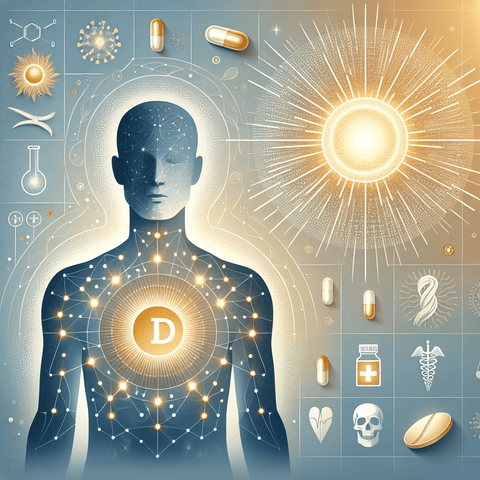
Vitamin D level recovery is the broad process of supporting a low vitamin D status back toward a healthier range. Vitamin D is a fat-soluble nutrient that contributes to normal bone, muscle, and immune function, and it is obtained through a mix of sun exposure, food, and supplements. Because vitamin D status depends on many individual factors, the recovery process is usually approached gradually and with professional guidance rather than as a single quick fix.
This page acts as a topical hub for the many questions people have about vitamin D level recovery. It introduces the main concepts—what low vitamin D means, why it can matter, and the general factors that influence vitamin D status—and points toward the more specific articles associated with this tag. For product-oriented browsing, you can also explore the vitamin D benefits, sources, and safety category.
What Vitamin D Level Recovery Means
Vitamin D is a nutrient that the body can produce in the skin when exposed to sunlight, and it can also be obtained from certain foods and supplements. When vitamin D status falls below a healthy range, healthcare professionals may describe this as low vitamin D or vitamin D deficiency, depending on the degree and the context. Vitamin D level recovery describes the general effort to bring those levels back toward a healthier range.
The term is broad by design. Recovery is not a uniform protocol, and the approach can differ depending on the underlying cause, how low the levels are, the person's overall health, and other individual factors. This is why vitamin D level recovery is usually discussed in the context of professional guidance rather than as a self-directed formula.
Understanding the general principles of vitamin D level recovery can help readers make more informed decisions, ask better questions during consultations, and interpret the many—sometimes conflicting—claims found online.
Why Vitamin D Status Can Be Relevant to General Health
Vitamin D contributes to the normal functioning of bones, muscles, and the immune system. Because of these roles, maintaining a healthy vitamin D status is generally considered relevant to overall wellbeing, particularly for people whose levels may be at risk of becoming low.
Some groups may be more likely to have lower vitamin D levels or to find it harder to maintain healthy levels. Broad factors often discussed include:
- Limited sun exposure due to lifestyle, season, or latitude.
- Darker skin tones, which may require more sun exposure to produce the same amount of vitamin D.
- Older age, which can affect vitamin D synthesis and metabolism.
- Higher body weight, which may influence how vitamin D is stored and used in the body.
- Certain dietary patterns that provide limited vitamin D from food.
This list is illustrative rather than exhaustive. Individual situations vary, and any concerns about vitamin D status are best discussed with a healthcare professional who can consider the full context.
The Main Factors That Influence Vitamin D Level Recovery
Vitamin D level recovery is generally shaped by several broad factors that work together. Understanding these factors can help clarify why there is no single approach to restoring vitamin D levels.
Sun Exposure
Sunlight is a natural route for vitamin D synthesis. The amount produced in the skin can depend on the time of day, season, latitude, skin tone, and how much skin is exposed. Because these variables change from person to person and from season to season, sun exposure alone may not always be sufficient to support vitamin D level recovery, and protecting the skin remains important. People with limited sun access or particular health considerations may benefit from discussing alternatives with a professional.
Dietary Sources
Vitamin D occurs naturally in a limited number of foods, including oily fish, egg yolks, and some fortified products such as certain dairy or plant-based alternatives. Diet contributes to overall vitamin D intake, but it can be difficult to reach higher intakes through food alone. Dietary sources are therefore often considered one part of a broader approach rather than a stand-alone solution.
Supplements
For some people, supplements may be one component of a plan to support vitamin D level recovery. Vitamin D supplements are available in different forms and dosages, and the appropriate choice depends on individual circumstances. Decisions about whether and how to use supplements are best made with a health professional who can provide guidance tailored to the person's situation. General information about supplements is not a substitute for personalised medical advice.
Testing and Monitoring
Tracking progress in vitamin D level recovery typically involves appropriate testing at intervals determined by a clinician or laboratory standards. Regular checks can show how the process is unfolding and whether adjustments may be needed. Because levels can take time to change, testing is usually spaced out rather than done frequently, and results are interpreted in the context of the overall plan.
Consistency and Follow-Up
Steady attention to the plan and periodic reassessment support vitamin D level recovery over time. If questions or concerns arise, reaching out to a qualified professional can help clarify next steps and how to tailor the approach to the individual situation.
How Vitamin D Level Recovery Connects to Nutrition and Supplement Choices
Vitamin D is one nutrient within a broader picture of dietary and lifestyle factors that support general health. Some people exploring vitamin D level recovery also look at related areas such as magnesium, calcium, or general multivitamin options, because these nutrients are sometimes discussed alongside vitamin D. Broad browsing categories can help readers explore these topics in more depth.
For example, you can review the multivitamins guide covering ingredients, usage, and safety or explore the magnesium category for energy, muscle, and bone support. These categories are provided for navigation and general information; they are not a substitute for personalised advice about vitamin D level recovery.
Practical Considerations for Readers Exploring This Topic
Because vitamin D level recovery is individual, general information can only go so far. The following considerations are broad and are not intended as personal recommendations.
- Seek professional guidance before making significant changes to supplements or sun exposure habits.
- Use appropriate testing, interpreted by a clinician, to understand your vitamin D status rather than relying on symptoms alone.
- Be cautious with online claims that promise rapid or guaranteed results.
- Remember that vitamin D status is influenced by many factors, and recovery usually takes time.
- If you have a medical condition or take medication, discuss vitamin D level recovery with your healthcare provider.
Exploring the Topic Further
This tag page provides a high-level map of vitamin D level recovery. The individual articles listed under this tag go deeper into specific questions—such as symptoms of low vitamin D, recovery timelines, dosage discussions, sun exposure tips, and food sources. By combining the broad overview here with those more focused articles, readers can build a fuller understanding of the topic while keeping the need for professional guidance in mind.
For a broader look at vitamin-related topics, you may also explore the natural supplements category.