Vitamine D Bronnen: De Ultieme Gids voor Zonlicht, Voedingsmiddelen & Supplementen


Vitamine D-bronnen vormen de kern van deze pagina, die een overzicht biedt dat zich richt op de term "vitamine D-bronnen". De Ultieme Gids voor Zonlicht, Voeding en Aanvullingen biedt een rondleiding door de belangrijkste manieren waarop dit voedingsstof wordt besproken, inclusief natuurlijke blootstelling, verrijkte producten en supplementen. Het doel is om een helder, neutraal beeld te geven van hoe mensen praten over vitamine D-bronnen en welke overwegingen daarbij komen kijken. Topbronnen worden in brede termen beschreven: zonlichtgerelateerde blootstelling als een natuurlijke transporter, verrijkte producten met toegevoegde voedingsstoffen en zelfstandige supplementen die voor verschillende situaties zijn ontworpen. Dit deel blijft neutraal en merkt op dat deze categorieën vaak worden genoemd in discussies over vitamine D-bronnen, zonder bepaalde items of doseringen te bevoordelen. De dagelijkse behoefte aan vitamine D varieert en hangt af van persoonlijke en omgevingsfactoren. Deze pagina geeft geen universele cijfers; in plaats daarvan wordt benadrukt dat de dagelijkse behoefte verschillend wordt geïnterpreteerd afhankelijk van de context. Lezers wordt aangeraden rekening te houden met lokale richtlijnen en persoonlijk advies in te winnen bij gekwalificeerde professionals bij het zoeken naar informatie over vitamine D-bronnen. Praktische tips om met vitamine D-bronnen om te gaan, richten zich op zorgvuldige evaluatie en veilig, geïnformeerd besluitvorming. Controleer de geloofwaardigheid van bronnen, bekijk eventuele veiligheidsinformatie of etikettering, en benader aanbevelingen met aandacht voor persoonlijke omstandigheden. Het doel is om lezers een gebalanceerd inzicht in vitamine D-bronnen te geven en hen aan te moedigen het onderwerp met helderheid en voorzichtigheid te benaderen.


Is it better to take vitamin D or vitamin D3? - Topvitamine
Mar 02, 2026
Vitamine D is een verzamelnaam voor verschillende vormen, waaronder D2 en D3. Voor supplementen wordt D3 meestal gekozen, omdat deze vorm doorgaans effectiever is in het verhogen en onderhouden van de vitamine-D-status. In dit artikel lees je welke verschillen belangrijk zijn, hoeveel factoren je dosering bepalen, hoe je opname ondersteunt en wanneer overleg met een zorgverlener verstandig is.
Which fruit is rich in vitamin D? - Topvitamine
Dec 09, 2025
Welke vrucht bevat vitamine D? Vrijwel geen enkel vers fruit levert van nature een betekenisvolle hoeveelheid. Verrijkt sinaasappelsap kan wel vitamine D bevatten. Voor voldoende inname zijn vooral vette vis, verrijkte voedingsmiddelen en UV-blootgestelde paddenstoelen relevant. Ook een vitamine D-supplement kan uitkomst bieden, afhankelijk van je voedingspatroon en persoonlijke situatie. Lees bovendien wat bekend is over sinaasappels, eczeem en diabetes.
What is the difference between Vitamin D and D3? - Topvitamine
Nov 22, 2025
Het verschil tussen vitamine D en D3 zit vooral in de benaming: vitamine D is de verzamelnaam, terwijl D3 cholecalciferol is. Naast D3 bestaat ook D2, een andere vorm van vitamine D. D3 wordt vaak gekozen omdat het de vitamine-D-spiegel doorgaans effectief verhoogt. Lees meer over bronnen, dosering, veiligheid en de keuze tussen capsules, druppels en veganistische D3.
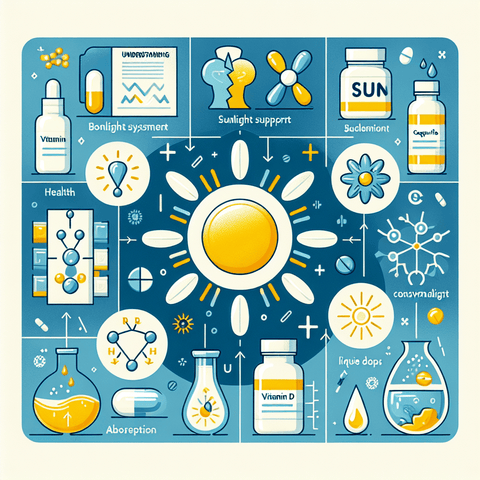
What's the difference between vitamin D3 and vitamin D? - Topvitamine
Oct 28, 2025
Vitamine D is een verzamelnaam voor verschillende vormen, waaronder vitamine D2 en vitamine D3. D3, oftewel cholecalciferol, wordt doorgaans efficiënter gebruikt om de vitamine-D-status op peil te houden. In dit artikel leest u wat vitamine D doet, welke voedingsmiddelen vitamine D bevatten, welke signalen bij een tekort kunnen passen en wanneer u voorzichtig moet zijn met supplementen of medicijnen zoals diltiazem.
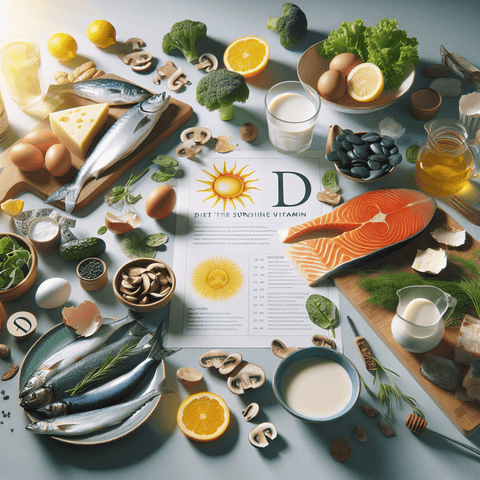
What are 10 foods rich in vitamin D? - Topvitamine
Oct 13, 2025
Voedingsmiddelen rijk aan vitamine D zijn vooral vette vis, eieren, UV-blootgestelde paddenstoelen en producten waaraan vitamine D is toegevoegd. In dit overzicht lees je welke bronnen praktisch zijn, wat verrijking betekent en waarin vitamine D2 en D3 verschillen. Ook bespreken we de rol van supplementen, aandachtspunten bij levertraan en wanneer overleg met een arts of diëtist verstandig is.

What is the difference between vitamin D and vitamin D3? - Topvitamine
Oct 12, 2025
Vitamine D is een verzamelnaam voor verschillende vormen, waaronder vitamine D2 en vitamine D3. D3 wordt doorgaans langer en efficiënter in het bloed opgenomen, waardoor het vaak de voorkeur krijgt in supplementen. In dit artikel lees je meer over het verschil, voedings- en zonlichtbronnen, de beste vorm vitamine D, algemene doseringsinformatie en belangrijke veiligheidsadviezen.

Vitamin D is one of the few nutrients the human body can produce itself, which makes the topic of vitamin D sources unusually interesting. Sunlight, food and supplements all play a part, and each works in a different way. This page provides a broad overview of the main vitamin D sources, the practical considerations attached to each one, and the context needed to make sense of the more specific articles associated with this tag.

Many people look into this topic because vitamin D intake varies widely between individuals. Diet, lifestyle, geographic location and the season all influence how much vitamin D a person is exposed to, and no single source suits everyone. Understanding the full map of options makes it easier to have an informed conversation with a healthcare professional about personal circumstances.

What Is Vitamin D?

Vitamin D is a fat-soluble nutrient that the body can make in the skin when it is exposed to ultraviolet B (UVB) rays in sunlight. For this reason it is often called the “sunshine vitamin”. It is also one of the most widely discussed nutrients in public health guidance, and it is frequently mentioned alongside calcium, as the two nutrients are commonly considered together in the context of bone health. Readers researching both nutrients can browse our calcium supplements category as a natural starting point.

Sunlight: The Natural Vitamin D Source

When UVB sunlight reaches the skin, the body begins the process that produces vitamin D. This is why sunlight is usually described as the primary natural source, and why vitamin D levels are often discussed in relation to season and geography. The amount of vitamin D the skin can produce is not fixed; it depends on a range of personal and environmental factors:

  • Season and time of year, with production generally lower during winter at higher latitudes
  • Time of day, as UVB intensity changes throughout the day
  • Latitude and local climate
  • Skin tone, which affects how skin responds to UVB exposure
  • Age, as vitamin D production in the skin is often described as changing over a lifetime
  • Time spent outdoors and how much skin is exposed
  • Use of sunscreen, clothing and shade, all of which limit the UVB that reaches the skin

Because these factors interact in complex ways, no universal amount of sun exposure can be recommended for vitamin D purposes. Skin-safety guidance should always take priority, since prolonged, unprotected exposure increases the risk of skin damage. Anyone trying to balance vitamin D production with skin protection is best served by following the sun-safety advice published by their national health authorities.

Food Sources of Vitamin D

Dietary vitamin D comes from two directions: foods that naturally contain the nutrient, and foods to which vitamin D has been added during manufacturing. Naturally rich sources are relatively limited compared with many other vitamins, which is one reason fortification exists and why vitamin D intake is a recurring theme in dietary guidance around the world.

Naturally Vitamin D-Rich Foods

The foods most commonly associated with natural vitamin D content include:

  • Oily fish such as salmon, mackerel, sardines and herring
  • Cod liver oil and other fish liver oils
  • Egg yolks
  • Liver and other organ meats
  • Certain mushrooms, particularly varieties grown or treated with ultraviolet light

The vitamin D content of these foods varies considerably depending on the species, farming method, season and preparation. Food composition tables and product labels are therefore the most reliable way to compare specific items.

Fortified Foods

In many countries, manufacturers add vitamin D to everyday staple products to help people increase their intake. Commonly fortified products include milk, plant-based drinks, yoghurt, margarine, spreads and breakfast cereals, although the exact list differs by country and brand. Because fortification is voluntary in many markets, two seemingly similar products can contain very different amounts, which makes label checking a useful habit for anyone relying on fortified foods as a regular vitamin D source.

Vitamin D Supplements

Supplements form the third broad source of vitamin D. They are available as standalone products, as part of multivitamin formulas and in combination products with other nutrients. The two main forms are vitamin D2 (ergocalciferol) and vitamin D3 (cholecalciferol), and products vary widely in strength and format. Anyone comparing options can explore our vitamin D supplements collection for an overview of the category, or browse our multivitamins range, as many multivitamin products include vitamin D among their ingredients.

Supplements are intended to complement, not replace, a varied diet and a balanced lifestyle. Labels, directions and formats differ between products, so reviewing the label and following the manufacturer's instructions is an important part of using any supplement sensibly.

Factors That Influence Vitamin D Needs

There is no single daily vitamin D intake that applies to everyone. Requirements are interpreted differently across countries and are shaped by personal circumstances. Factors that are commonly taken into account include:

  • Age and life stage
  • Body characteristics
  • Geographic location and seasonal sunlight availability
  • Typical time spent outdoors
  • Skin tone
  • Overall dietary pattern, including how often vitamin D-rich or fortified foods are eaten

National health authorities publish their own intake recommendations, and these can differ meaningfully from one country to another. For personal guidance, a doctor, pharmacist or registered dietitian can help interpret how these factors apply to an individual situation, including whether testing for vitamin D status is appropriate.

Safe and Sensible Use of Vitamin D Sources

Whichever sources you rely on, a few general habits support safe and informed decision-making:

  • Verify the credibility of any information source, including product labels and official guidance
  • Read supplement labels carefully, including ingredients, strength and usage directions
  • Check food labels when relying on fortified products, as amounts vary between brands
  • Be aware that supplements can interact with certain prescription medications

That last point deserves particular care. People who take prescription medication — including heart medicines such as diltiazem — are generally advised to speak with a doctor or pharmacist before adding a vitamin D supplement, because possible interactions are assessed on an individual basis. General educational pages like this one cannot replace that personalised advice. Anyone who suspects low vitamin D levels can also discuss testing with a healthcare professional rather than self-diagnosing a deficiency.

Frequently Asked Questions About Vitamin D Sources

Which foods are the highest in vitamin D?

Oily fish such as salmon, mackerel, sardines and herring are among the most commonly cited natural sources, alongside egg yolks, liver and UV-exposed mushrooms. Fortified products — including some milks, plant-based drinks, yoghurts, margarines and breakfast cereals — also contribute to intake in many countries. Exact values vary between products, so labels and official food composition data are the best reference points.

How can I raise my vitamin D levels naturally?

The natural levers are sensible time outdoors in line with local sun-safety guidance, plus eating more vitamin D-rich or fortified foods. How effective sunlight is depends on the personal and seasonal factors described above, which is one reason vitamin D is such a common topic in conversations with doctors. Anyone who suspects low levels should ask a healthcare professional about testing rather than adjusting sun exposure on their own.

Do I need a vitamin D supplement?

That depends on diet, lifestyle, location, season and personal circumstances. Some national authorities recommend vitamin D supplements for specific groups, such as during winter months or for people with limited sun exposure. A doctor, pharmacist or dietitian can help determine whether a supplement makes sense for you and, if so, which form and format to consider.

The articles associated with this tag explore individual aspects of vitamin D sources in more depth, from specific foods to seasonal considerations. Starting with the broad picture above makes it easier to place those detailed guides in context.