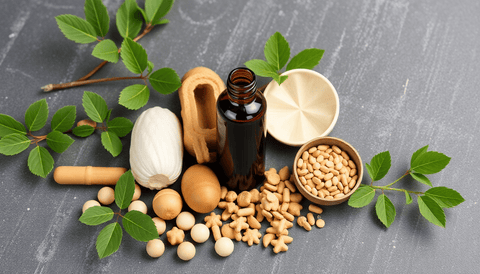
Vitamines voor Hormoongezondheid: 7 Essentiële Ingrediënten om Hormonen Natuurlijke te Balanceren


Ontgrendel evenwichtige hormonen met 7 essentiële vitaminen. Deze pagina richt zich op vitaminen voor hormoongezondheid en nodigt je uit om zeven kernvitaminen te verkennen die vaak worden besproken in verband met hormonale balans. In plaats van medisch advies te geven, is het doel om een duidelijk, neutraal kader te bieden voor het begrijpen van hoe deze vitaminen worden beschreven in gesprekken over welzijn. Door je te richten op de ideeën rondom vitaminen voor hormoongezondheid, kun je vertrouwd raken met gangbare termen en perspectieven zonder verwellingsvoorschriften te doen. Zeven essentiële vitaminen worden vaak beschreven als variërend van vetoplosbare tot wateroplosbare groepen, elk verbonden met verschillende rollen in de systemen van het lichaam. In discussies over hormonen komen deze vitaminen voor in een mix van contexten die verschillende biologische processen raken. Dit gedeelte presenteert eenvoudige definities en gebruikelijke overwegingen – geen garanties – zodat je kunt zien hoe het onderwerp wordt gepresenteerd in verschillende bronnen. Het doel is om lezers te helpen begrijpen hoe “vitaminen voor hormoongezondheid” wordt weergegeven in gesprekken zonder een specifiek resultaat te onderschrijven. Praktische tips om je stabieler, energiek en in balans te voelen, kunnen worden opgebouwd rond routines en bewustwording. Overweeg het vaststellen van een consistent dagelijks ritme, met regelmatige slaap- en waaktijden en een voorspelbare dagindeling. Zachte beweging, rustmomenten en strategieën om stress te beheersen, kunnen behulpzaam zijn vanuit een algemeen welzijnsperspectief. Blijf afgestemd op hoe je je voelt en noteer patronen in je dagelijkse energie en stemming; dit kan een duidelijker gevoel van ritme ondersteunen in lijn met het thema van vitaminen voor hormoongezondheid. Let op: deze inhoud is informatief en vormt geen medisch advies. Als je overweegt veranderingen aan te brengen in vitamines, supplementen of gezondheidsroutines, raadpleeg dan een gekwalificeerde professional. De taal hier richt zich op het concept van vitaminen voor hormoongezondheid en biedt praktische, niet-voorschrijvende ideeën voor het voelen van meer rust en in balans zijn.


Natural Ways to Support Hormone Balance with Supplements | Topvitamine - Topvitamine
Aug 19, 2025
Supplementen voor hormoonbalans kunnen nuttig zijn wanneer ze een vastgesteld tekort aanvullen, maar er bestaat geen universeel beste keuze. In dit artikel lees je welke rol vitamine D, B-vitaminen, magnesium, zink, selenium, omega 3 en probiotica kunnen spelen. Ook bespreken we mogelijke signalen van hormonale klachten, productkeuze, leefstijl en belangrijke voorzorgsmaatregelen bij medicijngebruik, zwangerschap of aanhoudende klachten.

The topic of vitamins for hormone health is both complex and widely discussed. While hormones act as chemical messengers influencing countless bodily functions, the nutrients we consume can play a significant role in supporting these systems. This guide serves as a broad introduction to the vitamins and minerals most frequently associated with hormonal balance. We'll explore why they matter, where to find them, and how to think about them within a holistic wellness routine. This is not a substitute for personalized medical advice, but a starting point for understanding the landscape.

What Does “Hormone Health” Mean?

Hormone health refers to the balanced functioning of the endocrine system—the collection of glands that produce and release hormones. These chemical messengers regulate everything from metabolism and growth to mood, sleep, and reproductive cycles. When this system is in balance, the body runs smoothly. An imbalance can manifest in various ways, including changes in energy levels, appetite, mood, and sleep patterns.

It's important to view hormone health not as a single goal, but as an ongoing process influenced by numerous factors. Your diet, stress levels, physical activity, sleep quality, and environment all contribute. While nutritional support is a key piece of the puzzle, it works best when combined with a comprehensive approach to overall well-being.

Core Vitamins and Minerals for Hormonal Support

Several nutrients are frequently discussed in the context of supporting balanced hormone function. These are not miracle cures, but rather foundational elements that help the body's systems operate correctly. Here are some of the most commonly mentioned ones:

  • Vitamin D3: Often called the “sunshine vitamin,” it’s involved in a wide range of bodily processes and is a common deficiency. It’s frequently studied for its role in overall wellness and hormonal signaling.
  • Magnesium: This mineral is a co-factor in hundreds of enzymatic reactions, including those related to energy production and nervous system function. It’s often discussed for its role in sleep and stress management.
  • Omega-3 Fatty Acids (EPA/DHA): These are essential fats that the body cannot produce on its own. They are known for their anti-inflammatory properties and are important for cell membrane health.
  • B-Complex Vitamins: This group of eight vitamins plays a vital role in energy metabolism and the production of neurotransmitters, which are crucial for mood regulation.
  • Zinc: A trace mineral that is essential for immune function and is also involved in hormone production and regulation.
  • Vitamin C: Known for its antioxidant properties, it also supports the adrenal glands, which produce hormones related to stress response.

These nutrients are best obtained from a varied diet rich in whole foods. However, many people consider a supplement to address potential gaps in their nutrition. For a deeper look at specific nutrients, you can explore our Vitamin D resources or our Magnesium guide for more detailed information.

Different Forms of Supplements

When considering supplements, you’ll notice that nutrients come in various forms. For example, magnesium can be found as glycinate, citrate, or threonate, each with potentially different absorption rates and uses. Similarly, Omega-3s are often sold as triglycerides or ethyl esters. The form of a nutrient can influence how well it is absorbed and tolerated. This is a good point to discuss with a healthcare professional or pharmacist to understand which form might be best for your specific needs.

Signs of Hormonal Imbalance

Recognizing the signs of a potential hormonal imbalance is the first step in addressing it. Symptoms can vary widely depending on the cause and which hormones are affected, but there are some common patterns to be aware of:

  • Unexplained fatigue or persistent low energy.
  • Mood swings, irritability, or persistent feelings of anxiety or depression.
  • Sleep disturbances, including difficulty falling or staying asleep.
  • Changes in appetite and unexplained weight gain or loss.
  • Digestive issues such as bloating, constipation, or diarrhea.

If you are experiencing several of these symptoms, it is crucial to speak with a doctor. They can perform the necessary tests to identify an imbalance and recommend an appropriate course of action. Self-diagnosing and self-treating can be risky, and it's important to rule out any underlying medical conditions.

Dietary Sources of Key Nutrients

Before looking at supplements, it’s always wise to consider food sources first. A balanced diet can often provide the essential vitamins and minerals your body needs for optimal hormone function. Here are some examples:

  • For Vitamin D3: Fatty fish like salmon and mackerel, egg yolks, and fortified foods. Sunlight is also a significant source.
  • For Magnesium: Leafy green vegetables, nuts and seeds (especially almonds and pumpkin seeds), and whole grains.
  • For Omega-3s: Fatty fish, flaxseeds, chia seeds, and walnuts.
  • For B-Complex Vitamins: Whole grains, eggs, meat, poultry, fish, and legumes.
  • For Zinc: Oysters, beef, poultry, beans, and nuts.
  • For Vitamin C: Citrus fruits, berries, and cruciferous vegetables like broccoli and Brussels sprouts.

Incorporating these foods into your daily meals is a foundational strategy for supporting your overall health. If you're unsure about your nutritional intake, a healthcare provider or a registered dietitian can offer guidance.

Supplement Considerations and Protocols

Supplements can be a useful addition to a healthy lifestyle, particularly when dietary intake is insufficient. However, they are not a magic bullet. The efficacy and safety of a supplement depend on its quality, dosage, and your individual health status. There is no “one-size-fits-all” protocol for hormone balance.

Choosing a Supplement

When choosing a supplement, look for products from reputable brands that undergo third-party testing for purity and potency. Be mindful of unnecessary additives and fillers. The form of the nutrient is also important; for example, high-quality omega-3s often come in the triglyceride form for better absorption. For additional guidance, you can review our Omega-3 supplement collection.

Building a Daily Routine

If you and your healthcare provider decide that supplements are appropriate, consistency is key. Supplements often take time to exert their effects, so it’s better to follow a regular daily routine rather than taking them sporadically. It can be helpful to integrate them into an existing habit, such as with a meal. Here’s a general, non-prescriptive idea of what a routine might look like:

  1. Start with a high-quality multivitamin to cover foundational nutrient gaps. Our multivitamin guide can help you understand what to look for.
  2. Consider a targeted supplement like Magnesium or Omega-3 if your diet is lacking or you have a specific concern.
  3. Re-evaluate your routine every six months to a year with your healthcare provider to ensure it’s still the right approach for you.

Lifestyle Factors to Support Hormone Health

Supplements and diet are only part of the equation. A holistic approach to hormone health also includes several key lifestyle factors:

  • Prioritize Sleep: Aim for 7-9 hours of quality sleep per night. A regular sleep schedule is crucial for hormone production and regulation.
  • Manage Stress: Chronic stress elevates cortisol, which can disrupt other hormones. Incorporate stress-reducing practices like meditation, deep breathing, or gentle yoga into your day.
  • Move Regularly: Engage in a mix of cardiovascular exercise and strength training. Exercise improves insulin sensitivity and helps regulate stress hormones.
  • Maintain a Balanced Diet: Focus on whole, unprocessed foods, healthy fats, and adequate protein. Avoid excessive sugar and refined carbohydrates.

Exploring the Topic Further

This guide provides a broad overview of the nutrients and habits that are commonly discussed in the context of hormone health. To delve deeper into specific areas, you can explore the related articles on this page. Topics such as the best vitamin for a specific hormonal imbalance, the 5 signs of an imbalance, or how to boost female hormones naturally are addressed in dedicated posts. We encourage you to read more and always consult with a qualified healthcare professional for advice tailored to your personal health situation.

For more information on individual nutrients, you might find these resources helpful: our guide on Vitamin C and its benefits and our overview of vital mineral supplements.