
Vitamines voor gewichtstoename zijn het onderwerp van deze pagina. Hier vindt u praktische, op wetenschap gebaseerde richtlijnen over hoe vitamines passen in een bredere gezondheidsplanning, met nadruk op zorgvuldige interpretatie van bewijs. De inhoud blijft neutraal en vermijdt onbewezen claims, terwijl wordt uiteengezet hoe u op een doordachte manier met vitamines voor gewichtstoename kunt omgaan. Verwacht tips over evaluatie, planning en veilig beslissingen nemen in plaats van productpromoties. Praktische tips voor vitamines voor gewichtstoename omvatten het beginnen met een basisbeoordeling van de huidige inname van vitaminen, het identificeren van tekorten en het raadplegen van geloofwaardige, op bewijs gebaseerde bronnen. Leer over verschillende vormen van vitamines, beschikbaarheid en hoe u productlabels kunt lezen. De nadruk ligt op kwaliteit, veiligheid en transparantie in plaats van het promoten van specifieke resultaten. Deze sectie ondersteunt geïnformeerde besluitvorming terwijl u opties verkent. Concepten voor maaltijdplanning voor vitamines voor gewichtstoename bieden een raamwerk voor het verdelen van de inname over de tijd en dagen. Gebruik een gestructureerd sjabloon om routines te organiseren, consistentie te monitoren en af te stemmen op professioneel advies dat u mogelijk hebt ontvangen. Het doel is een voorspelbaar patroon te creëren dat uw planningsproces ondersteunt, zonder garanties over de resultaten te claimen. Veilige supplementen voor vitamines voor gewichtstoename behandelen belangrijke overwegingen zoals de reguleringsstatus, tests door derden en de juiste dosering. Begrijp mogelijke interacties met medicijnen of bestaande aandoeningen, en weet wanneer u professioneel advies moet zoeken. De richtlijnen hier richten zich op veiligheid, kwaliteit en verantwoord gebruik, en houden u geïnformeerd in plaats van het beloven van specifieke effecten.
Vitamines voor Gewichtstoename: De Ultieme Gids om de Appetijt te Verhogen en Gezonde Spiermassa op te bouwen
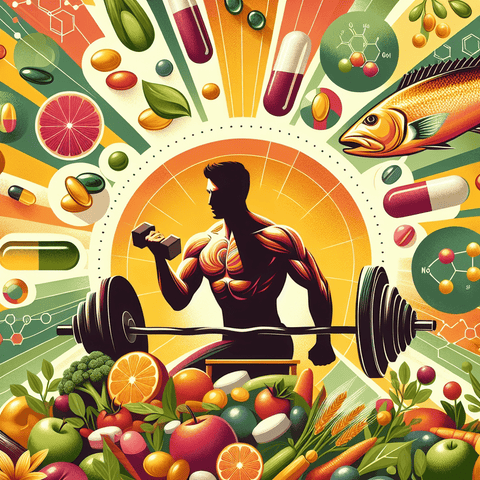
Vitamins for weight gain are often discussed as part of a broader strategy to increase body mass, but their role is more nuanced than simply 'causing' weight gain. Vitamins and minerals support normal energy metabolism, appetite regulation, and nutrient absorption — processes that influence how the body uses the food you eat. This tag page provides a high-level overview of the topic, introducing the main nutrients commonly mentioned, the difference between vitamin and calorie-based approaches, and general safety considerations. It is designed to help you understand the landscape before diving into more specific articles on individual nutrients, dosages, or meal plans.
What Are Vitamins for Weight Gain?
The phrase 'vitamins for weight gain' generally refers to micronutrients that may support normal metabolic and physiological functions relevant to gaining weight. It is important not to interpret this as a claim that any vitamin directly causes weight gain. Instead, certain vitamins and minerals are involved in energy-yielding metabolism, appetite signalling, and the absorption of other nutrients. When intake is inadequate, these processes may be less efficient. This page introduces the nutrients most often associated with weight gain discussions, while leaving detailed dosage and deficiency information to dedicated articles.
Key Vitamins and Minerals Commonly Discussed
Several vitamins and minerals appear frequently in weight gain contexts because of their general roles in the body. The list below is an overview, not a prescription, and individual needs vary.
- B-vitamins (B1, B3, B6, B12): Support normal energy-yielding metabolism and may be relevant when dietary intake is low.
- Vitamin A: Contributes to normal vision and immune function.
- Vitamin D: Plays a role in bone health and muscle function.
- Vitamin C: Supports collagen formation and antioxidant protection.
- Zinc: Involved in immune function and cell division.
- Iron: Necessary for oxygen transport in the blood.
Each of these nutrients has broader roles in the body, and their relevance to weight gain is indirect. For example, B-vitamins help convert food into energy, but they do not themselves provide calories. Similarly, zinc and iron support general health, but deficiency — not supplementation in replete individuals — is more clearly linked to appetite or energy issues. You can explore our vitamin B category for more detail on individual B-vitamins.
How Vitamins Fit Into a Weight Gain Strategy
Vitamins are not a substitute for adequate calories and protein. Weight gain fundamentally requires a positive energy balance — consuming more calories than the body uses — along with sufficient protein to support muscle growth if that is a goal. Vitamins and minerals support the metabolic machinery that turns food into usable energy and builds tissue, but they do not provide energy themselves. A practical approach therefore prioritises a nutrient-dense, calorie-adequate diet first, with supplements considered to fill specific gaps identified through dietary assessment or blood testing.
For readers comparing different product types, it can help to understand the distinction between vitamin supplements and protein or calorie-based weight gain products. Vitamin supplements are micronutrient-focused, while protein powders and mass gainers are macronutrient-focused. They serve different purposes and may be used together under appropriate guidance. Our sports supplements guide provides a broader overview of product categories that may be relevant to active individuals.
Food Sources and Supplement Forms
Most vitamins and minerals can be obtained from a varied diet. B-vitamins are found in whole grains, legumes, eggs, meat, and leafy greens. Vitamin A is present in liver, dairy, and orange-coloured vegetables. Vitamin D is synthesised in the skin from sunlight and found in oily fish and fortified foods. Vitamin C is abundant in citrus fruits, peppers, and berries. Zinc and iron are found in meat, shellfish, legumes, and seeds. When dietary intake is insufficient, supplement forms are available — for example, B12 as cyanocobalamin or methylcobalamin, vitamin D as D2 or D3, and iron as ferrous sulphate or bisglycinate. The choice of form can affect absorption and tolerability, and a healthcare professional can advise on suitability.
Safety and General Considerations
Vitamins and minerals are not risk-free, particularly when taken in high doses or in combination with medications. Some nutrients can accumulate in the body and cause adverse effects, while others may interact with prescription drugs. For example, vitamin K can interfere with anticoagulants, and high-dose vitamin A may be harmful in certain populations. Before starting any supplement, it is sensible to consult a doctor or dietitian, especially if you have a medical condition, are pregnant or breastfeeding, or are taking medication. This page provides general information only and is not a substitute for personalised medical advice.
Exploring Related Topics
The articles associated with this tag page explore specific questions in more depth, such as which vitamins may support appetite, how to approach weight gain over a short period, and how certain medications may influence weight. For a broader look at mineral supplements, including iron and zinc, you can browse our mineral supplements guide. Always interpret general information cautiously and seek professional guidance for your individual situation.