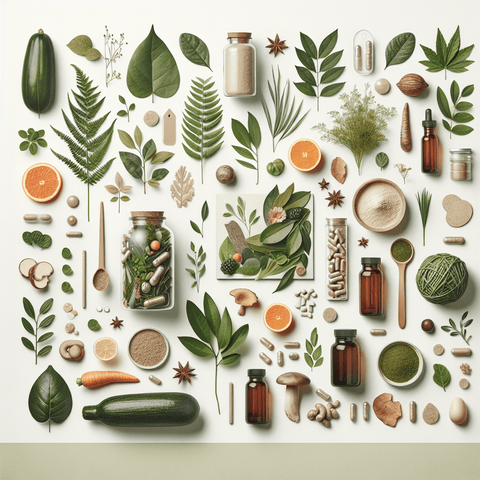
Whole-voedingssupplementen: Pure voeding voor alledaags welzijn


Ontdek hoe voedingssupplementen op basis van volle voedingsmiddelen pure, plantaardige voeding leveren voor dagelijks welzijn. In dit gedeelte vind je een overzicht van wat voedingssupplementen op basis van volle voedingsmiddelen zijn, met de nadruk op plantaardige ingrediënten die samengebracht zijn in een vorm die lijkt op hun natuurlijke samenstelling. De focus ligt op beschrijving en context—herkomst, verwerking en presentatie—en niet op claims over specifieke resultaten. Voedingssupplementen op basis van volle voedingsmiddelen halen hun ingrediënten uit diverse plantenbronnen—bladv Green, zaden en vruchten—en worden verwerkt tot poeders, capsules of tabletten. Het bereidingsproces is meestal gericht op het behoud van de plantstructuur en het minimaliseren van raffinage, met aandacht voor mengmethoden en etikettering. Het resultaat is een productcategorie die door veel mensen wordt herkend aan termen als “vol voedingsmiddel” of “plantaardig” op de verpakking. Het toevoegen van voedingssupplementen op basis van volle voedingsmiddelen aan je dagelijkse routine kan gecombineerd worden met eenvoudige, alledaagse gewoonten. Denk bijvoorbeeld aan het afstemmen van de inname op bestaande routines, zoals een ochtendritueel of een after-work gewoonte. Praktische tips die vaak besproken worden voor het behouden van een regelmatig dagelijks ritme zijn onder andere voldoende slaap, gehydrateerd blijven, daglicht krijgen en korte beweegpauzes nemen. Deze ideeën worden beschreven als praktische benaderingen voor het dagelijks leven en worden niet gepresenteerd als medisch advies. Hoe je voedingssupplementen op basis van volle voedingsmiddelen in je routine opneemt, hangt af van het lezen van ingrediëntenlijsten, inzicht in herkomst en het letten op certificeringen of kwaliteitsnormen. Deze pagina nodigt je uit om het concept te verkennen en na te denken over vragen die je mogelijk hebt over hoe deze producten passen binnen een plantaardig levensstijl. Als je persoonlijk advies op maat nodig hebt, kan een professional helpen bij het beoordelen van opties in relatie tot jouw persoonlijke situatie.


What supplements are considered natural? - Topvitamine
Oct 29, 2025
Natuurlijke supplementen komen bijvoorbeeld uit planten, hele voedingsmiddelen, mineralen of andere natuurlijke bronnen. De term betekent echter niet automatisch biologisch, beter opgenomen of veiliger. In dit artikel lees je hoe kruiden-, plantaardige, biologische en wholefood-supplementen van elkaar verschillen, hoe je een etiket beoordeelt en wanneer overleg met een arts of apotheker verstandig is.
What Are Whole Food Supplements? Benefits and How to Choose Them | Topvitamine - Topvitamine
Aug 28, 2025
Whole food-supplementen zijn voedingssupplementen met ingrediënten uit voedingsmiddelen, zoals groente, fruit, granen of algen. Ze kunnen naast vitaminen en mineralen ook andere bestanddelen uit de bron bevatten, maar zijn niet automatisch beter opneembaar of veiliger dan synthetische supplementen. In deze gids lees je wat het verschil is, wanneer een supplement kan passen en hoe je etiketten, vormen, doseringen en veiligheid beoordeelt.
Are Organic Supplements Worth the Price? Uncovering the Truth About Purity and Value - Topvitamine
Aug 27, 2025
Biologische supplementen kunnen aantrekkelijk zijn vanwege gecertificeerde ingrediënten, herkomst en duurzaamheidskeuzes, maar het biologische label garandeert niet automatisch een betere werking of veiligheid. In dit artikel lees je hoe biologische, natuurlijke, synthetische, niet-GMO en clean label supplementen van elkaar verschillen. Je krijgt praktische criteria om supplementen te vergelijken en ontdekt waarom dosering, samenstelling, onafhankelijke kwaliteitscontrole en jouw persoonlijke situatie vaak belangrijker zijn dan alleen de verpakking.
Why Nature’s Plus Whole-Food Multivitamins Are Best for Women’s Health | Topvitamine - Topvitamine
Jul 05, 2025
Een Nature’s Plus multivitamine voor vrouwen kan een praktische aanvulling zijn wanneer voeding niet voldoende voedingsstoffen levert, maar een whole-foodformule is niet automatisch beter dan een andere multivitamine. In deze gids lees je hoe je ingrediënten, doseringen, voedingsvorm, allergenen en kwaliteit beoordeelt. Ook bespreken we de invloed op de stoelgang, de vraag wat de gezondste multivitamine is en wanneer professioneel advies verstandig is.

Whole food supplements have become a popular choice for people seeking a more natural approach to nutrition. They offer a way to bridge the gap between what we eat and the nutrients our bodies need, all while staying close to the source—real plants. This guide provides a broad overview of what whole food supplements are, why they matter, and how to choose the right one for your needs. Whether you are new to the concept or looking to deepen your understanding, this resource will help you navigate the basics with confidence.

What Are Whole Food Supplements?

Whole food supplements are made by concentrating nutrients from whole foods, such as leafy greens, seeds, fruits, and vegetables. Unlike synthetic supplements that isolate specific vitamins or minerals, these products aim to retain the natural complexity of the food matrix. This means they often include a variety of co-factors, enzymes, and phytonutrients that work synergistically in the body.

The result is a supplement that is closer to what you would find in nature, making them an appealing option for those who prefer minimally processed nutrition. However, they are not a substitute for eating whole foods. Instead, they serve as a convenient addition to a balanced diet, helping to fill nutritional gaps without straying too far from the source.

Why Are Whole Food Supplements Popular?

The popularity of whole food supplements stems from a growing interest in natural health and wellness. Many people feel more comfortable putting nutrients derived from real food into their bodies rather than laboratory-created isolates. This preference is often driven by the belief that nutrients in their natural form are more easily recognized and utilized by the body.

Additionally, whole food supplements frequently contain a broader range of nutrients than single-ingredient synthetics. For example, a supplement made from spinach might provide vitamins, minerals, and antioxidants that naturally occur in that plant. This diversity can be particularly appealing to those looking for comprehensive nutritional support. Still, it is important to remember that supplements are meant to complement—not replace—a nutrient-dense diet.

Different Forms of Whole Food Supplements

Whole food supplements come in several forms, each with its own advantages. The most common forms include:

  • Powders: These can be mixed into smoothies, water, or other beverages. They are often highly concentrated and allow for flexible dosing.
  • Capsules: Easy to swallow and convenient for on-the-go use. Capsules provide a consistent dose in a portable form.
  • Tablets: A traditional format that is often compressed and may include additional binding agents. They are generally shelf-stable.

The best form depends on your lifestyle and preferences. Powders might be ideal for those who already make smoothies, while capsules offer simplicity and precision. Consider what is most convenient for your daily routine when making a choice.

Key Ingredients to Look For

When selecting a whole food supplement, the ingredient list is the most important aspect. High-quality products will clearly identify the whole foods used in their formulation. Look for recognizable ingredients like spinach, kale, broccoli, blueberries, or flaxseed. The more transparent the label, the more likely the product is truly made from whole foods.

Some supplements also include a blend of various plants to provide a wider spectrum of nutrients. This can be beneficial, but it is still essential to know exactly what you are consuming. Avoid products with overly vague descriptions like “proprietary blend” unless the individual ingredients are also listed and you are comfortable with them.

How to Choose a Quality Whole Food Supplement

Choosing a quality whole food supplement involves more than just picking a familiar brand. Here are some practical steps to guide your decision:

  1. Check the label for whole food sources: Ensure the ingredients are actual foods, not just isolated nutrients with “food base” added.
  2. Look for third-party testing: Certifications from independent organizations can verify the purity and potency of the product.
  3. Consider the form: Choose a format—powder, capsule, or tablet—that fits your lifestyle and is convenient for daily use.
  4. Consult a healthcare professional: If you have health conditions or take medications, speak with a doctor before adding a new supplement to your routine.

By following these steps, you can make a more informed choice and select a product that aligns with your nutritional needs and values. Remember, the goal is to supplement a healthy diet, not to replace it.

Whole Food Supplements and Specific Nutrients

Whole food supplements are available for a variety of nutrients, including vitamins, minerals, and antioxidants. For example, you can find whole food sources of vitamin C from acerola cherries, vitamin D from mushrooms, or omega-3 fatty acids from algae. These nutrient-specific whole food options provide an alternative to their synthetic counterparts.

When exploring these options, it is helpful to understand how they fit into your overall diet. For instance, someone looking to support their immune system might consider a whole food vitamin C supplement, while another person might seek a plant-based omega-3. The key is to match the supplement to your specific dietary needs and preferences.

You can explore our collection of natural supplements to see examples of products that align with this philosophy.

Common Questions About Whole Food Supplements

As whole food supplements become more popular, several questions frequently arise. Here, we address some of the most common inquiries to help clarify what these products can and cannot do.

What is the difference between whole food and synthetic supplements?

Whole food supplements are made from concentrated whole foods and retain the natural nutrient complex, including co-factors and phytonutrients. Synthetic supplements contain isolated nutrients created in a laboratory. Some studies suggest that nutrients from whole foods may be better absorbed and utilized by the body, though both forms can play a role in a balanced nutrition plan.

Are whole food supplements as good as eating actual whole foods?

While whole food supplements are a convenient way to increase nutrient intake, they are not a substitute for eating a variety of whole foods. Whole foods provide fiber, water, and other beneficial compounds that supplements cannot fully replicate. It is best to view supplements as a complement to a nutrient-rich diet, not a replacement for it.

Can whole food supplements cause side effects?

As with any dietary supplement, it is possible to experience side effects, especially if taken in large amounts. Whole food supplements are generally well tolerated because they contain nutrients in natural forms and amounts. However, individual reactions can vary. Starting with a lower dose and gradually increasing can help you assess your tolerance. Always consult a healthcare professional if you have concerns.

Exploring Related Supplement Categories

Whole food supplements are just one part of a broader landscape of natural health products. Understanding related categories can help you make more informed choices about your nutritional support. For example, you might be interested in multivitamins or mineral supplements to address specific nutritional gaps. Exploring these categories can provide a more complete picture of how to support your health through supplementation.

The Bottom Line

Whole food supplements offer a valuable option for those seeking nutrition closer to its natural source. They provide a convenient way to support dietary needs while maintaining a connection to real, whole foods. By understanding what they are, why they are popular, and how to choose them, you can make informed decisions that align with your health goals.

Remember, supplements work best when combined with a balanced diet and healthy lifestyle. Always consult with a healthcare professional before starting any new supplement, particularly if you have pre-existing health conditions or are taking medications. With the right approach, whole food supplements can be a valuable part of your wellness routine.