Counterfeit Supplements: How to Spot Fake Pills and Stay Safe


Understanding Counterfeit Supplements: A Growing Concern

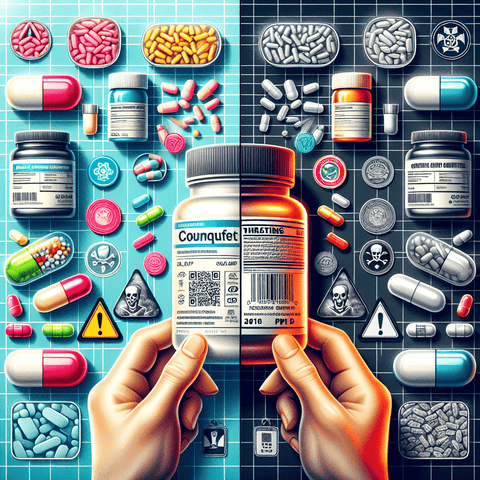
Counterfeit supplements pose a serious threat to consumer safety, as they often contain misleading ingredients and harmful contaminants. These products, which falsely claim to contain certain benefits or nutrients, can lead to significant health risks, including harmful side effects and interactions with medications. Recognizing how counterfeit supplements enter the market is crucial for consumer protection.

Identifying Fake Supplements

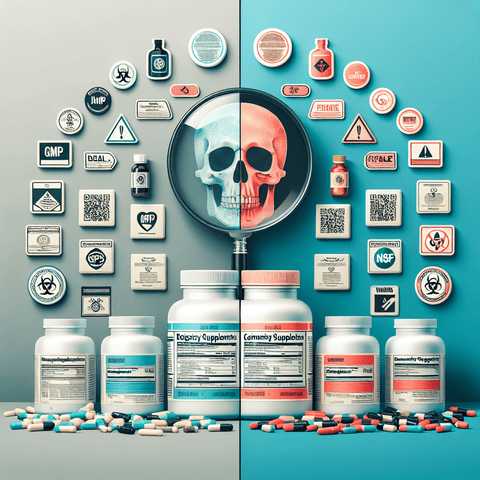
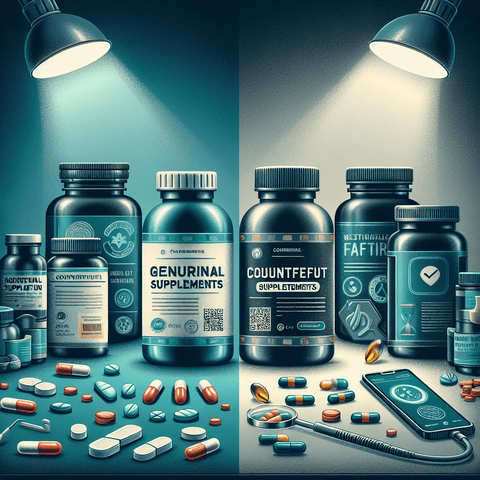
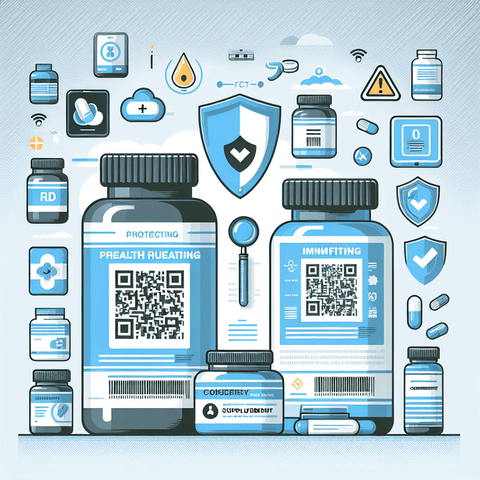
To ensure your health, it’s essential to verify supplement authenticity. Check for tamper-evident seals, batch numbers, and clear labeling. Examine the product's color, shape, and other physical cues. Always consider purchasing from reputable platforms like Topvitamine, which emphasizes quality assurance and vetted options.

Health Risks and Awareness

The risks linked to counterfeit supplements extend beyond financial loss, potentially exposing consumers to undisclosed pharmaceuticals or dangerous contaminants. By understanding the symptoms associated with counterfeit products—ranging from gastrointestinal distress to serious health complications—individuals can take proactive measures to protect their health.

Action Steps for Safe Supplementation

  • Verify sources: Choose brands that engage in third-party testing.
  • Monitor health: Report adverse effects to healthcare providers promptly.
  • Educate yourself: Learn more about safe supplementation practices and vitamin D benefits.

By remaining vigilant and informed, consumers can make safer supplement choices and minimize their risk of encountering counterfeit products.


How to Identify Counterfeit Supplements and Protect Your Health - Topvitamine
Aug 28, 2025
Learn how to spot counterfeit supplements, avoid health risks, and ensure you're getting safe, effective products with our expert tips and guide.
How to Identify Counterfeit Supplements and Avoid Online Scams - Topvitamine
Aug 28, 2025
Learn how to spot fake supplements and avoid online scams with our expert tips. Protect your health and money by identifying counterfeit products before you buy.
What are the risks of counterfeit supplements online and how can you avoid them? - Topvitamine
Aug 27, 2025
Concerned about fake supplements? Discover the hidden dangers of counterfeit supplements sold online and learn expert tips to safely identify and avoid them before making a purchase.
What are the Warning Signs of Counterfeit Supplements and How to Avoid Them - Topvitamine
Aug 27, 2025
Discover the key warning signs of counterfeit supplements and learn expert tips to avoid them. Protect your health and money with our essential guide.
How to Avoid Counterfeit Supplements: A Smart Shopper’s Guide - Topvitamine
Aug 26, 2025
Worried about fake supplements? Discover expert tips to spot and avoid counterfeit products with our smart shopper’s guide to safe and effective supplement buying.
How to Spot and Avoid Counterfeit Supplements: A Guide to Safe Purchases - Topvitamine
Aug 25, 2025
Learn how to identify and steer clear of counterfeit supplements with our comprehensive guide. Ensure your purchases are safe and effective.

Counterfeit supplements present a growing threat to consumer safety, as they can contain misleading ingredients and harmful contaminants. This article explores how to spot fake pills, understand the potential health risks associated with them, and make informed decisions when purchasing nutritional supplements. By recognizing key indicators of counterfeit products—such as packaging, labeling, and sourcing—we empower readers to protect their health. This guide combines awareness with actionable strategies for safer supplementation, leading to reliable choices on platforms like Topvitamine.

Introduction to counterfeit supplements and staying safe

Counterfeit supplements are an alarming issue in today's health market, affecting individuals who seek to enhance their well-being through nutritional products. The prevalence of fake pills can lead to significant health risks, including ingestion of harmful substances and misdosing, ultimately jeopardizing consumer safety. As a result, it is vital to equip oneself with knowledge on how counterfeit supplements enter the market, the signals they can trigger within our health, and the best practices for selecting safer options. This article will guide you through the complex landscape of counterfeit supplements, emphasizing the need for vigilant purchasing behaviors and informed decisions, culminating in practical steps for reliable shopping on Topvitamine.

Core explanation: what counterfeit supplements are and how they differ from legitimate products

Defining counterfeit supplements in today’s market

Counterfeit supplements are products that falsely claim to contain certain ingredients or benefits, often misbranding their contents or failing to disclose harmful contaminants. This includes products with undisclosed pharmaceuticals, false ingredients, or incorrect potency levels, categorized under counterfeit packaging. It is essential to distinguish these from mislabeled or substandard products that may not necessarily be counterfeit but might fail to meet strict quality standards.

Common formats and entry points for counterfeit pills

Counterfeit pills and supplements often appear in various formats, including tablets, capsules, powders, and liquids. They commonly enter the market through online sales, gray markets, or non-reputable retailers, often sold via online marketplaces or social media ads from unverified sellers. These platforms can make it all too easy for counterfeit products to reach unsuspecting consumers.

How counterfeit pills penetrate legitimate channels

The infiltration of counterfeit supplements into legitimate supply chains is exacerbated by gaps in quality control and rigorous supplier verification. Factors such as poor packaging replication or the reuse of batch numbers further complicate matters. The high demand for supplements can create pressure on prices, leading manufacturers to source from unreliable suppliers, resulting in red flags such as vague supplier information, inconsistent product photographs, and suspicious discount offers.

How to verify authenticity (practical cues)

When assessing the authenticity of a supplement, several practical cues can help you verify its legitimacy. Look for:

  • Packaging cues: Check for tamper-evident seals, batch or lot numbers, and shelf-life dates.
  • Label fidelity: Review the ingredient list, serving sizes, and health claims for accuracy.
  • Physical product cues: Note the color, shape, and imprint codes of pills, alongside scent and taste where safe to test.
  • Documentation: Request certificates of analysis (COAs), third-party testing validations, or information directly from manufacturers.

Why this topic matters for health and safety

Public health and safety risks

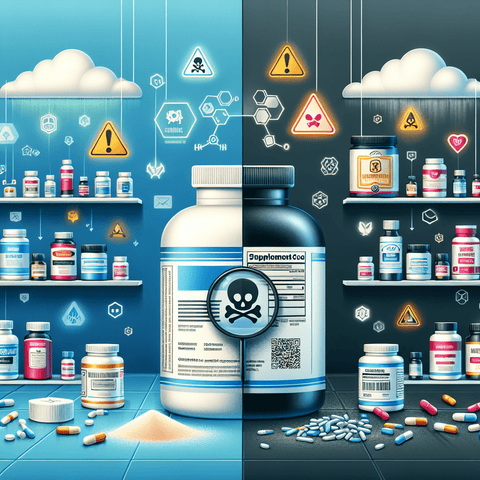
The risks associated with counterfeit supplements extend beyond mere financial loss; consumers may face exposure to dangerous contaminants, undisclosed pharmaceuticals, or intolerable excipients. Furthermore, incorrect dosages can lead to adverse interactions with medications, increasing the likelihood of serious health consequences.

Regulatory and quality-control challenges

The regulatory landscape regarding supplements varies significantly by country, which contributes to the difficulty in effectively policing counterfeit products. Gaps in quality control mean that counterfeit items often slip through systems designed to protect consumers and legitimate brands, leading to widespread trust issues within the supplement industry.

Economic and trust implications

The proliferation of counterfeit supplements can lead to significant economic repercussions and a decline in trust among consumers in the supplement industry. It can heighten health care costs and undermine the credibility of legitimate brands striving to provide safe products.

Related symptoms, signals, or health implications

Immediate and short-term symptoms after exposure

Consumers exposed to counterfeit supplements may experience immediate and short-term symptoms, including gastrointestinal distress, headaches, dizziness, and allergic reactions. Unexpected stimulant effects may also occur, outlining the dangers associated with counterfeit products.

Longer-term and serious health signals

Long-term exposure to counterfeit supplements can manifest as serious health issues. These can include the accumulation of heavy metals or toxins in the body or adverse interactions with prescription medications, especially for individuals with existing health conditions.

Signals of adulteration or uncertain quality

Indicators of product adulteration or uncertain quality encompass inconsistent potency levels, absent ingredients, or excess or deficient dosages. Consumers should also be vigilant for sudden changes in product appearance, odor, or texture that occur between different batches.

Individual variability in response

Individual variability plays a crucial role in how supplements affect health. Personal factors such as age, genetics, metabolism, and existing health conditions can influence symptom presentation. Understanding these variances is vital for assessing potential risks when taking supplements.

Individual variability and uncertainty in supplement effects

Genetic and metabolic differences

Genetic variability contributes to differences in metabolism, affecting how a person absorbs nutrients and how effective supplements may be for individual health goals.

Health status and medication interactions

Certain health conditions or medications can alter the safety and efficacy of supplements. For example, individuals diagnosed with thyroid disorders may experience adverse effects when taking iodine supplements.

Age and life stage considerations

Age and life stages compound variability in response to supplements. Pregnant women, lactating mothers, elderly populations, and children may require special consideration for supplement usage to ensure safety.

Why symptoms alone do not reveal the root cause

Diagnostic ambiguity in symptom-based assessment

Symptoms associated with counterfeit supplements often overlap with various health issues, making it challenging to pinpoint them as the definitive cause of discomfort or illness. This ambiguity underscores the need for thorough verification and investigation.

The need for root-cause investigation

To ascertain the root cause of health issues, it is essential to conduct a comprehensive assessment that includes reviewing symptoms, product authenticity, and individual medical history. This helps to differentiate genuine health problems from reactions to counterfeit supplements.

The value of a methodical approach

Adopting a structured reasoning approach in illness assessment is beneficial. Start by ruling out known medical conditions, then evaluate product authenticity, and consider nutritional support as a follow-up.

The role of nutritional supplements in this topic

Distinguishing counterfeit risk from legitimate use

Acknowledge that high-quality, evidence-based supplements can be part of a safety plan when chosen carefully. Counterfeit risks can be significantly minimized by prioritizing legitimate products from reputable sources.

How legitimate supplements can support safety and well-being

High-quality supplements can help fill dietary gaps and provide beneficial nutrients as needed. This is particularly important in supporting health through standardized dosages and quality-controlled formulations.

Limits and cautions

It is crucial to remember that supplements should not be viewed as a universal solution. Their use should be supported by evidence-based needs and medical guidance, ensuring safety and appropriateness in individual cases.

How nutritional supplements could support in practice

Practical selection criteria for safer options

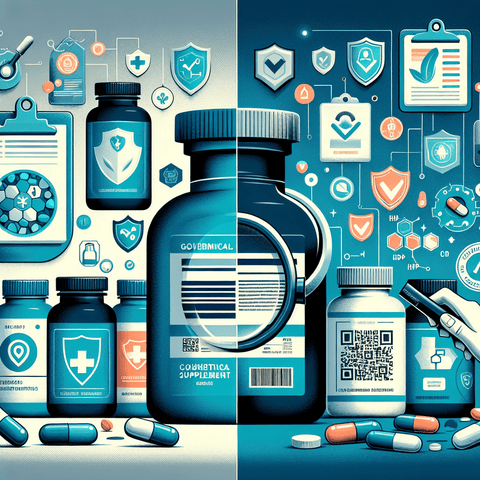
To choose safer supplements, prioritize brands that engage in third-party testing, such as those certified by USP, NSF, or Informed-Choice. Assess labeling transparency, clear ingredient lists, and robust manufacturing information before purchasing.

Packaging and verification best practices

Check for tamper-evident seals, batch or lot numbers, expiration dates, and utilize provided QR codes or traceability systems for product verification. Always request COAs to confirm potency and purity of the supplements.

Safe usage guidelines

Begin with medically advised dosages and closely monitor any body responses. Report adverse effects to healthcare providers promptly, and avoid mixing multiple supplements whose sourcing is unclear.

The value of reputable retailers and platforms

Purchasing through trusted channels significantly reduces the likelihood of encountering counterfeit products. Platforms like Topvitamine emphasize quality assurance and vetted options, supporting safer shopping experiences.

Decision-support section: when nutritional supplements make sense

A practical decision checklist

To make informed decisions when considering nutritional supplements, follow this checklist:

  • Confirm a genuine need, such as documented dietary deficiencies or clinician recommendations.
  • Verify the source, checking for third-party testing and reputable retailers.
  • Assess potential risks associated with interactions, existing health conditions, or medications.
  • Consider dietary improvements or fortified foods as alternatives before opting for supplements.
  • Establish a monitoring plan to track symptoms, adverse effects, and reassess product authenticity if any issues arise.

When to seek professional input

Consult a healthcare professional when there are persistent adverse symptoms, unexpected drug interactions, or when contemplating starting or continuing supplements, especially if you fall into a high-risk category.

Shopping guidance aligned with safety and trust

Evaluate brands, product pages, and customer reviews rigorously. Be cautious not to allow hype to overshadow factual evidence. Platforms like Topvitamine can enhance informed choices through their curated and quality-assured options.

Conclusion: connecting vigilance about counterfeit supplements to buying safe options on Topvitamine.com

Key takeaways and action steps

  • Identify counterfeit supplements by monitoring packaging, labeling, and sourcing cues.
  • Implement a structured decision-making process: verify authenticity, assess health needs, and consult professionals as needed.
  • Prioritize evidence-based, third-party-tested products and reputable retailers for supplement purchases.

How to shop for vetted supplements on Topvitamine

Focus on products that display third-party testing seals, clear COAs, batch tracking, and expiration dates. Favor brands with transparency in manufacturing practices and robust quality controls. Utilize Topvitamine’s curated catalog to minimize exposure to counterfeit or substandard supplements.

Final call to action

Take control of your supplement safety by utilizing verified products from Topvitamine. Apply the spotting and verification framework outlined in this article to make informed supplement choices that prioritize your health.

Key Insights

  • Counterfeit supplements pose significant health risks, making awareness critical.
  • Recognizing key warning signs helps in distinguishing fake supplements from genuine products.
  • Regular monitoring and communication with healthcare providers can prevent adverse health effects.
  • Choosing reputable sellers and platforms is crucial for minimizing exposure to counterfeit products.
  • Individual variability impacts the effectiveness and safety of supplements.
  • Evidence-based supplementation can help fill nutritional gaps but requires informed decision-making.

Frequently Asked Questions (Q&A)

1. What are counterfeit supplements?

Counterfeit supplements are products that misrepresent their ingredients, benefits, or manufacturing processes. They may contain harmful contaminants or incorrect dosages, posing health risks to consumers.

2. How can I identify fake supplements?

Look for tamper-evident seals, batch numbers, clear labeling, and trusted certifications. Additionally, review the seller’s reputation and customer feedback before purchasing supplements.

3. What are the health risks associated with counterfeit supplements?

The risks can include exposure to harmful substances, incorrect dosages, and unexpected drug interactions, leading to serious health complications.

4. Why are counterfeit supplements able to enter the market?

Counterfeit supplements often exploit gaps in regulatory oversight and quality control within the supply chain, amplified by high demand and price pressures in the market.

5. Can I trust supplements from online marketplaces?

Supplements from online marketplaces should be approached with caution. Always verify the seller, check for reliable certifications, and read customer reviews before making purchases.

6. What should I do if I experience symptoms after taking a supplement?

Stop taking the supplement immediately and consult a healthcare provider to discuss your symptoms, especially if you suspect it may be related to counterfeit or substandard products.

7. Are there specific populations at higher risk when it comes to counterfeit supplements?

Yes, populations such as pregnant women, children, the elderly, and individuals with preexisting health conditions may face greater risks when consuming counterfeit products.

8. How can I ensure that I am buying safe supplements?

Prioritize brands that engage in third-party testing, offer clear ingredient lists, and provide transparent manufacturing information. Buying from reputable retailers further reduces risks.

9. What should I do if I suspect a supplement is counterfeit?

If you suspect a product is counterfeit, report it to the retailer and your local health authorities for further investigation. Consider consulting a healthcare professional for advice.

10. Are all supplements safe to take?

No, not all supplements are safe. It is essential to select high-quality, evidence-based products and consult a healthcare provider for personalized recommendations.

11. How can I find out about the quality of a supplement?

Research the brand’s reputation, check for third-party testing certifications, and request certificates of analysis that confirm the supplement's potency and purity.

12. Where can I learn more about safe supplement shopping?

Visit platforms like Topvitamine for comprehensive guides on buying safe supplements and understanding how to spot counterfeit products while shopping.

Keywords

  • counterfeit supplements
  • fake pills
  • health risks of counterfeit supplements
  • supplement authenticity
  • nutritional supplements safety
  • third-party testing supplements
  • how to spot fake vitamins
  • safe online supplement shopping
  • recognizing counterfeit vs genuine products