
News
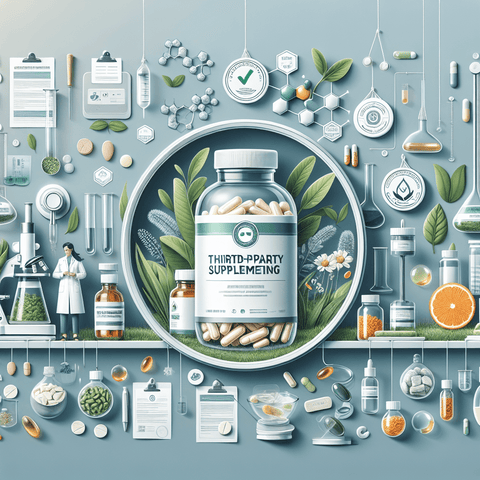
Certified Supplement Quality: What It Means and Why It MattersCertified supplement quality means a product has been independently verified by an accredited third-party organization to meet specific standards for safety, purity, and accuracy. This verification typically includes checking that the ingredients listed on the label match what is actually in the product, screening for contaminants like heavy metals or microbes, and assessing the manufacturer's production practices. Unlike in-house testing, third-party certification offers unbiased assurance that you are getting exactly what you pay for—nothing more, nothing less. This is essential because low-quality supplements may contain inaccurate doses, undeclared allergens, or harmful substances.Comparing Certification Programs: USP, NSF, and ConsumerLabSeveral recognized certification programs help consumers identify reliable supplements. The USP Verified Mark confirms that a product meets standards for identity, strength, quality, and purity. NSF International offers certifications for contaminants and banned substances, with its NSF Certified for Sport program specifically tailored for athletes. ConsumerLab independently tests supplements and publishes detailed reports for consumer transparency. No single certification is universally "best"; the right choice depends on your needs. For general quality assurance, USP is excellent; for athletic compliance, NSF Sport is ideal; and for in-depth consumer data, ConsumerLab is useful.How to Verify Supplement Quality: A Practical ChecklistTo verify supplement quality, start by looking for third-party certification logos on the label, such as USP Verified, NSF Certified, or ConsumerLab approved. Next, check for a Certificate of Analysis (COA) from the manufacturer, which details test results for potency and purity. Review the ingredient list for full transparency, including inactive ingredients and potential allergens. Confirm that the supplement is produced in a GMP-compliant facility, indicating good manufacturing practices. Also, check the expiration date and storage instructions to maintain potency. Finally, research the brand's reputation and whether they publish lab reports, and consult a healthcare professional if you have specific health concerns.

Do PMS and Menopause Supplements Work?Many women turn to supplements for relief from PMS and menopause symptoms, but the evidence behind them varies. For menopause, black cohosh and soy isoflavones show the most supportive research for easing hot flashes and supporting mood. For PMS, some supplements may offer mild benefits, but the evidence remains mixed. It's important to view supplements as one part of a broader approach that includes diet, exercise, and stress management.Comparing Supplements to Hormone TherapyHormone therapy (HRT) remains the most effective treatment for moderate to severe menopause symptoms like hot flashes and bone loss. Supplements generally provide mild to moderate relief and are best suited for women with mild symptoms or those seeking a natural complement to lifestyle changes. HRT requires a prescription and carries specific risks that must be discussed with a doctor, while supplements have milder side effects but can vary in quality and interact with medications.Choosing Quality Supplements SafelyTo choose a quality supplement, look for third-party testing (USP or NSF), standardized extracts for herbs like black cohosh, and label dosages that match clinical studies. Avoid proprietary blends that hide ingredient amounts. Always consult your healthcare provider before starting any supplement, especially if you take medications or have underlying health conditions. Supplements can be a valuable part of a holistic wellness plan, but they are not a substitute for professional medical advice.
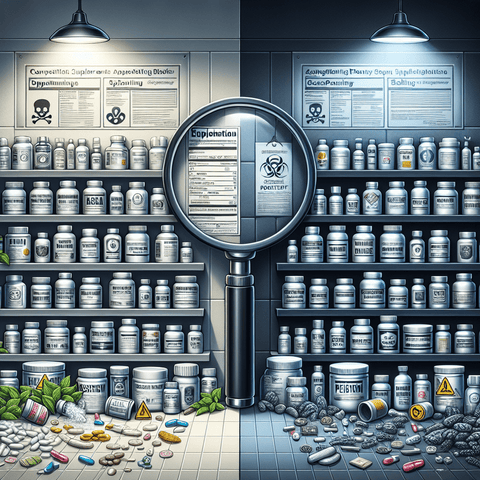
How to Spot Counterfeit SupplementsCounterfeit supplements are fake products designed to imitate trusted brands. They often contain incorrect ingredients, hidden pharmaceuticals, heavy metals, or microbial contaminants, posing serious health risks. Learning how to spot counterfeit supplements is essential for anyone who uses vitamins, minerals, or other dietary supplements. This guide provides a clear, actionable approach to identifying fake supplements before they affect your health.Practical Verification ChecklistUse this checklist to perform a supplement authenticity check: inspect packaging for errors or tampering, verify the label includes a batch number and expiration date, buy from official brand websites or authorized retailers, validate batch numbers with the manufacturer, look for third-party certifications like GMP or NSF, scan QR codes or check holographic seals, request a Certificate of Analysis from independent labs, examine the product for uniform appearance, avoid outlandish health claims, and question prices that seem too good to be true.What to Do If You Suspect a Fake SupplementIf you suspect a product is counterfeit, stop using it immediately. Document the evidence with clear photos of the packaging, label, and product. Contact the seller and the brand's customer service to report your concerns. You may also consider reporting the issue to consumer protection or public health authorities. Prioritizing authenticity helps safeguard your health and ensures you receive the quality you expect.

How Supplements Affect Blood Test ResultsMany supplements can influence blood test outcomes in two ways: by directly altering your body's biomarker levels or by interfering with laboratory assay technology. For example, high-dose biotin is known to disrupt immunoassays used for thyroid and hormone panels, while taking vitamin B12 shortly before a test can elevate serum B12 levels and mask a true deficiency. Understanding these interactions is essential for reliable diagnostics.What to Stop Before Blood WorkTo safeguard accuracy, temporarily pause certain supplements 24 to 72 hours before your appointment. High-dose biotin should be stopped at least 72 hours prior, while high-dose vitamins A and E, herbal extracts like garlic and turmeric, and fish oil are typically paused 48 hours before testing. Iron supplements are usually held for 24 hours unless your doctor instructs otherwise. Always follow your healthcare provider's specific guidance.How Blood Tests Guide Supplement UseBlood tests can help identify nutrient deficiencies and guide supplementation. Standard panels include vitamin D 25-hydroxy for bone health and immunity, serum B12 and folate for energy, and a complete blood count (CBC) for anemia. A comprehensive metabolic panel and lipid panel assess metabolic and cardiovascular health. Discuss your symptoms with your doctor to determine the right tests for your needs.

Why Supplements Can Cause Stomach CrampsStomach cramps after taking supplements are a common complaint, often caused by specific nutrients, high doses, or poorly tolerated forms. Iron, especially ferrous sulfate, is known for causing constipation and sharp cramps. Magnesium oxide can draw water into the intestines, leading to diarrhea and cramping. High-dose vitamin C (ascorbic acid) is acidic and may irritate the stomach lining. Calcium carbonate can be constipating, and multivitamins with multiple minerals or high-potency B-vitamins may trigger nausea and cramps, especially on an empty stomach. Fat-soluble vitamins in oily gel caps can also cause indigestion in some people.How to Prevent Stomach Cramps from SupplementsTo prevent stomach cramps from supplements, start by taking them with a substantial meal that contains healthy fat and fiber. Lower the dose if you are sensitive, and split larger doses throughout the day. Switch to a gentler formulation, such as ferrous bisglycinate for iron, magnesium glycinate for magnesium, or buffered vitamin C. Avoid taking harsh minerals like iron and calcium together. Separate supplements from medications by at least two hours unless your doctor advises otherwise. Stay hydrated and eat enough fiber to support regular digestion. If symptoms persist, pause the supplement for a few days and reintroduce it at a lower dose with food.When to Seek Medical Advice for Supplement-Related Stomach PainConsult a healthcare professional if you experience severe or worsening symptoms, blood in your stool or vomit, unexplained weight loss, or if you suspect a medication interaction. People with pre-existing conditions such as liver disease, kidney issues, or active ulcers should speak with their doctor before starting any supplement regimen. Most stomach pain from supplements resolves within a few hours to a day after stopping the culprit, but persistent discomfort warrants medical evaluation.

Mineral supplements provide concentrated essential minerals like calcium, magnesium, iron, zinc, potassium, selenium, and iodine to support a balanced diet. This guide explains their functions, food sources, whole-food versus synthetic forms, and how to choose quality products. Learn about bioavailability, dosage, safety, and interactions. Understand when supplements may help fill dietary gaps and why professional guidance is important for deficiencies or medication use.