
News
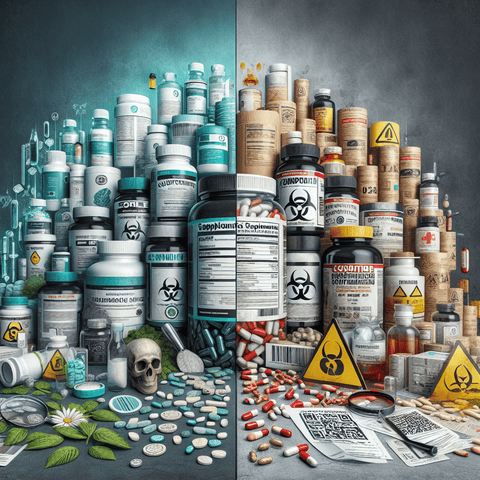
Why You Need to Spot Fake SupplementsCounterfeit supplements are fake products made to look like legitimate brands. They may contain wrong ingredients, incorrect doses, or harmful contaminants. Learning to spot fake supplements helps you avoid these risks and choose safer, more effective products. This guide explains how to verify authenticity using simple checks.How to Check Supplement AuthenticityStart by examining the packaging for quality and printing. Look for a clear batch number and expiration date printed directly on the label. Check for third-party seals like USP, NSF, or Informed Sport. Scan any QR code to verify it leads to the brand's official site. Always buy from official websites or authorized retailers and inspect the product on arrival.Recognize Supplement Scams and Stay SafeBe cautious of deep discounts, exaggerated claims, or vague labels. A legitimate supplement company will provide contact information, follow good manufacturing practices, and list authorized retailers. By combining product checks with smart shopping habits, you can reduce the risk of counterfeit vitamins and protect your health.
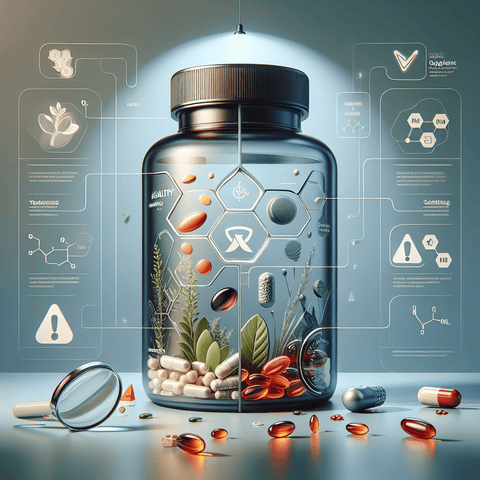
How to Tell if a Supplement Is Safe: Start with a ChecklistDietary supplements are not pre-approved by regulators before they reach the market, so knowing how to tell if a supplement is safe is largely your responsibility as a consumer. Start with a clear checklist: full ingredient disclosure, exact amounts per serving, third-party certification, GMP compliance, a Certificate of Analysis, clinically appropriate dosing, transparent sourcing, clean additives, and honest health claims. These factors help you evaluate both quality and safety before you buy.Key Criteria for Supplement Quality and SafetyVerify quality by looking for seals from independent labs such as NSF International, USP, or Informed-Choice. Check that the product is made in a GMP-certified facility, and request a Certificate of Analysis to confirm purity and label accuracy. Pay attention to safety considerations like drug-supplement interactions, vulnerable groups, and potential side effects. Scrutinize labels for harmful additives like titanium dioxide, artificial dyes, hydrogenated oils, and unnecessary fillers. Clean labeling means every ingredient is listed in a specific form and exact amount, without vague proprietary blends.Evaluating Effectiveness and Your Action PlanEffectiveness depends on human clinical evidence, clinically studied dosages, and consistent purity batch to batch. Look for ingredients backed by studies and amounts that match research. Apply your checklist in practice: research the brand, read the full label, and consult a healthcare professional if you are pregnant, breastfeeding, take medications, or have a chronic condition. Following these steps helps you choose supplements that are both safe and worth taking.

Understanding Supplement Side EffectsSupplements are bioactive substances that can cause side effects ranging from mild digestive upset to serious reactions such as liver toxicity or allergic responses. The likelihood and severity of side effects depend on dosage, individual health status, and potential interactions with medications. Recognizing common warning signs helps you respond appropriately and use supplements more safely.Recognizing Red Flags and Risk FactorsSerious side effects require immediate attention. Red flags include jaundice, severe abdominal pain, irregular heartbeat, difficulty breathing, or unexplained bleeding. Certain groups face higher risks, including older adults, pregnant women, and people with liver or kidney disease. Always follow dosage guidance and consult a healthcare provider if you have underlying conditions or take medications.Practical Safety Measures and InteractionsTo minimize risks, start with low doses, keep a supplement journal, and isolate new products to track reactions. Be aware that supplements can interact with prescription drugs and affect lab test results. If you experience persistent or severe symptoms, stop the supplement and seek medical care. For daily use, professional guidance helps ensure your routine aligns with your health needs.

Adaptogens for hormone balance: what they are and how they helpAdaptogens are botanicals that help the body adapt to stress, which is a major disruptor of hormonal harmony. By supporting the HPA axis—the body’s central stress-response system—adaptogens indirectly promote a more stable hormonal environment. They do not supply hormones directly but help modulate stress hormones like cortisol, creating a foundation for balanced endocrine function.Choosing the best adaptogen for your hormonal needsThe best adaptogen depends on your primary concern. Ashwagandha is known for cortisol and stress support, rhodiola for fatigue and mental clarity, maca root for libido and stamina, holy basil for overall resilience, and schisandra for liver and stamina support. Each adaptogen offers distinct benefits, so consider your specific symptoms when choosing. Pairing adaptogens with essential nutrients like vitamin D, magnesium, zinc, and B vitamins can further support hormone health.How to use adaptogens safely for hormone balanceWhile generally safe, adaptogens are not for everyone. Pregnant or breastfeeding individuals, those with autoimmune conditions, or people taking certain medications should consult a healthcare provider before use. Adaptogens work best alongside a healthy lifestyle—balanced nutrition, stress management, quality sleep, and regular movement. Each supplement should be used cautiously, and professional guidance is essential if you have a medical condition or take prescription drugs.
Understanding Harmful Supplement FillersMany supplements contain inactive ingredients like fillers, binders, and coatings that serve manufacturing purposes. While some are harmless, others such as titanium dioxide, artificial colors, and talc have raised safety concerns. This guide explains which harmful supplement fillers to watch for, why they are used, and how to identify them on the label so you can make more informed choices for your health.Common Harmful Fillers to AvoidKey fillers to be cautious about include magnesium stearate, which may interfere with nutrient absorption in high amounts; titanium dioxide, a whitening agent classified as a possible carcinogen when inhaled; silicon dioxide, considered low-risk but best avoided in synthetic forms; microcrystalline cellulose, which may cause digestive discomfort in sensitive individuals; artificial colors linked to hyperactivity in children; and talc, which has contamination concerns. Not all fillers are bad, but these warrant attention.How to Choose Cleaner SupplementsReading the "Other Ingredients" list on the Supplement Facts panel is your best defense. Avoid vague terms like "proprietary blend" and look for third-party certifications such as USP or NSF. Reputable brands are transparent about their ingredients and sourcing. By learning to spot harmful supplement fillers, you can prioritize products with minimal, clearly disclosed additives and feel confident in your supplement choices.
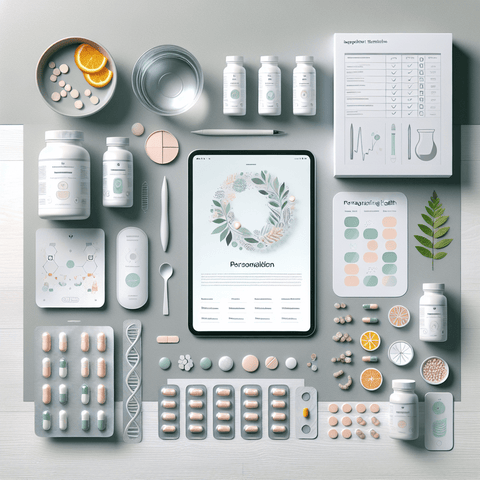
How Does a Personalized Vitamin Subscription Work?Personalized vitamin subscription services provide a convenient way to receive supplements tailored to your health profile. You start by completing an online health assessment that covers your diet, lifestyle, and wellness goals. An algorithm analyzes your answers to identify potential nutrient gaps and recommends a custom blend of supplements. The service then sources high-quality ingredients, often with third-party testing, and packages them into daily-dose packs delivered monthly. You can adjust, pause, or cancel your plan through a digital dashboard, and many services encourage periodic reassessments to update your regimen as your needs change.Are Personalized Vitamin Subscriptions Worth It?Whether a subscription is worth it depends on your priorities. The main benefits are convenience, personalization, and improved adherence, since the service handles research and delivery. However, costs can be higher than buying supplements individually, and you may not need every recommended product. Weigh the monthly price against the value of time saved and the quality of ingredients. Look for transparent labeling, third-party testing, and easy cancellation options. If you stay consistent and notice benefits, the investment may be worthwhile.What to Consider When Choosing a Subscription ServiceWhen comparing services, focus on the personalization process, ingredient quality, and flexibility. Check if the company uses GMP-certified manufacturing and third-party testing. Review the cost per month and whether you can pause or cancel easily. Consider whether the service offers periodic check-ins to adjust your plan. By evaluating these factors, you can choose a service that aligns with your health goals and budget.