
News
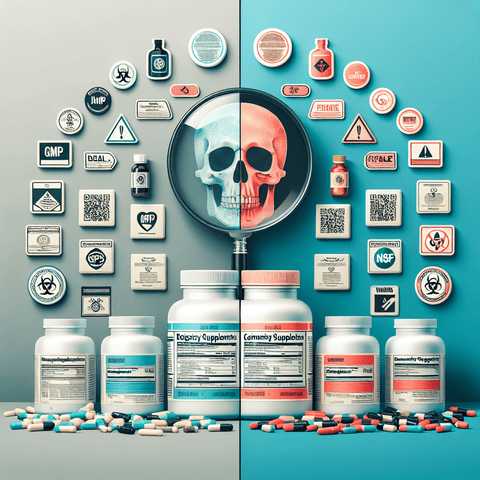
Reduce Your Risk of Buying Counterfeit SupplementsAs the demand for dietary supplements grows, so does the market for counterfeit products. Fake supplements can be ineffective at best and dangerously contaminated at worst. Learning how to spot them is essential for protecting your health and your wallet. This guide provides a practical, step-by-step approach to identifying fake supplements and avoiding common scams, whether you're shopping online or in-store. It covers essential red flags, how to verify authenticity, and what to do if you suspect a product is fake. The article also addresses current scams targeting vulnerable consumers and includes a checklist to help you shop with confidence.Recognizing Red Flags and Common Supplement ScamsBefore purchasing any supplement, run through a checklist of warning signs. Spotting even one red flag should make you reconsider the product's authenticity. Look for blurry logos, spelling errors, or low-quality printing, and check for expiration dates, batch numbers, and manufacturer details. Be cautious of extremely low prices or sellers with no physical address. Scammers also use fake endorsements, clone websites, brushing scams, auto-ship schemes, and unapproved miracle cures. Seniors and those looking for weight loss or muscle-building products are often targeted, so stay alert. If a product claims to cure or treat a disease, it is illegal and should be avoided.How to Verify Authenticity and Choose a Trusted RetailerTo verify a supplement before you buy, look for third-party testing seals from organizations like NSF, USP, or ConsumerLab. Use QR codes and batch verification if available, and research the seller thoroughly. Purchase from established retailers like TopVitamine that source directly from manufacturers. If you suspect a fake, stop using the product, document everything, contact the seller, and report it to the FDA's MedWatch program or your national food safety authority. By recognizing red flags, verifying products, and choosing trusted retailers, you can confidently build a supplement regimen that supports your health goals. Remember: if a deal seems too good to be true, it probably is.
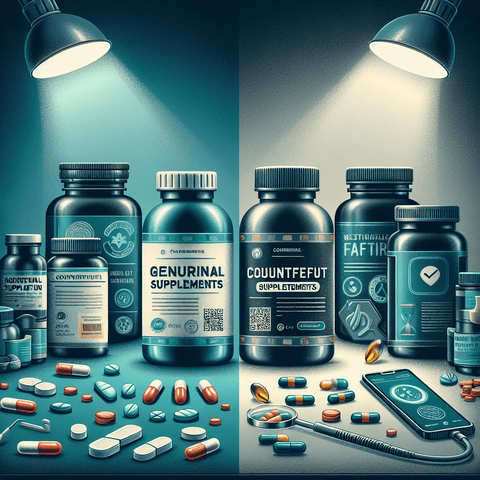
Counterfeit Supplements: A Growing RiskThe global supplement market's growth has led to an increase in counterfeit products that can be ineffective or even dangerous. Counterfeit supplements are fraudulent imitations of legitimate products, often containing incorrect dosages, no active ingredients, or harmful contaminants. This guide provides a straightforward, step-by-step process to help you identify these fake supplements, verify product authenticity, and make safe purchasing decisions.Key Red Flags and Verification StepsSpotting a fake often starts with careful visual and logical inspection. Check packaging for spelling mistakes, poor print quality, or tampered seals. Be wary of unrealistic discounts and unverified sellers, especially on online marketplaces. Examine the physical product for color, size, or smell inconsistencies. Use digital verification tools like QR codes, barcodes, and batch numbers to confirm authenticity through the manufacturer's website. Verify the company's legitimacy by checking for GMP, NSF, or USP certifications, transparent contact information, and independent reviews.Protecting Yourself from Supplement ScamsBeyond outright counterfeits, deceptive marketing can trick consumers. Avoid products with miracle-cure claims, fake endorsements, subscription traps, and misleading approvals. If you suspect a counterfeit, stop using the product, document everything, report it to authorities and the legitimate brand, and contact the seller. Prioritize purchasing from authorized retailers like TopVitamine.com that source directly from certified manufacturers to ensure you receive safe, effective supplements.

Chewable Multivitamins: Are They Effective?Chewable multivitamins can be an effective and convenient way to support your nutritional intake, especially if you have difficulty swallowing pills or prefer flavored supplements. Chewing begins the digestive process, which may modestly improve absorption of some water-soluble vitamins like vitamin C and B-complex. However, effectiveness depends on the quality of the formulation: some chewables contain lower mineral doses, added sugar, or artificial additives. Choosing a product with transparent labeling, adequate nutrient levels, and third-party testing is key.Chewable Multivitamins vs. Pills: Which Is Better?Chewable multivitamins offer advantages in convenience and taste, often leading to better consistency, while pills may provide higher doses of certain minerals like iron. Absorption can vary by formulation; chewables may be absorbed faster for some nutrients, but well-formulated capsules can be equally effective. Consider your needs: if you dislike swallowing pills, chewables may improve your daily adherence, but if you need high-dose minerals, pills might be more practical. Always review nutrient forms and dosages.How to Choose the Best Chewable MultivitaminFor the best chewable multivitamin for adults, look for a comprehensive profile with essential vitamins and minerals, prefer chelated minerals for better absorption, and minimize added sugar and artificial additives. Third-party testing ensures purity and potency, and brands like Nested Naturals, Llama Naturals, and Equate offer quality options. Always consult your doctor before starting any supplement, especially if you have health conditions or take medication.
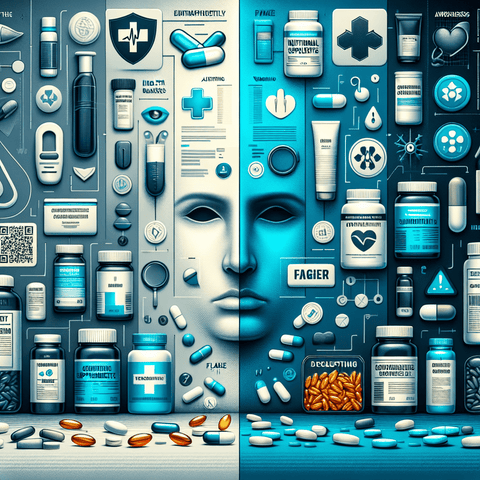
How to Spot Counterfeit VitaminsCounterfeit vitamins and fake supplements can contain incorrect doses, contaminants, or harmful ingredients, making supplement authenticity essential for safe use. Spotting fake supplements begins with careful inspection: check label spelling and grammar for errors, examine packaging quality for smudged ink or flimsy seals, and verify that tamper-proof seals are intact. Look for legible expiration dates and clear batch numbers, and compare prices that seem too good to be true. These quick checks can reveal many common red flags.Verifying Supplement LegitimacyTo check if a vitamin is legit, go beyond the physical product. Scan brand-approved QR codes or barcodes, look for third-party certification seals like USP or NSF, and request a Certificate of Analysis from the manufacturer. Research the seller's credentials, especially when buying from online marketplaces, and cross-reference with the brand's official website. Legitimate supplements come from GMP-certified facilities with transparent testing and traceable batch information.Risks and Safe PurchasingHealth supplement scams are more common through unauthorized retailers and marketplace sellers. Fake supplements may lack active ingredients or contain unlabeled contaminants, posing health risks. To stay safe, purchase directly from verified sources, avoid deals that seem unrealistic, and report suspected counterfeits to authorities like the FDA. By applying these verification steps, you can protect your health and choose safe, effective supplements with confidence.

Understanding Alcohol and Vitamin InteractionsCombining vitamins and alcohol requires care because alcohol can change how your body absorbs and uses nutrients. Alcohol may deplete water-soluble vitamins such as B vitamins and vitamin C, while also interfering with the absorption of fat-soluble vitamins like A, D, E, and K. The liver, which processes both alcohol and many supplements, can become strained when both are consumed together. Understanding these basic interactions helps you make safer choices about when and how to take supplements if you drink alcohol.Supplements That Pose the Highest Risk with AlcoholCertain supplements are especially risky when mixed with alcohol. High-dose vitamin A combined with alcohol may increase liver strain. Sedative herbs and supplements, including kava, valerian root, melatonin, GABA, and St. John’s wort, can dangerously amplify alcohol’s depressant effects, leading to excessive drowsiness or impaired coordination. Even liver-support products like milk thistle or NAC are best taken away from alcohol because the liver is already working to metabolize alcohol.Practical Guidelines for Safer Supplement UseTo reduce risks, separate your supplement doses from alcohol by at least 4–6 hours. Avoid combining alcohol with any sedative supplement entirely. Always read product labels for interaction warnings, and pay attention to how your body responds—nausea, dizziness, flushing, or extreme fatigue are signs to stop and seek guidance. For personalized advice, especially if you have health conditions or take medications, consult a healthcare professional before mixing supplements with alcohol.

Heavy Metals in Daily Multivitamins: Understanding the Real RiskIf you take a daily multivitamin, you might wonder about the risk of heavy metal contamination. For most healthy adults using a reputable multivitamin from a transparent brand, the risk is low. The key factors that determine your actual risk are the quality of ingredient sourcing, the brand's commitment to rigorous contamination testing, and the serving size. This article explains how mercury and cadmium can enter supplements, what the realistic health implications are, and provides a clear checklist for choosing products that prioritize purity.Mercury vs. Cadmium: How They Differ in SupplementsMercury is rarely a primary concern in standard multivitamins, as it is not typically abundant in the vitamin-rich plants or synthetic ingredients used. The greater risk for mercury exposure comes from specific supplement categories like fish oils or certain marine-sourced ingredients. Cadmium, however, is more relevant to multivitamins. It can be found in soil and absorbed by plants, including those used for vitamin sources. Ingredients derived from rice or leafy greens might carry a higher potential for cadmium content. Consistent intake of even low levels over many years is the primary concern, as cadmium accumulates in the kidneys.How to Choose a Safe Multivitamin: Your Actionable ChecklistEmpower yourself by knowing what separates a trustworthy supplement from a risky one. Look for brands that use independent labs to test for heavy metals and other contaminants. Certifications like USP, NSF International, or Informed Choice indicate that the product has been verified to meet specific quality and purity standards. Reputable companies are open about where their ingredients come from and often avoid high-risk sourcing regions. A Certificate of Analysis (COA) provides lab results for each batch; some brands make these available upon request or even publish them online. By prioritizing brands that demonstrate these practices, you significantly reduce any potential risk.