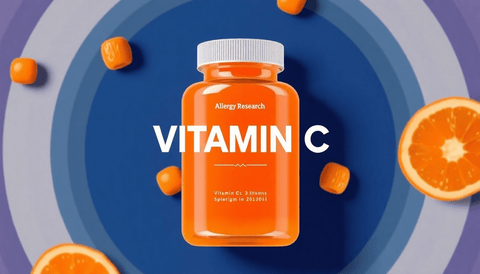
gerührtes Vitamin-C-Pulver: Sanftes, magenfreundliches Vitamin C für das tägliche Wohlbefinden


gepufferte Vitamin-C-Pulver ist ein bequemer Nahrungsergänzungsmittel, das für den täglichen Gebrauch entwickelt wurde. Diese pulverförmige Form bietet eine vielseitige Möglichkeit, Vitamin C in die Routine zu integrieren, ohne zusätzliches Volumen oder komplexe Zubereitung. Die Formulierung soll am Gaumen angenehm glatt sein und sich leicht in Wasser, Saft oder andere kalte Getränke einmischen lassen. Im Mittelpunkt des gepufferten Vitamin-C-Pulvers steht die Pufferung. Das Produkt nutzt Mineralsalze wie Calciumascorbat oder Magnesiumascorbat, um die Säure zu mildern und ein mildes Profil zu erzeugen. Dieser Ansatz trägt dazu bei, einen sanften Charakter zu bewahren, während die bekannte Ascorbinsäurebasis in einer stabilen, konsistenten Form präsentiert wird. Anwendungs- und Geschmacksoptionen: Gepuffertes Vitamin-C-Pulver ist in neutralen oder leicht aromatisierten Varianten erhältlich. Es löst sich schnell auf, wenn man es einfach umrührt, und kann in kalte Getränke oder Smoothies gegeben werden. Ein Standardmesslöffel ermöglicht eine bequeme Dosierung für den täglichen Gebrauch, und das Pulver ist so konzipiert, dass es Klumpenbildung widersteht, um eine einfache Zubereitung zu gewährleisten. Qualitäts- und Sicherheitsmerkmale: Gepufftes Vitamin-C-Pulver wird unter kontrollierten Herstellungsbedingungen mit Qualitätskontrollen in mehreren Stadien hergestellt. Es kommt in einem wiederverschließbaren Behälter, um die Frische zu bewahren, und jede Charge wird dokumentiert, um die Rückverfolgbarkeit sicherzustellen. Bitte beachten Sie stets die Produktkennzeichnung für Dosierungsanweisungen und Lagerungsempfehlungen.


Buffered Vitamin C: Benefits, Dosage, Side Effects - Topvitamine
August 15, 2026
Gepuffertes Vitamin C kombiniert Ascorbinsäure mit mineralischen Puffern wie Kalzium, Magnesium und Kalium, um eine weniger säurehaltige, magenfreundliche Form von Vitamin C zu schaffen. Dieser Leitfaden erklärt, was gepuffertes Vitamin C ist, wie es sich von regulärem Vitamin C unterscheidet und wer davon profitieren kann. Sie erfahren außerdem mehr über empfohlene Dosierungen, mögliche Nebenwirkungen und die Auswahl eines hochwertigen Nahrungsergänzungsmittels.
Allergy Research Group Buffered Vitamin C Powder: Benefits & Usage Guide | Topvitamine - Topvitamine
July 05, 2025
Gepuffertes Vitamin-C-Pulver enthält Vitamin C in einer weniger sauren Form als reine Ascorbinsäure. Dieser Ratgeber erklärt die möglichen Vorteile, die Unterschiede zu herkömmlichem Vitamin-C-Pulver, die Anwendung nach Produktangaben und wichtige Sicherheitsaspekte. Außerdem erfahren Sie, ob Vitamin C bei Allergien geeignet ist, woran Sie seriöse Nahrungsergänzungsmittel erkennen und was Sie zur Allergy Research Group vor dem Kauf prüfen sollten.

Vitamin C is a widely recognized nutrient, but not all forms are created equal, especially when it comes to digestive comfort. Buffered vitamin C powder offers a solution for those who want the benefits of vitamin C without the stomach irritation sometimes associated with standard ascorbic acid. This guide explores what buffered vitamin C is, why it might be a suitable option, and how to incorporate it into a daily wellness routine.

Understanding Buffered Vitamin C

At its core, buffered vitamin C powder starts with ascorbic acid, the active form of vitamin C. The key difference lies in the buffering process, where the ascorbic acid is combined with essential minerals. This reaction creates a mineral ascorbate, such as calcium ascorbate or magnesium ascorbate. This new compound is less acidic than pure ascorbic acid, which is the primary reason it is often associated with reduced stomach upset.

This powdered form offers a flexible method for supplementing vitamin C. It is designed to dissolve easily and mix into water, juice, or smoothies, making it a beverage-friendly option for daily use. Its less acidic nature is often preferred by people with sensitive digestive systems who want to maintain a consistent vitamin C intake.

Key Differences: Ascorbic Acid vs. Buffered Vitamin C

The main question many people have is how buffered vitamin C compares to the standard form. The distinction comes down to chemistry and its effect on the body.

  • Pure Ascorbic Acid: This is the most common and cost-effective form of vitamin C. However, its high acidity can lead to stomach cramping or heartburn in some individuals, particularly at higher doses.
  • Buffered Vitamin C (Mineral Ascorbates): This form is created by binding ascorbic acid to minerals like calcium, magnesium, or potassium. The resulting compound is much gentler on the stomach, allowing for larger doses without the same level of discomfort. It also provides minerals that contribute to overall health.

For many, the choice between the two comes down to personal tolerance and specific health needs. While true vitamin C deficiency is rare in developed countries, many people choose to supplement for general wellness and to support immune health.

The Role of Essential Minerals in Buffering

The type of mineral used to buffer vitamin C can vary, and each offers its own unique benefits:

  • Calcium Ascorbate: Considered the most common form of buffered vitamin C, it pairs vitamin C with calcium, a mineral vital for bone health.
  • Magnesium Ascorbate: This form combines vitamin C with magnesium, a mineral essential for hundreds of bodily functions, including muscle and nerve function.
  • Potassium Ascorbate: This version uses potassium, another crucial electrolyte for heart and muscle function. It is less common but still an effective buffering agent.

Why Choose a Powdered Form?

Beyond the buffering aspect, choosing a powdered form of vitamin C offers practical benefits for everyday life.

  • Easy to Mix: The powder is designed to dissolve quickly with a simple stir, creating a smooth beverage without clumps or a gritty texture.
  • Versatile: It can be seamlessly added to a glass of water, a glass of juice, or blended into a smoothie, making it easy to integrate into various routines.
  • Customizable Dosage: A standard scoop provides a convenient measure, but the powder form allows for easy adjustment of your intake based on your individual needs and preferences.

Quality and Formulation Considerations

When selecting a buffered vitamin C powder, quality is a crucial consideration. High-quality products are typically produced under controlled manufacturing conditions with quality checks at multiple stages. Look for products that come in a resealable container to preserve freshness and protect the powder from moisture. Each batch should be documented for traceability, and the label should clearly state the serving size and the amount of vitamin C and buffering minerals it provides.

Supplement Synergy: A Word on Minerals and Antioxidants

While buffered vitamin C is a powerful nutrient on its own, it also works well in a broader wellness context. The minerals used in buffering, such as calcium and magnesium, are important for bone and muscle health, respectively. They are often featured alongside vitamin C in comprehensive supplement stacks.

Navigating the world of supplements can be complex. For a broader perspective on supplement ingredients and their role in health, exploring our comprehensive mineral supplements guide can provide valuable context.

As an antioxidant, vitamin C works best as part of a balanced diet rich in fruits and vegetables. For those looking to understand the role of antioxidants more deeply, you may also want to review our educational guide on antioxidants.

Practical Considerations and Usage

Incorporating buffered vitamin C powder into your day is simple. A standard approach is to mix one scoop with 4 to 8 ounces of water or juice and stir thoroughly until dissolved. It can be taken at any time of day, with or without food, although taking it with a meal may further reduce the chance of any minor digestive discomfort.

The powder is designed to resist clumping, ensuring a consistent measure from the scoop. Always adhere to the dosing guidance on the product label, as this is determined by the specific concentration of vitamin C in the formula. Proper storage is also essential; keep the container tightly sealed in a cool, dry place to maintain its quality for the duration of its shelf life.

Important Safety and Health Information

Buffered vitamin C powder is widely considered safe for most adults when used as directed. However, as with any dietary supplement, it is wise to exercise caution. Although buffering minimizes acidity, individuals with sensitive stomachs should still start with a smaller dose to assess their tolerance. Taking extremely high doses of vitamin C, even in buffered form, may still lead to digestive issues such as diarrhea in some people.

It is crucial to remember that this information is for educational purposes and is not a substitute for professional medical advice. If you are pregnant, nursing, taking medication, or have a pre-existing health condition, you should always consult with a qualified healthcare provider before starting any new supplement regimen, including buffered vitamin C.

Exploring Related Supplement Categories

Buffered vitamin C powder is an excellent example of a mineral-buffered nutrient, but this approach is not unique to vitamin C. It highlights the importance of mineral balance in overall health, from the calcium in our bones to the electrolytes that power our cells. To learn more about the foundational role of these elements, take a look at our dedicated vitamin C collection which offers a deeper insight into this essential nutrient's benefits and sources.