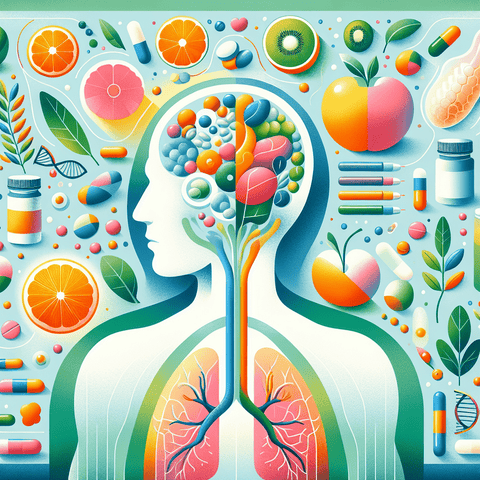
Nährstoffvorteile: Wissenschaftlich fundierte Tipps zur Steigerung Ihrer Gesundheit


Willkommen in einem Raum, der auf wissenschaftlich fundierten Ernährungstipps basiert, die darauf ausgelegt sind, informierte Entscheidungen zu treffen, anstatt Ergebnisse vorzuschreiben. Wir legen besonderen Wert darauf, wie man die Vorteile der Ernährung verstehen kann, indem man auf belastbare Evidenz schaut, wie verschiedene Studiendesigns zum Gesamtbild beitragen und wie der Kontext eine Rolle spielt. Indem wir den Begriff „Nutritional Benefits“ in den Mittelpunkt stellen, erkennen wir an, dass die Vorteile von der Zusammensetzung der Nährstoffe, vom Zeitpunkt und von persönlichen Faktoren abhängen – und nicht von isolierten Botschaften. Das Ziel ist, Forschung in praktische, transparente Anleitungen umzusetzen, die auf individuelle Bedürfnisse anpassbar bleiben. Sie werden lernen, robuste Erkenntnisse von Hype zu unterscheiden, nach Bias zu suchen und die Qualität von Quellen zu bewerten. Dabei bleibt der Fokus stets auf evidenzbasierten Strategien und einer sorgfältigen Interpretation, wobei absolute Behauptungen vermieden werden zugunsten von durchdachtem Denken. Evidenzbasierte Strategien basieren auf einem Rahmenwerk zur Bewertung von Informationen. Wir besprechen, wie man Zusammenfassungen liest, worauf man in systematischen Übersichten achten sollte und wie man scheinbare Widersprüche in der Literatur interpretiert. Der Begriff „Nutritional Benefits“ wird als ein Blickwinkel verstanden, um zu erkennen, wie Nährstoffe je nach Kontext zur Funktion des Körpers beitragen – ohne komplexe biologische Zusammenhänge auf einfache Slogans zu reduzieren. Wir berücksichtigen auch die Rolle individueller Unterschiede, Lebensstilfaktoren und Umweltfaktoren, die beeinflussen, wie Informationen auf Sie zutreffen. Beim Umgang mit nährstoffreichen Quellen liegt der Fokus darauf, zu erkennen, wie verschiedene Nährstoffe in einen ausgewogenen Ansatz passen, anstatt Dinge zu rangieren. Wir fördern einfache Gewohnheiten, die einen durchdachten Rhythmus bei der Aufnahme unterstützen, z. B. mit Planung, das Führen eines neutralen Logbuchs, um zu reflektieren, was Sie lernen, und das Hinterfragen neuer Informationen anhand glaubwürdiger Quellen. Praktische Schritte für den Alltag sollen Sie orientieren, glaubwürdige Quellen zu erkennen und fundierte Schlüsse zu ziehen. Wir sprechen darüber, wie man Informationen aus renommierten Fachzeitschriften, Institutionen und Experten auswählt und wie man Behauptungen überprüft, bevor man darauf handelt. Das Verständnis der ernährungsbezogenen Vorteile im Kontext bedeutet, anzuerkennen, dass Ergebnisse durch viele Faktoren vermittelt werden und sich die Ernährung Wissenschaft weiterentwickelt. Wir vermeiden es, universelle Maßnahmen mit Garantien vorzuschreiben, und legen stattdessen Wert auf den Prozess: wie man Empfehlungen bewertet, Fragen stellt und die eigene Herangehensweise anpasst, wenn neue Daten verfügbar werden. Einfache Gewohnheiten wie realistische Ziele setzen, Konsistenz bewahren und im Dialog mit vertrauenswürdigen Quellen bleiben, können eine stetige, durchdachte Beschäftigung mit Ernährungsthemen fördern und dabei persönliche Vorlieben und Einschränkungen respektieren. Letztlich lädt diese Seite dazu ein, die Welt der Ernährungswissenschaft mit einem klaren, kritischen Blick zu erkunden. Indem Sie den Begriff „Nutritional Benefits“ als Konzept verstehen, können Sie besser nachvollziehen, wie verschiedene Elemente der Ernährungsforschung innerhalb größerer Zusammenhänge wirken. Der Fokus auf evidenzbasierte Strategien, vorsichtige Interpretation und transparente Argumentation soll Sie befähigen, informierte Entscheidungen im Alltag zu treffen, ohne überzogene Behauptungen zu machen. Nehmen Sie sich Zeit, prüfen Sie mehrere Quellen und passen Sie Ihren Ansatz an, wenn Sie mehr lernen. Dieser Ansatz unterstützt eine nachhaltige Beschäftigung mit Ernährungsthemen, die auf Wissenschaft basiert und durch das Engagement für Genauigkeit und Demut im Angesicht sich entwickelnder Evidenz geprägt ist.


What are different vitamins good for? - Topvitamine
October 14, 2025
Wofür sind Vitamine gut? Die 13 Vitamine unterstützen unter anderem Sehkraft, Energiestoffwechsel, Immunsystem, Blutbildung, Knochen und Zellschutz. Dieser Überblick erklärt den Unterschied zwischen wasserlöslichen und fettlöslichen Vitaminen, nennt geeignete Lebensmittelquellen und zeigt, wann Vitaminpräparate sinnvoll sein können. Da Beschwerden unspezifisch sind und Supplemente Wechselwirkungen haben können, sollte ein vermuteter Mangel fachlich abgeklärt werden.

Good nutrition is one of the most practical ways to look after your health. The nutritional benefits of a balanced, varied diet touch almost every part of daily life — from steady energy and comfortable digestion to the normal functioning of the immune system, muscles and bones. This page is our topical hub for nutrition: it explains what good nutrition involves, which essential nutrients the body needs, where to find them in everyday foods, and where supplements may fit alongside a healthy diet.

Below this overview you will find the articles tagged with this topic. Each one explores a specific nutrient, food or nutrition question in greater depth, so this page gives you the map of the subject and the articles give you the detail.

What Are Nutritional Benefits?

Nutrition is the process by which the body takes in food and puts the nutrients it contains to work. Nutritional benefits, then, describe what a well-nourished body can do: fuel daily activity, build and maintain tissues, and support the many systems that keep everything running.

Importantly, these benefits come from the overall pattern of what you eat and drink over time — not from any single food or ingredient. Nutrients work together, amounts and context matter, and personal factors such as age, activity level, genetics and health status shape how diet affects each individual. That is why responsible nutrition guidance focuses on balanced patterns rather than miracle foods, and why claims that sound too good to be true usually deserve a closer look.

The 7 Essential Nutrients Your Body Needs

Nutrition science commonly describes seven essential nutrient groups. 'Essential' means the body needs them to function normally and cannot make them — or cannot make enough of them — on its own, so they must come from food and drink.

  • Carbohydrates — the body's main source of energy, found in foods such as whole grains, fruit, vegetables and legumes.
  • Protein — provides amino acids, the building blocks used for muscles, tissues, enzymes and much more; sources include fish, poultry, eggs, dairy, legumes and nuts.
  • Fats — a concentrated energy source that also helps the body absorb fat-soluble vitamins; unsaturated fats from olive oil, nuts, seeds and oily fish are generally emphasized in healthy eating patterns.
  • Vitamins — compounds needed in small amounts for a wide range of normal processes, from energy metabolism to immune function.
  • Minerals — elements such as calcium, magnesium, potassium, iron and zinc that support bones, blood, muscles and many other functions.
  • Water — involved in virtually every bodily process, from temperature regulation to nutrient transport.
  • Fiber — the part of plant foods that is not digested, supporting comfortable digestion and a healthy gut environment.

Macronutrients: Carbohydrates, Protein and Fats

Carbohydrates, protein and fats are called macronutrients because the body needs them in relatively large amounts and because they supply energy. Quantity is only part of the story: most healthy eating patterns emphasize whole-grain carbohydrates, varied protein sources and predominantly unsaturated fats.

Micronutrients: Vitamins and Minerals

Vitamins and minerals are needed in much smaller amounts, yet they take part in countless processes, including energy metabolism, immune function, bone maintenance and the formation of red blood cells. Eating a wide variety of foods is the simplest way to cover them. If you would like to understand individual minerals in more depth, our mineral supplements guide covers iron, zinc, selenium, iodine and other trace elements.

Water and Fiber

Water and fiber are easy to overlook, yet both shape how good nutrition feels day to day. Regular hydration supports concentration, physical performance and normal digestion, while fiber from whole grains, vegetables, fruit, legumes and nuts helps keep the digestive system working comfortably.

How Good Nutrition Supports the Body

When the diet regularly provides adequate amounts of essential nutrients, the body has the raw materials it needs for normal functioning. Established nutrition guidance links balanced eating patterns with several everyday benefit areas:

  • Everyday energy — carbohydrates, fats, B vitamins, iron and magnesium all play roles in normal energy-yielding metabolism.
  • Immune function — nutrients such as vitamin C, vitamin D, zinc and protein contribute to the normal function of the immune system.
  • Muscles — protein supports the growth and maintenance of muscle mass, while magnesium and calcium contribute to normal muscle function.
  • Bones — calcium, vitamin D, vitamin K and magnesium contribute to the maintenance of normal bones.
  • Skin, hair and eyes — nutrients including vitamins A, C and E, zinc and omega-3 fats are involved in the normal structure and function of these tissues.
  • Digestion — fiber, adequate fluids and, for some people, probiotic foods contribute to comfortable, regular digestion.

These statements describe widely accepted roles of nutrients in normal body function. Longer-term outcomes are more complex: research consistently associates balanced dietary patterns with better health over a lifetime, but results depend on many factors beyond food, including genetics, lifestyle and environment. No way of eating can guarantee the prevention of disease, and individual needs can differ considerably.

Nutrient-Rich Foods: The Foundation of a Balanced Diet

The most dependable way to obtain nutritional benefits is through a varied, predominantly whole-food diet. Nutrition researchers often talk about 'nutrient density' — getting plenty of nutrients relative to calories — and most healthy eating patterns are built from similar building blocks:

  • Vegetables and fruit, for vitamins, minerals, fiber and plant compounds
  • Whole grains, for energy, fiber and B vitamins
  • Legumes, nuts and seeds, for plant protein, healthy fats and minerals
  • Fish, poultry, eggs or other protein sources, for complete protein and micronutrients such as vitamin B12, iron and omega-3 fats
  • Dairy or fortified alternatives, for calcium, protein and often added vitamin D
  • Healthy oils such as olive oil, used in place of saturated fats where possible

Variety matters more than any single ingredient. Questions about individual foods — whether bananas are a good everyday snack, how peanut butter fits into a balanced diet, or which foods truly deserve to be called the most nutritious — depend on the whole diet and on personal needs, and our tagged articles look at specific foods one by one. For an overview of nutrient-dense ingredients and the health claims permitted around them, our superfoods guide is a useful place to start.

Where Supplements Fit In

A balanced diet comes first. Even so, supplements can play a supporting role — for example, when certain nutrients are difficult to obtain in sufficient amounts from food alone, when dietary choices or life stages increase requirements, or when a healthcare professional has identified a shortfall. Supplements are intended to complement the diet, not replace it, and they are not a shortcut to the benefits of healthy eating.

If you are considering a general top-up, our multivitamins guide explains how combined vitamin and mineral products are put together and what to look for in terms of ingredients, usage and safety. For more targeted needs, it is best to discuss options with a qualified professional who can help determine whether a supplement is appropriate for you.

Important Considerations

Nutrition is highly individual. Age, body size, activity level, life stage, dietary preferences and health conditions all influence what good nutrition looks like for a particular person. A few principles apply broadly, however:

  • Favor overall dietary patterns over single foods or nutrients.
  • Treat absolute claims with caution — reputable guidance describes what nutrients do and what research shows, without guarantees.
  • Check the source: organizations such as the WHO and NIH, as well as registered dietitians, publish accessible, evidence-based guidance.
  • Remember that the information on this page is general education, not personalized medical or dietary advice.

If you have a medical condition, take medication, are pregnant or breastfeeding, or are planning significant dietary changes or supplements, it is sensible to consult a doctor or registered dietitian first.

Exploring Nutritional Benefits Further

This page offers the map of the topic: what nutritional benefits mean, the essential nutrients the body needs, the benefit areas associated with balanced eating, and the roles of nutrient-rich foods and supplements. The articles listed under this tag explore individual parts of that map in depth — specific vitamins and minerals, particular foods, and common nutrition questions. Browsing them is a straightforward way to build a fuller, more nuanced picture of how nutrition can support your everyday health.