
Sehschwäche ist ein breit gefasster Begriff, der eine eingeschränkte Fähigkeit beschreibt, klar zu sehen, sei es in einem oder beiden Augen. Sie kann alltägliche Aktivitäten, Lernen und Arbeiten beeinträchtigen und ist ein Thema, das viele Menschen besser verstehen möchten. Auf dieser Seite finden Sie Informationen über die wahrscheinlichsten Ursachen, häufige Symptome und die Bandbreite der Behandlungsmöglichkeiten, die von Augenpflegespezialisten diskutiert werden. Wenn Sie Veränderungen in Ihrer Sehkraft bemerken, ist eine professionelle Untersuchung wichtig, um festzustellen, ob eine Sehschwäche vorliegt. Ursachen für Sehschwäche können sehr unterschiedlich sein. Refraktive Fehler wie Kurzsichtigkeit (Myopie), Weitsichtigkeit (Hyperopie) und Astigmatismus sind häufige Ursachen, bei denen Licht nicht richtig auf die Netzhaut fokussiert wird. Andere Augenerkrankungen, einschließlich Katarakte, Glaukom oder Makulardegenerationen, können ebenfalls zu Sehschwäche führen, insbesondere im Alter. In einigen Fällen entsteht die Sehschwäche durch Verletzungen oder neurologische Probleme, die beeinflussen, wie das Gehirn visuelle Informationen verarbeitet. Das Verständnis der zugrunde liegenden Ursache ist ein wichtiger Schritt, um gemeinsam mit einem Arzt die nächsten geeigneten Maßnahmen festzulegen. Symptome im Zusammenhang mit Sehschwäche können von subtil bis deutlich enthalten. Menschen berichten häufig von verschwommener oder verzerrter Sicht, Schwierigkeiten beim Fokussieren oder dem Bedürfnis nach mehr Licht zum Lesen. Weitere Warnzeichen können Doppelbilder, Lichthäfen, häufige Augenbelastung, Kopfschmerzen oder plötzliche Veränderungen der Sehkraft sein. Da die Symptome variieren können und einige Erkrankungen sofortige Aufmerksamkeit erfordern, ist es wichtig, Warnzeichen frühzeitig zu erkennen und eine professionelle Untersuchung aufzusuchen, um das Sehvermögen zu schützen. Behandlungsmöglichkeiten für Sehschwäche werden auf die jeweilige Diagnose abgestimmt und können eine Kombination verschiedener Ansätze umfassen. Abhängig von der Ursache können Korrektionsgläser wie Brillen oder Kontaktlinsen oder Verfahren, die von Augenärzten durchgeführt werden, in Betracht gezogen werden. Einige Menschen profitieren von Sehhilfen oder rehabilitativen Maßnahmen, während in anderen Fällen eine kontinuierliche Überwachung und Behandlung einer Augenkrankheit im Vordergrund steht. Regelmäßige Augenuntersuchungen und Schutzstrategien unterstützen die Behandlung der Sehschwäche und sollen helfen, Ihr Sehvermögen langfristig zu erhalten.
Sehschwäche: Ursachen, Symptome und Behandlungsmöglichkeiten
Vision deficiency is a broad term that describes a reduced ability to see clearly, whether in one eye or both. It can affect daily activities, learning, and work, and is an issue that many people seek to understand better. This page provides a high-level overview of the topic, including the different types, common causes, symptoms, and general treatment approaches. It also introduces important concepts such as color vision deficiency and refractive errors. For specific concerns about your vision, a professional evaluation is always recommended.
What Is Vision Deficiency?
Vision deficiency refers to any condition where the visual system does not function optimally. This can include difficulties with clarity, color perception, field of vision, or light sensitivity. The term is often used interchangeably with visual impairment, though the severity and specific nature can vary significantly. Some forms are correctable with glasses or contact lenses, while others may require medical or surgical intervention. Understanding the type and cause is key to finding appropriate support.
Major Types of Vision Deficiency
Vision deficiency can be categorized in several ways. The most common types include:
- Refractive errors: myopia (nearsightedness), hyperopia (farsightedness), and astigmatism, where light does not focus correctly on the retina.
- Color vision deficiency: difficulty distinguishing certain colors, most commonly red and green. This is often inherited and more common in men.
- Age-related conditions: cataracts, glaucoma, and macular degeneration, which can develop over time and affect vision.
- Neurological or injury-related vision loss: damage to the eye, optic nerve, or brain areas responsible for processing visual information.
Common Causes and Risk Factors
The causes of vision deficiency are varied. Refractive errors are typically due to the shape of the eye. Color vision deficiency is usually genetic, though it can also result from certain eye diseases or medications. Age-related eye conditions become more common as people get older. Other factors include eye injuries, diabetes, neurological disorders, and in rare cases, nutritional deficiencies. Regular eye exams can help detect issues early, especially when there is a family history of eye disease.
Symptoms and Warning Signs
Symptoms can range from subtle to noticeable. People often report blurred or distorted vision, difficulty focusing, or needing more light to read. Other warning signs include double vision, halos around lights, frequent eye strain, and headaches. Color vision deficiency may be less obvious and is sometimes identified during school screenings or occupational tests. Sudden changes in vision, eye pain, or flashes of light require immediate medical attention.
Diagnosis and Treatment Options
Diagnosis typically involves a comprehensive eye exam, which may include visual acuity tests, color vision testing, and examination of the retina and optic nerve. Treatment depends on the specific diagnosis. Corrective lenses can address refractive errors. Some conditions, such as cataracts, may be treated with surgery. Vision rehabilitation and assistive devices can help individuals adapt to vision loss. For color vision deficiency, there is no cure, but special glasses and apps may help some people distinguish colors more easily. Regular monitoring is important for managing progressive conditions.
Nutrition and Eye Health
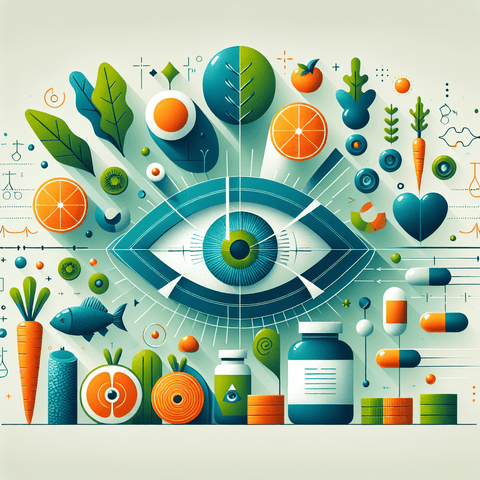
Certain nutrients play a role in maintaining eye health. Vitamin A is essential for vision, and deficiencies in this vitamin can lead to night blindness and other eye problems. Antioxidants like vitamin C and E, as well as minerals such as zinc, may help protect against oxidative stress in the eyes. Omega-3 fatty acids, particularly DHA, are also important for retinal health. While a balanced diet is the best source of these nutrients, some individuals may consider supplements if their intake is insufficient. Always consult a healthcare professional before starting any new supplement.
For those interested in nutritional support for eye health, explore our vitamin A category and our antioxidant supplements. These categories offer a range of products that may complement a healthy diet.
When to See a Doctor
- Sudden loss of vision in one or both eyes.
- New or worsening blurred vision, double vision, or eye pain.
- Flashes of light, floaters, or a curtain-like shadow over your vision.
- Difficulty distinguishing colors that affects daily tasks.
If you experience any of these symptoms, seek prompt medical attention. Regular eye exams are also important for early detection of eye conditions, especially if you have risk factors such as diabetes or a family history of eye disease.
Exploring Further
This tag page provides a broad overview of vision deficiency. For more specific topics, such as color vision deficiency, refractive errors, or nutritional approaches to eye health, explore the related articles listed on this page. You can also browse our natural supplements collection for general wellness support.