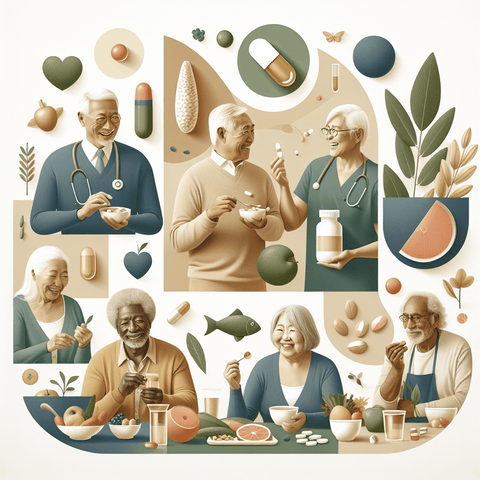
Aging Period Nutrition: Optimiza tu dieta para aumentar la energía, la inmunidad y la longevidad


La nutrición en el período de envejecimiento es un campo que investiga cómo los factores dietéticos interactúan con la biología del envejecimiento a lo largo de toda la vida. Esta página presenta perspectivas respaldadas por la ciencia sobre cómo las decisiones nutricionales se relacionan con procesos relacionados con el envejecimiento, sin promover regímenes específicos. Al enfatizar la evidencia, el rigor metodológico y una interpretación transparente, la nutrición en el período de envejecimiento busca aclarar cómo las respuestas metabólicas y fisiológicas evolucionan con el tiempo en respuesta a patrones dietéticos a largo plazo. Para los lectores, comprender la nutrición en el período de envejecimiento implica examinar cómo se realiza la investigación. Los diferentes diseños de estudios—estudios observacionales, experimentos y artículos de síntesis—ofrecen perspectivas complementarias pero también tienen limitaciones. Busque consistencia en diversas poblaciones, un control cuidadoso de los factores de confusión y una interpretación cautelosa de las asociaciones. Recuerde que el contexto importa: la edad, el sexo, la genética y el entorno pueden influir en cómo los factores dietéticos se relacionan con la biología del envejecimiento. Este enfoque ayuda a evitar la sobregeneralización. Abordar la nutrición en el período de envejecimiento en la práctica se centra en principios amplios en lugar de prescripciones específicas. Concéntrese en cumplir con la suficiencia nutricional, mantener variedad y ajustar las elecciones a preferencias personales y sostenibilidad a largo plazo. Considere rastrear indicadores no prescriptivos como niveles de energía, calidad del sueño o claridad cognitiva a lo largo del tiempo, y utilice fuentes confiables para informar sus decisiones. Participar con profesionales que enfatizan la evidencia y la transparencia puede apoyar una exploración reflexiva e individualizada del tema. Comience hoy para explorar la ciencia detrás de la nutrición en el período de envejecimiento. Esta página lo invita a aprender, reflexionar y participar con la investigación actual, manteniendo en mente las limitaciones y la naturaleza en evolución del campo. Al construir una base de pensamiento crítico y evaluación cuidadosa, puede navegar cómo la nutrición se relaciona con los procesos de envejecimiento de manera reflexiva y basada en la evidencia.


Which vitamins do you need after 50? - Topvitamine
06 de October, 2025
Las vitaminas después de los 50 pueden ayudar a cubrir necesidades nutricionales concretas, pero no existe una fórmula universal ni una vitamina que detenga el envejecimiento. Esta guía explica el papel de la vitamina D, B12, C, folato, magnesio, calcio, vitamina K y omega-3; ofrece criterios para elegir un multivitamínico para mayores de 50 y responde preguntas frecuentes sobre piel, suplementos antienvejecimiento y seguridad.

Aging period nutrition is an important topic that addresses the changing dietary needs of women as they navigate perimenopause and menopause. This natural biological transition brings about hormonal shifts that can impact metabolism, bone health, cardiovascular function, and overall well-being. This guide provides a comprehensive overview of the key nutritional considerations during this phase of life, offering practical information on important nutrients, dietary patterns, and lifestyle factors to help you feel your best.

What is Aging Period Nutrition?

Aging period nutrition is the study of how dietary choices interact with the biological processes of aging and the hormonal changes associated with the end of the menstrual cycle. It focuses on the period of perimenopause—the years leading up to menopause—and the post-menopausal years. The aim is to provide a framework for women to use nutrition to support their health proactively during this significant life transition. This involves understanding how evolving hormone levels, particularly estrogen, affect nutrient needs and physiological functions.

This field is not about a single prescription but about a holistic approach. It encourages women to understand the science behind how diet impacts their specific health concerns and to use this knowledge to build a balanced eating pattern that supports their long-term goals. It's a shift from a focus on short-term dieting to a long-term, sustainable strategy for health and vitality.

Key Nutrients for Women as They Age

As women age and their hormonal profile changes, certain nutrients become especially important. Prioritizing these in your daily diet can help mitigate some of the common health concerns associated with this transition.

  • Calcium and Vitamin D: These are essential for maintaining bone density, which can decline rapidly after menopause, increasing the risk of osteoporosis. Good sources of calcium include dairy products, leafy green vegetables, and fortified foods. Vitamin D, which helps the body absorb calcium, is obtained from sunlight, fatty fish, and fortified products. You can learn more about these nutrients in our calcium collection or our vitamin D collection.
  • Protein: Maintaining adequate protein intake is vital for preserving lean muscle mass, which naturally diminishes with age. This is important for keeping a healthy metabolism and maintaining strength. Good sources include poultry, fish, beans, lentils, and tofu.
  • Omega-3 Fatty Acids: These healthy fats play a role in supporting heart and brain health. As cardiovascular risk can increase after menopause, including omega-3s from sources like salmon, flaxseed, and chia seeds is beneficial. Our omega-3 supplement collection offers further information.
  • Fiber: A diet rich in fiber from fruits, vegetables, and whole grains supports digestive health and can help manage cholesterol levels and maintain a healthy weight.
  • B Vitamins: These are involved in energy production and are important for cognitive function. They are found in a variety of foods, including whole grains, meat, and leafy greens.

Beneficial Dietary Patterns

Rather than focusing on single nutrients, adopting a healthy dietary pattern is often more effective. Several eating styles have been studied for their benefits in supporting aging and hormonal health.

The Mediterranean Diet

This diet is consistently praised for its abundance of whole grains, fruits, vegetables, legumes, nuts, and healthy fats like olive oil. It includes moderate amounts of fish and poultry and is linked to benefits for heart health, cognitive function, and reducing inflammation.

Anti-Inflammatory Diets

These diets focus on minimizing processed foods, refined sugars, and unhealthy fats, while maximizing foods rich in antioxidants and omega-3s. The goal is to help manage chronic low-grade inflammation, which is linked to various age-related conditions.

Practical Considerations for Meal Planning

Putting these principles into practice can feel overwhelming, but simple strategies can make a significant difference.

  • Aim for a colorful plate: Include a variety of fruits and vegetables to ensure a wide intake of vitamins, minerals, and antioxidants.
  • Plan protein-rich meals: Include a source of protein at every meal to help maintain muscle mass and keep you feeling full and satisfied.
  • Don't neglect calcium: Make it a point to include calcium-rich foods in your daily routine, such as yogurt, cheese, or fortified plant-based milk.
  • Stay hydrated: Drinking enough water is crucial for everything from energy levels to cognitive function.

The Role of Supplements

While food should be the primary source of nutrients, supplements can help bridge the gap between dietary intake and specific needs, which often increase with age. It is a common challenge to get adequate amounts of vitamin D, omega-3s, and calcium from diet alone, making these popular supplement choices for women in this stage of life.

If you are considering a supplement, it is important to choose high-quality products and to discuss the move with a healthcare professional. They can help you assess your individual needs and ensure the supplements you take are safe for you and won't interact with any medications you may be on. You can explore a range of options in our natural supplements collection to see what's available.

Lifestyle Factors That Support Well-being

Nutrition is just one piece of the puzzle. Other lifestyle factors play a critical role in how you feel during this transition.

  • Regular Physical Activity: Incorporating both aerobic exercises and strength training can help maintain muscle mass, support bone density, and improve mood.
  • Prioritizing Sleep: Hormonal changes can disrupt sleep. Focusing on good sleep hygiene—like having a regular schedule and a relaxing bedtime routine—is essential for recovery and hormonal balance.
  • Managing Stress: High stress levels can exacerbate some symptoms. Mind-body practices such as yoga, meditation, or simply taking time for hobbies can be very beneficial.

Exploring Aging Period Nutrition Further

Understanding aging period nutrition is a journey of learning what works best for your unique body. This is a broad field with many specific topics to explore, and this page serves as a starting point. The articles associated with this topic will provide deeper dives into specific questions—such as the impact of particular foods on skin health, or how dietary components might influence age-related processes. Always remember that this information is for educational purposes and should not replace personalized advice from a qualified healthcare provider.