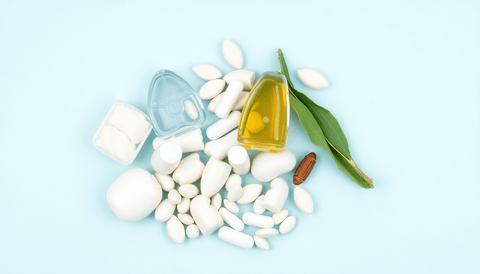
Vitaminas libres de alérgenos: Puras, seguras y amigables con las alergias - Compra ahora


Las vitaminas libres de alérgenos ofrecen una forma sencilla de mantener tu rutina sin exposición a alérgenos comunes. Nuestras vitaminas sin alérgenos están elaboradas con cuidado para enfatizar la pureza y la seguridad, y se mantienen libres de los principales alérgenos como lácteos, gluten, soja y nueces. Cada fórmula está diseñada con un perfil limpio y estándares estrictos de ingredientes para apoyar a sistemas sensibles. Al centrarnos en formulaciones simplificadas, estas vitaminas ofrecen opciones predecibles en las que puedes confiar. La calidad comienza en la fuente. Las vitaminas sin alérgenos de nuestra línea se producen en instalaciones con controles dedicados a los alérgenos, protocolos estrictos de contacto cruzado y documentación rigurosa. Trabajamos con proveedores que comparten nuestro compromiso con ingredientes limpios, y cada lote se somete a pruebas de terceros para garantizar precisión y pureza. El etiquetado transparente te ayuda a verificar los ingredientes de un vistazo, y mantenemos declaraciones claras sobre alérgenos en cada producto. Compra ahora para explorar una variedad de vitaminas sin alérgenos que encajan en tu rutina. La colección está diseñada para ser compatible con sistemas sensibles, con listas de ingredientes sencillas y estándares de fabricación consistentes. Con un embalaje confiable, etiquetado claro y atención al cliente de apoyo, puedes navegar con tranquilidad. Si tienes preguntas, estamos aquí para ayudarte a comparar opciones que satisfagan tus necesidades sin alérgenos. En cada paso, nuestro objetivo es la fiabilidad y la claridad. Nuestras vitaminas libres de alérgenos forman parte de un compromiso más amplio con la calidad, la trazabilidad y la obtención responsable. Creemos en productos sencillos con especificaciones consistentes, para que puedas escoger con confianza. Descubre la gama hoy y experimenta una opción sencilla y libre de alérgenos que se alinea con tus preferencias.


Allergy-Friendly Supplements: A Sensitive Person’s Guide to Hypoallergenic Vitamins - Topvitamine
05 de August, 2025
Los suplementos hipoalergénicos están formulados para reducir la exposición a ingredientes que pueden causar reacciones, pero no garantizan que sean adecuados para todas las personas. Esta guía explica cómo diferenciar alergias de intolerancias, revisar etiquetas, valorar opciones sin gluten y elegir un multivitamínico sin alérgenos conocidos. También aclara qué hacer si aparece picor u otra reacción tras tomar un suplemento.
Why Allergy Research Group Leads in Hypoallergenic Supplements | Topvitamine - Topvitamine
06 de July, 2025
Las vitaminas hipoalergénicas pueden ser una opción para personas con alergias alimentarias o sensibilidades, pero el término no significa riesgo cero. En esta guía explicamos cómo leer la etiqueta, comprobar alérgenos y advertencias de contaminación cruzada, y valorar productos de Allergy Research Group sin sustituir la recomendación médica. También respondemos qué nutrientes considerar y qué hacer si un multivitamínico provoca picor u otros síntomas.

For many people, choosing a daily vitamin involves more than just picking the right nutrients. It also involves carefully checking for ingredients that could cause an allergic reaction or sensitivity. Allergen-free vitamins are designed to address this concern by providing nutritional support while excluding common allergens. This guide explores what makes a supplement allergen-free, why it matters, and how to choose a product that aligns with your needs.

This page serves as an overview of the topic, covering the main concepts, common allergens, and key factors to consider when shopping for pure, safe, and allergy-friendly vitamins.

What Does “Allergen-Free” Mean for Vitamins?

In the context of dietary supplements, “allergen-free” typically refers to a product formulated without the most common food allergens. These often include dairy (milk), gluten (wheat, barley, rye), soy, eggs, fish, shellfish, peanuts, and tree nuts. While a single product may not be free from all of these, the term usually indicates a focus on excluding major allergens to make the supplement safer and easier to incorporate into a sensitive diet.

It is also important to understand the difference between being intentionally formulated without an allergen versus being certified free from it. A product can be made without gluten ingredients, but if it is produced in a facility that also processes wheat, there is a risk of cross-contamination. Therefore, the manufacturing process is just as important as the ingredient list itself.

Why Choose Vitamins Free from Common Allergens?

For individuals with food allergies or intolerances, even trace amounts of an allergen can cause discomfort or more serious health issues. Choosing a vitamin that is free from common allergens helps to minimize this risk, allowing you to focus on your nutritional goals without unnecessary worry. This is particularly important for maintaining a consistent supplement routine, as the predictability of a carefully formulated product offers peace of mind.

Beyond direct reactions, some people may find that their digestive system feels better when they avoid certain food components. For this reason, allergen-free supplements can be a suitable option for those with sensitive stomachs or broader dietary preferences, such as veganism, although it is crucial to check each product’s label for specific certifications.

Key Allergens to Watch For on Supplement Labels

When reviewing a supplement's label, you should look for the presence of several common allergens. Being able to identify these ingredients is the first step in making a safe choice.

  • Gluten: Often found in binders, fillers, or extracts derived from wheat or barley.
  • Dairy: Milk, whey, casein, and lactose can appear in various supplement forms.
  • Soy: Soy lecithin and soy protein are common additives.
  • Tree Nuts: Almonds, walnuts, and cashews might be used in certain formulas, though less commonly.
  • Eggs: Sometimes used in processing or as an ingredient.
  • Fish and Shellfish: These are more common in omega-3 supplements derived from these sources.

Many manufacturers will include an allergen statement on the label, such as “Free from...”, which simplifies the process. If an allergen is not listed, it does not automatically guarantee its absence, so when in doubt, contact the manufacturer for more information about their testing and production protocols.

Manufacturing and Quality Controls for Allergen-Free Products

The integrity of an allergen-free vitamin heavily depends on how it is made. Quality starts at the source, and reliable brands typically partner with suppliers who share a commitment to clean ingredients. They prioritize facilities with dedicated allergen controls, strict cross-contact protocols, and rigorous documentation. This dedication ensures that the final product remains free from the allergens it claims to exclude.

Third-party testing is another critical layer of assurance. Having every batch tested for accuracy and purity helps verify that the finished product meets the label’s specifications. This attention to detail allows consumers to place their trust in the product, making it a dependable choice for those with dietary restrictions.

How to Incorporate Allergen-Free Vitamins into Your Routine

Adopting an allergen-free supplement begins with carefully evaluating your needs. First, identify which allergens you need to avoid. Then, scrutinize product labels for both the nutrient profile and the allergen statement. It can be helpful to research the brand’s manufacturing practices to ensure they align with your expectations for safety.

It’s also wise to consider the broader context of your nutritional needs. For example, if you are looking for a foundational multi-nutrient product, you might explore options from our multivitamins guide. If your focus is on a specific nutrient, like Vitamin D or magnesium, you can find dedicated guides that discuss their benefits and sources. Integrating these resources can help you build a supplement plan that is both allergen-conscious and nutritionally complete.

Exploring Specific Supplement Categories

While the “allergen-free” designation is important, it is only one part of the selection process. You still need to consider the type of supplement that best fits your goals. The supplement market is vast, and understanding the different categories can help you make a more informed decision.

For those interested in plant-based nutrition, our superfoods guide may be particularly useful, as it covers ingredients derived from natural sources. For individuals with digestive concerns, understanding the role of probiotics and prebiotics can be a valuable next step. Each of these categories has its own considerations when it comes to allergen status, so always review labels carefully.

Important Considerations and Seeking Professional Advice

Navigating the world of supplements can be complex, especially for those with specific dietary restrictions. The information provided here is for educational purposes and should not replace professional medical advice. It is always recommended to consult with a healthcare provider or a registered dietitian before introducing a new supplement, particularly if you have a known allergy or are managing a health condition. They can provide personalized guidance based on your individual health profile.

We are committed to offering reliable and transparent information to help you select products with confidence. Our goal is to support your journey towards a supplement routine that you can trust and maintain with ease.