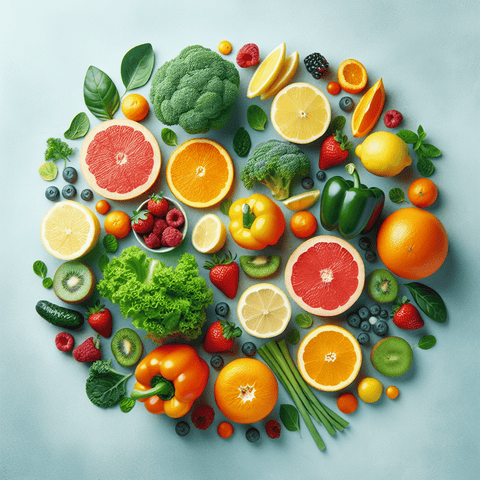
Esta página se centra en la idea de los alimentos antioxidantes y cómo pueden integrarse en la cocina cotidiana. Aquí encontrarás una visión general de qué significa el término alimentos antioxidantes y cómo está organizado este guía. En lugar de hacer afirmaciones, el contenido permanece descriptivo, enfocándose en la descripción, la categorización y las formas prácticas de pensar sobre los artículos considerados alimentos antioxidantes. Los alimentos antioxidantes se abordan en términos neutrales—centrándose en atributos como indicios de color, perfiles de ingredientes y cómo aparecen en diferentes contextos. Esta sección enfatiza cómo identificar y comparar opciones sin afirmar efectos específicos. El lenguaje se mantiene descriptivo, ayudando a los lectores a construir un marco claro para evaluar qué elementos entran en la categoría de alimentos antioxidantes. La orientación práctica se enfoca en cómo incorporar alimentos antioxidantes en comidas y meriendas de manera agradable. El énfasis está en el equilibrio de sabores, la variedad de texturas y la planificación, con métodos para organizar los alimentos en la rutina diaria. El objetivo es ofrecer ideas que los lectores puedan adaptar a sus propias preferencias y horarios, manteniendo siempre la discusión centrada en la descripción en lugar de resultados. En la sección de las mejores opciones, notas breves presentan los alimentos antioxidantes en un formato listo para usar, con descripciones simples y pistas prácticas. La página invita a los lectores a explorar diferentes posibilidades y comenzar a experimentar hoy, manteniendo un tono informativo y neutral. Este enfoque busca apoyar una exploración reflexiva de los alimentos antioxidantes sin realizar afirmaciones relacionadas con la salud.
Alimentos antioxidantes: las mejores opciones para potenciar la salud y combatir los radicales libres
Antioxidant foods are a broad and important part of a balanced diet. This guide explains what they are, why they matter, and how to include more of them in your everyday meals. You'll find a clear overview of the main types, their common sources, and practical considerations for making the most of them.
Understanding Antioxidants and Free Radicals
Antioxidants are compounds that can neutralize free radicals—unstable molecules produced naturally during metabolism and through exposure to environmental factors like pollution and UV radiation. When free radicals accumulate faster than the body can neutralize them, a state called oxidative stress occurs. Over time, oxidative stress is thought to contribute to the aging process and the development of various chronic conditions.
The body produces its own antioxidants, but it also relies on dietary sources. Plant foods are particularly rich in these compounds, which may explain why diets high in fruits and vegetables are consistently linked with better health outcomes. It's important to note that antioxidant activity is complex—different compounds work in different parts of the body and through different mechanisms, which is why variety matters more than focusing on any single nutrient.
Key Types of Antioxidants and Their Food Sources
Antioxidants come in many forms, each with distinct properties and food sources. While the list can seem long, understanding the major categories helps make sense of how they work and where to find them.
Vitamins with Antioxidant Activity
Vitamins are perhaps the most familiar antioxidants. Vitamin C, found in citrus fruits, berries, and bell peppers, is water-soluble, meaning it works in the watery parts of the body. Vitamin E, found in nuts, seeds, and vegetable oils, is fat-soluble and works within cell membranes. Beta-carotene, a precursor to vitamin A found in orange and yellow vegetables like carrots and sweet potatoes, also acts as an antioxidant.
For those interested in supplementing these nutrients, our vitamin C supplements and vitamin E supplements offer concentrated options, though a balanced diet should always come first.
Phytochemicals and Plant Compounds
Beyond vitamins, plants contain thousands of phytochemicals with antioxidant properties. These compounds give plants their color, flavor, and protection against environmental stressors. Major classes include flavonoids (found in berries, tea, and dark chocolate), carotenoids (found in tomatoes, carrots, and leafy greens), and polyphenols (found in coffee, red wine, and many fruits).
One widely discussed antioxidant is curcumin, the active compound in turmeric. It's a polyphenol with potent antioxidant activity, though its absorption is limited without black pepper. For those looking to explore this further, our curcumin supplements may be a relevant consideration.
Minerals with Antioxidant Roles
Some minerals act as cofactors for antioxidant enzymes in the body. Selenium, found in Brazil nuts, seafood, and eggs, is a key component of antioxidant enzymes. Manganese, found in whole grains and nuts, also plays a role. Copper and zinc, found in various foods, contribute to the body's antioxidant defense system as well.
The Color Cue: How to Identify Antioxidant-Rich Foods
A simple way to identify antioxidant-rich foods is by their color. The pigments that give plants their hues are often the same compounds that provide antioxidant benefits. Eating a rainbow of colors is a practical, memorable guideline:
- Red: Tomatoes, watermelon, pink grapefruit (lycopene)
- Orange/Yellow: Carrots, sweet potatoes, mangoes, apricots (beta-carotene)
- Green: Spinach, kale, broccoli, green tea (lutein, zeaxanthin, catechins)
- Blue/Purple: Blueberries, blackberries, eggplant, purple grapes (anthocyanins)
- Brown/White: Garlic, onions, mushrooms, dark chocolate (allicin, quercetin)
This color-based approach is easy to remember and encourages diversity. While not every colored food is necessarily high in antioxidants, choosing a variety of colorful plants is the most straightforward way to get a broad range of beneficial compounds.
Practical Considerations for Maximizing Antioxidant Benefits
Getting the most from antioxidant foods involves more than just eating them—how you choose, prepare, and combine them matters.
Fat-Soluble Pairings
Many antioxidants are fat-soluble, meaning they need dietary fat for proper absorption. Pairing carrots with olive oil, adding avocado to a spinach salad, or eating nuts with berries can significantly improve the uptake of these compounds. This is why traditional Mediterranean-style meals, which combine vegetables with olive oil, are so effective.
Cooking Method and Timing
Cooking affects antioxidant content differently depending on the food and the method. Some antioxidants, like lycopene in tomatoes, become more bioavailable after cooking. Others, like vitamin C, are sensitive to heat and are best consumed raw or lightly cooked. Steaming, roasting, and sautéing are generally preferable to prolonged boiling, which can leach water-soluble vitamins into the cooking water.
Fresh, Frozen, and Canned
Fresh, frozen, and canned produce all provide antioxidant benefits. Frozen fruits and vegetables are often picked at peak ripeness and flash-frozen, preserving their nutrient content well. Canned options are convenient but may contain added sugar, salt, or other ingredients—check labels and choose options without these additions whenever possible.
Supplements and Antioxidant-Rich Foods: A Balanced View
While antioxidant supplements are widely available, the scientific consensus strongly favors getting antioxidants from whole foods. Whole foods provide a complex mixture of compounds that work synergistically, and the body regulates their absorption and use more effectively than it does with isolated supplements. High doses of certain antioxidant supplements may be counterproductive in some contexts, which is another reason to prioritize food sources.
Supplements can be considered for specific circumstances, such as limited dietary variety or particular health concerns. Our natural supplement collection includes options that may complement a balanced diet. However, supplements should never replace a varied intake of whole foods. If you're considering antioxidant supplements, consult with a healthcare professional to determine what's appropriate for your individual needs.
How Much Do You Need? General Guidance
There is no single recommended daily amount for "antioxidants" because they comprise many different compounds. Instead, dietary guidelines emphasize overall patterns. Most health authorities recommend at least 5 servings of fruits and vegetables per day, and evidence suggests more variety within that is better. Whole grains, nuts, seeds, and herbs also contribute meaningful amounts.
A simple framework: aim for at least 3 different colored fruits or vegetables at each meal, include a handful of nuts or seeds most days, and use herbs and spices liberally in cooking. This approach naturally yields a diverse intake of antioxidants without requiring meticulous tracking.
Exploring Specific Antioxidant-Rich Foods Further
This guide provides a broad framework for understanding antioxidant foods. Each food category—berries, leafy greens, cruciferous vegetables, nuts, seeds, spices, and more—has its own unique profile of compounds and health considerations. The specific articles on this page explore individual foods and topics in greater detail, helping you build a more complete understanding of how different antioxidant sources fit into a healthy eating pattern.
As a general rule, the more varied your plant food intake, the more diverse your antioxidant intake. Rather than searching for a single miracle food, focus on building consistent, sustainable habits that include a colorful array of plant foods throughout your day.