
Esta página se centra en los efectos secundarios y la seguridad de la ashwagandha, ofreciendo una visión práctica de los riesgos, las interacciones y cómo usar esta hierba con precaución. El enfoque está en lo que muestra la ciencia sobre los posibles efectos adversos, cómo pueden ocurrir las interacciones y los pasos que puedes tomar para limitar el riesgo. El objetivo es presentar una perspectiva equilibrada y basada en la evidencia sin promover afirmaciones específicas de salud. Algunas personas deben tener mayor precaución o considerar evitar la ashwagandha. Se recomienda que las mujeres embarazadas o en período de lactancia eviten su uso. Quienes tienen condiciones autoinmunes o trastornos tiroideos pueden ser más sensibles a sus efectos, y cualquier persona con enfermedad hepática o función hepática deteriorada debería consultar a un profesional de la salud antes de usarla. Además, los datos sobre la seguridad a largo plazo son limitados, por lo que es recomendable vigilar cualquier síntoma nuevo y reevaluar el uso con el tiempo. La ashwagandha puede interactuar con otras sustancias y medicamentos, lo que es una consideración clave para la seguridad. Las posibles interacciones incluyen medicamentos recetados como fármacos para la tiroides, sedantes, inmunosupresores y anticoagulantes, así como otros productos herbales o suplementos. Debido a que las interacciones pueden alterar la forma en que funcionan estas sustancias, es importante informar a un profesional de la salud sobre todos los productos que estás usando y seguir las instrucciones etiquetadas. Los efectos adversos reportados con mayor frecuencia —como molestias gastrointestinales, somnolencia o reacciones cutáneas— son generalmente raros, pero deben ser atendidos, y se debe considerar interrumpir el uso si son severos o persistentes. Los consejos sobre dosis y uso seguro destacan la importancia de seguir las indicaciones del producto y su calidad. Comienza con la dosis más baja indicada en la etiqueta y evita exceder la cantidad recomendada, especialmente si tienes consideraciones de salud subyacentes o estás tomando otros medicamentos. Elige un producto confiable con pruebas transparentes de ingredientes y contaminantes, y ten en cuenta la variabilidad en el contenido de withaolida en diferentes preparaciones. Si notas síntomas nuevos o que empeoran, deja de usarlo y consulta a un profesional de la salud. Aunque la ciencia aporta cierta información sobre la seguridad, se necesita más investigación para caracterizar mejor los riesgos y las interacciones en diferentes patrones de uso.
Efectos secundarios y seguridad de la withania: Guía práctica sobre riesgos, interacciones y uso seguro
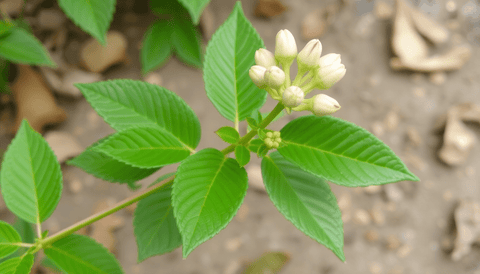
Ashwagandha, an herb with a long history in traditional wellness, is now a common supplement for those seeking support for stress and overall balance. While its popularity continues to grow, a clear understanding of ashwagandha side effects and safety is crucial for anyone considering its use. This guide provides a broad overview of the key safety aspects, including who should be cautious, potential interactions with medications, and practical steps for responsible use. The aim is to provide balanced, science-grounded information that helps you make an informed decision.
What Is Ashwagandha?
Ashwagandha (Withania somnifera) is an adaptogenic herb, a class of botanicals traditionally used to help the body manage stress. The plant's roots and leaves are used to make extracts, which contain active compounds known as withanolides. It is important to understand that 'adaptogenic' is a traditional classification, and the scientific evidence for how these herbs work is still a topic of research. When discussing ashwagandha, it is essential to focus on what is known about its safety profile rather than assume unverified benefits.
Important Safety Considerations and Who Should Avoid It
While ashwagandha is generally well-tolerated for short periods by many adults, it is not suitable for everyone. A key part of responsible use is recognizing the groups for whom its safety is not well-established or who may be at higher risk for adverse effects.
- Pregnant or Breastfeeding Individuals: It is typically advised to avoid ashwagandha during pregnancy and while breastfeeding due to a lack of sufficient safety data.
- People with Autoimmune Conditions: Ashwagandha may stimulate the immune system, which could theoretically worsen symptoms of conditions like rheumatoid arthritis, lupus, or Hashimoto's thyroiditis. Professional medical guidance is essential.
- Individuals with Thyroid Disorders: The herb may influence thyroid hormone levels and could interfere with thyroid function or the effectiveness of thyroid medications. Close monitoring by a healthcare provider is important.
- Those with Liver Conditions: There have been rare reports of liver injury associated with ashwagandha. Anyone with pre-existing liver disease should discuss use with their doctor and be vigilant for signs of liver issues, such as jaundice or dark urine.
This is not an exhaustive list. It is always prudent to consult with a qualified healthcare professional to determine if ashwagandha is appropriate for your individual health profile. For a broader look at herbal supplements and their general considerations, you can visit our herbal supplements guide.
Recognizing Potential Ashwagandha Side Effects
Most people do not experience severe side effects when using ashwagandha at recommended doses for a limited time. However, like all supplements, it can cause adverse effects in some individuals. Being aware of these possibilities helps with informed monitoring and appropriate action.
- Gastrointestinal Upset: This is among the more commonly reported issues and can manifest as stomach upset, diarrhea, or nausea.
- Drowsiness and Sedation: Some users report feeling overly sedated or drowsy, especially when taking higher doses. This is an important consideration, particularly for those taking other sedating substances.
- Skin Reactions: Though less common, skin rashes or itching have been reported.
If you experience any side effect that is severe, persistent, or concerning, it is recommended to stop taking ashwagandha and seek advice from a healthcare professional. The frequency and intensity of these effects are not clearly established in research, highlighting the need for careful self-monitoring.
Crucial Ashwagandha Interactions with Medications
Ashwagandha can interact with various prescription and over-the-counter medications, potentially altering their effectiveness or increasing the risk of adverse effects. Disclosing all supplements and medications to your doctor and pharmacist is a critical safety step.
The following groups of medications are a primary concern when combined with ashwagandha:
- Thyroid Hormone Medications: Ashwagandha may increase thyroid hormone levels, meaning a doctor needs to closely monitor and potentially adjust the dose of medications like levothyroxine to avoid hyperthyroidism.
- Sedatives and Central Nervous System Depressants: Because ashwagandha can cause drowsiness, combining it with sedatives, sleep aids, or anti-anxiety drugs could lead to excessive sedation and slowed breathing.
- Immunosuppressants: Given ashwagandha's potential to affect immune function, it might counteract the action of drugs that are intended to suppress the immune system, such as those taken after an organ transplant or to manage autoimmune diseases.
- Anticoagulants (Blood Thinners): There is a theoretical risk that ashwagandha could enhance the effects of blood thinners like warfarin, increasing the risk of bleeding and bruising. This interaction requires careful monitoring.
This list covers some of the most significant interactions. It does not include every possible substance. Always read product labels for warnings and consult your pharmacist or doctor about the complete list of everything you are taking.
Guidelines for Safe Use and Dosage
If you have consulted with a healthcare professional and decided to proceed with ashwagandha, following practical safety guidelines is key.
- Adhere to Label Instructions: Always start with the lowest dose suggested on the product label. Do not exceed the recommended amount, as higher doses do not necessarily offer more benefit and may increase the risk of side effects.
- Choose High-Quality Products: Select supplements from reputable brands that prioritize transparency. Look for those that conduct third-party testing for purity, potency, and to avoid contaminants like heavy metals. The withanolide content can vary significantly between products.
- Be Mindful of Dosage: If you are starting with a new product, a standard dose typically ranges from 300-600 mg of a standardized extract taken once or twice daily, but you should defer to the specific product label. Understanding the extract concentration is more useful than just the powder weight.
- Monitor Your Body's Response: Pay close attention to how you feel after starting the supplement. If you notice any new symptoms or if existing symptoms worsen, stop taking it and seek medical advice.
Exploring the safety and nutritional aspects of supplements is a core part of our mission. For more general wellness information, you might find our natural supplements collection helpful as you navigate your choices.
Addressing Common Safety Questions and Misconceptions
Several common questions often arise when discussing ashwagandha's safety, particularly around its long-term use and who should avoid it.
What Happens if Ashwagandha Is Taken Every Day?
The long-term safety of daily ashwagandha use is not well-established. Most studies are limited to a few months in duration. If you are considering taking it daily for an extended period, it is essential to have regular check-ins with a healthcare provider to monitor for any subtle health changes. Periodic breaks from supplementation is a strategy some people discuss with their doctor.
What Is the Controversy With Ashwagandha?
The 'controversy' surrounding ashwagandha primarily stems from gaps in research and inconsistent product quality. This includes anecdotal reports of adverse effects on liver function and the many unregulated products with wildly varying potencies available on the market. The discussion is not necessarily about the herb itself being 'bad', but rather the lack of standardized, high-quality, long-term evidence to definitively confirm its safety profile for all populations. For a more focused look at the products themselves, you can explore our dedicated ashwagandha supplements range.
Who Must Not Take Ashwagandha?
The groups for whom ashwagandha is generally contraindicated are clear: pregnant or breastfeeding women, individuals planning surgery (due to potential effects on the central nervous system), and people taking certain medications like sedatives or thyroid hormones. People with autoimmune diseases or liver problems should not take it without explicit approval and monitoring from their specialist.
Conclusion: Prioritizing Informed and Safe Use
Navigating the world of supplements requires a balanced approach rooted in safety. Ashwagandha may be a beneficial herb for some, but it is not without its risks and contraindications. By educating yourself on the potential side effects, understanding medication interactions, and following prudent dosage guidelines, you can make a well-informed choice. Remember that this information is educational and is not a substitute for tailored medical advice from a knowledgeable healthcare provider.