Fuentes principales de betacaroteno: 15 alimentos que aumentan tu vitamina A de forma natural


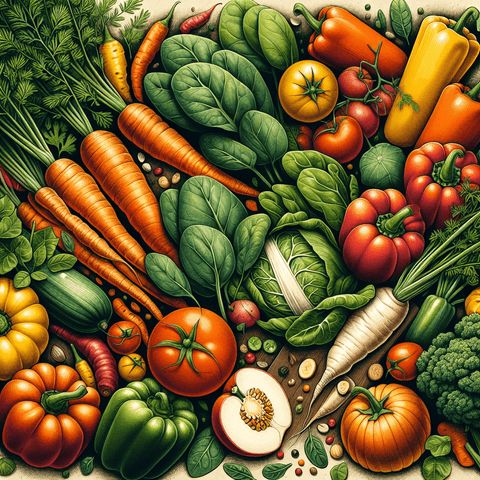
Descubre las 15 principales fuentes de betacaroteno que aparecen en diferentes cocinas y temporadas. Esta página se centra en el concepto de fuentes de betacaroteno y cómo se presentan en las comidas diarias. En lugar de nombrar ingredientes específicos, discutiremos cómo reconocer diferentes grupos de colores, texturas y formas que califican como fuentes de betacaroteno, y cómo pensarlas al planificar tus platos. Consejos rápidos para destacar fuentes de betacaroteno hoy: planifica un plato rico en colores para tus comidas, prepara en cantidad preparaciones sencillas que resalten estas fuentes, y ten a mano una lista rotativa de opciones habituales. Cuando hagas compras o busques recetas, busca variedad en tonos y formas para mantener las cosas interesantes. Pequeñas decisiones intencionales pueden ayudarte a ver más fuentes de betacaroteno en tu rutina sin cambiar radicalmente tu día. Cambios y adiciones sabrosas: experimenta intercambiando un ingrediente familiar por una opción más brillante, o añadiendo un color en contraste para un atractivo visual. Incorpora una fuente de betacaroteno en snacks o guarniciones, y explora cómo pequeñas sustituciones pueden renovar tus comidas diarias. El enfoque es mantener las comidas interesantes y equilibradas, explorando diferentes posibilidades ricas en color. Formas prácticas de maximizar tu ingesta hoy: haz una lista breve de fuentes de betacaroteno que te gustaría probar, planifica una semana de comidas alrededor de algunos grupos de colores diferentes, y guarda estos ingredientes de manera que se mantengan accesibles. Al crear una rutina sencilla que destaque la preparación fácil y el acceso rápido, puedes incorporar las fuentes de betacaroteno en la cocina cotidiana con un esfuerzo mínimo.


Which vegetable has more vitamin A? - Topvitamine
27 de October, 2025
La batata suele ser una de las verduras más ricas en provitamina A por ración, seguida de alimentos como la zanahoria, la col rizada, la espinaca y la calabaza. En esta guía explicamos la diferencia entre vitamina A y beta-caroteno, cómo cocinar y combinar estos alimentos para aprovecharlos mejor, qué frutas destacan y qué precauciones tener con los suplementos.
Which vitamin A is the best? - Topvitamine
25 de October, 2025
La mejor vitamina A depende de tu dieta, tus necesidades y tu estado de salud. El retinol es vitamina A preformada y el organismo puede utilizarlo directamente, mientras que el beta-caroteno procede principalmente de alimentos vegetales y se convierte según las necesidades del cuerpo. Esta guía compara ambas formas, explica sus fuentes y riesgos, responde preguntas frecuentes y ofrece criterios prácticos para elegir un suplemento de vitamina A.
What to eat for vitamin A deficiency? - Topvitamine
17 de October, 2025
Qué comer para la deficiencia de vitamina A depende de la causa y de la gravedad. Esta guía explica las diferencias entre retinol y betacaroteno, reúne alimentos de origen animal y vegetal, y ofrece ideas para mejorar la absorción. También revisa los síntomas posibles, los efectos del exceso de betacaroteno y las precauciones importantes con suplementos, embarazo, enfermedades y medicación.
Which vegetables are rich in vitamin A? - Topvitamine
16 de October, 2025
Las verduras ricas en vitamina A aportan sobre todo provitamina A, especialmente beta-caroteno, que el organismo puede convertir en vitamina A. Zanahoria, batata, calabaza y verduras de hoja verde son opciones destacadas. En este artículo encontrarás una lista práctica, consejos para mejorar la absorción, diferencias entre alimentos y suplementos, y respuestas sobre la deficiencia y el exceso de beta-caroteno.

What Are Beta-Carotene Sources?

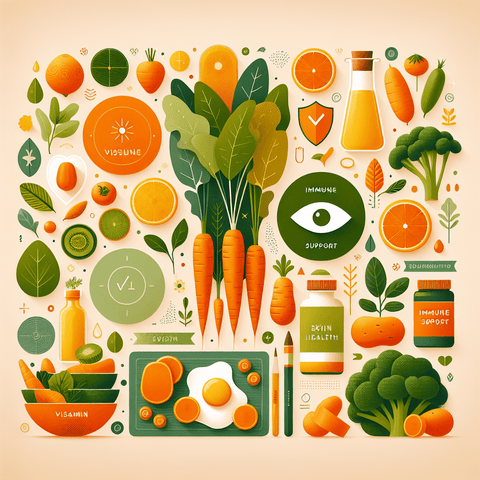
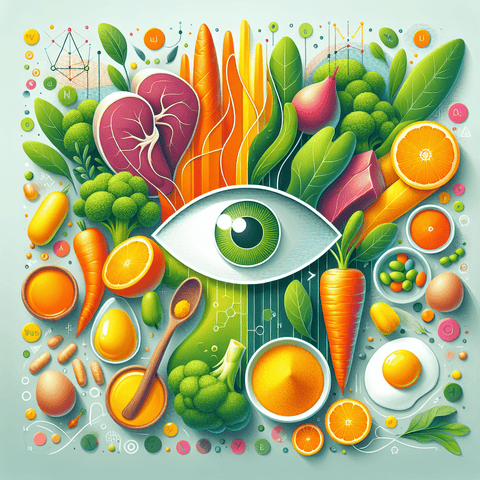
Beta-carotene is a pigment found in plants that gives many fruits and vegetables their rich colors. As a precursor to vitamin A, it plays a role in maintaining healthy skin, vision, and the immune system. This page provides a high-level overview of beta-carotene sources, how to identify them, and their broader role in nutrition.

While often referred to as a single nutrient, beta-carotene is one of over 600 carotenoids found in nature. Its presence is usually indicated by bright, deep colors such as those found in carrots, sweet potatoes, and leafy greens. This guide will explore the primary food groups and practical ways to incorporate them into a balanced lifestyle.

Top Food Groups Rich in Beta-Carotene

Identifying beta-carotene sources is usually as simple as looking at the color of the food on your plate. The most concentrated sources are found in colorful produce, which can be categorized into several key groups:

  • Orange and Yellow Vegetables: This category includes carrots, sweet potatoes, pumpkin, and butternut squash, which are among the most well-known sources.
  • Leafy Greens: Surprisingly, dark, leafy greens like spinach, kale, and Swiss chard are also excellent sources. The green chlorophyll masks the orange-yellow pigment of beta-carotene.
  • Red and Red-Orange Fruits: Cantaloupe, apricots, and pink grapefruit also provide beta-carotene. Tomatoes and red peppers contain it as well, though they also have other pigments.

For a broad spectrum of nutrients, it is beneficial to consume a variety of these colors, as each shade indicates a different profile of phytonutrients and antioxidants.

Maximizing Absorption of Beta-Carotene

Understanding the nature of beta-carotene can help you absorb more of it. Because it is a fat-soluble nutrient, its absorption into the bloodstream is improved when it is consumed alongside dietary fat. This doesn't call for unhealthy fats; rather, it suggests pairing carrots with a dip of olive oil, or adding spinach to an omelet. The method of preparation can also make a difference. For example, cooking and processing can break down cell walls, making the beta-carotene more accessible to the body.

It is also helpful to know that beta-carotene obtained from food is not associated with the risks of vitamin A toxicity, as the body converts what it needs and processes the rest. This is why eating a diet rich in these sources is generally considered safe and beneficial. For a practical guide, you can explore our curated vitamin A collection.

Understanding Beta-Carotene Supplements

While getting nutrients from whole foods is a primary goal, many people turn to supplements to meet their needs. Beta-carotene is available as a supplement, often in the form of capsules or softgels. However, it's important to distinguish between dietary sources and supplements. The body's absorption and use of a nutrient can differ between food and supplement forms. Before considering a supplement, it is vital to consult with a healthcare professional to see if it is appropriate. For those interested in antioxidant support, you may find our collection of antioxidant supplements to be a relevant resource.

Your Role in Personal Health

Understanding how to get beta-carotene from your diet is a great first step. However, every person's nutritional needs are unique. For some, a diet rich in fruits and vegetables may be sufficient. For others, particularly those with specific dietary restrictions, a supplement might be considered. Ultimately, making informed decisions about your health should be a collaborative process between you and a qualified healthcare provider.