
¿Por qué no se están absorbiendo tus medicamentos? Si la absorción parece ser inconsistente, estás enfrentando problemas de biodisponibilidad. La biodisponibilidad es la porción de un medicamento que se vuelve disponible en el cuerpo para tener un efecto. Cuando este proceso no funciona como se espera, pueden surgir problemas de biodisponibilidad que influyen en el desempeño de la medicación. Varios factores pueden causar problemas de biodisponibilidad, incluyendo cómo se formula un medicamento, cómo viaja a través de los sistemas del cuerpo y cómo es procesado por las diferencias individuales en el metabolismo. Otros obstáculos incluyen la variabilidad entre personas y la forma en que una medicación se libera o disuelve en el cuerpo. Comprender estas categorías amplias ayuda a entender por qué algunos medicamentos no se absorben como se anticipa. Los enfoques simples y no recetados que se discuten comúnmente en contextos clínicos se centran en colaborar con un profesional de la salud para revisar la formulación del medicamento, explorar alternativas y garantizar que el plan se ajuste a los patrones de procesamiento del cuerpo. Esto puede implicar considerar diferentes opciones de administración, verificar interacciones conocidas y mantener la consistencia en la gestión del régimen, todo bajo la guía de un profesional. Al reconocer los problemas de biodisponibilidad y mantenerse en contacto con tu equipo de atención médica, puedes adoptar un enfoque informado sobre cómo se usan tus medicamentos. Usa esta información para preparar preguntas, seguir el comportamiento de un régimen y participar en las decisiones sobre cómo manejar tu plan de tratamiento. La clave es entender los factores que influyen en la absorción y utilizar la orientación profesional para navegar las opciones.
Problemas de biodisponibilidad: por qué tus medicamentos no se absorben y cómo solucionarlo
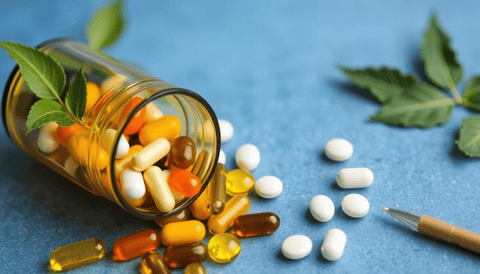
Bioavailability is a fundamental concept for anyone taking medication or supplements. It refers to the amount of a substance that enters your bloodstream and is available to have an active effect. Bioavailability problems occur when this process is less efficient than intended, meaning your body may not be getting the full dose from what you consume. This can make a medication seem less effective or a supplement appear underwhelming. This page explores the main reasons these problems happen, including formulation, biological differences, and interactions, and how you can approach these challenges with the help of your healthcare provider.
Defining Bioavailability and Its Core Problems
In simple terms, bioavailability is how much and how quickly a substance is absorbed and becomes available for the body to use. When discussing bioavailability problems, we're usually talking about a reduction in this availability. For medications, this could mean a drug is absorbed but broken down too quickly, or it is not absorbed at all. For supplements like vitamins and minerals, the same principles apply—their formulation can greatly affect how much of the nutrient your body actually receives.
Several broad factors are commonly responsible for these issues:
- Drug and supplement formulation: The chemical form of the ingredient, the presence of other binding agents, and the type of delivery system (tablet, capsule, liquid) all influence dissolution and absorption.
- Physiological variability: Individual differences in metabolism, gut health, age, and genetics can dramatically affect how a substance is processed. A 'one-size-fits-all' approach often fails due to this variability.
- Ingredient interactions: Certain foods, beverages, and other supplements can interfere with the absorption of a specific compound. This includes chelation (binding) with minerals, competition for transport mechanisms, and effects on stomach acid.
How Bodily Processes Affect Nutrient Absorption
Your body is a complex system designed to process what you consume, but this process isn't always perfectly efficient. The journey from ingestion to circulation involves several steps where challenges can arise. The digestive tract is not just a passive pipeline; it is an active barrier. For a substance to be bioavailable, it must survive the acidic environment of the stomach, evade degradation by digestive enzymes, and then pass through the intestinal wall.
This is where the concept of 'first-pass metabolism' is important. After being absorbed from the gut, substances are often shuttled directly to the liver, where they can be extensively metabolized. This means a significant portion of an active ingredient can be deactivated before it ever reaches general circulation. This natural process explains why different delivery methods, such as sublingual (under the tongue) or transdermal (through the skin), can sometimes offer higher bioavailability for certain compounds.
Formulation and Delivery: A Key Driver of Availability
Not all versions of a nutrient or medication behave the same way in the body. For example, the form of a mineral—such as magnesium citrate versus magnesium oxide—can have significantly different absorption rates. Similarly, whether a vitamin is fat-soluble (like Vitamins A, D, E, and K) and consumed with fat can impact its absorption. The choice of delivery on the shelf is often a matter of understanding these differences. This is a deep topic, and you can explore different nutrient categories like our selection of Vitamin D supplements or Magnesium supplements to see how different forms are offered.
Beyond the form itself, how a product is manufactured matters. Factors like particle size, whether the product is time-released, and the presence of absorption enhancers all play a role. This is why generic versions of a drug or different brands of a supplement can produce different results, even if the label says the same amount of active ingredient.
A Practical and Professional Approach to Fixing Absorption
If you suspect you have bioavailability problems, the most effective step is to have a detailed conversation with your doctor or pharmacist. They can review your current medication and supplement list to identify potential interactions. The conversation should cover areas such as:
- Timing: Does the substance need to be taken on an empty stomach or with food? Stomach contents can dramatically alter absorption for many compounds.
- Formulation: Would a different form of the medication (e.g., a liquid or a different salt form) be more appropriate for your needs?
- Interactions: Are there any known interactions with certain foods (like grapefruit juice) or other supplements you take, such as calcium or iron?
- Consistency: Sometimes the simplest fix is ensuring you take a dose at the same time every day to maintain consistent levels, under professional guidance.
Guiding Your Diet and Supplement Choices
While professional advice is paramount, understanding the principles of bioavailability helps you make better-informed choices. For instance, optimizing your dietary intake is the first step. The fat-soluble vitamins require dietary fat for absorption, and certain minerals like iron are better absorbed with Vitamin C. If you are considering supplements to help bridge any gaps, it is helpful to review general guides on multivitamins or other mineral supplements to understand the broader context of what is available. Remember that supplements are intended to complement a healthy diet, not replace it, and should be used with a clear understanding of their role.
By understanding the fundamentals of bioavailability and proactively discussing them with your healthcare team, you can take control of your health. You'll be better equipped to identify when a treatment isn't working, ask the right questions about your regimen, and make informed decisions that align with your body's unique needs. This knowledge ensures that the effort you put into your health is not lost at the point of absorption.