Desbloquea Enfoque y Memoria: Los Mejores Suplementos para la Salud cerebral
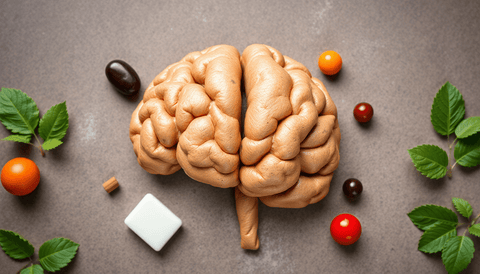

Bienvenido a nuestra guía sobre suplementos para la salud cerebral. Esta página se centra en el panorama de los suplementos para la salud del cerebro, con énfasis en ingredientes respaldados por la ciencia, reseñas imparciales y consejos prácticos para elegir los refuerzos adecuados. Nuestro objetivo es ayudar a los lectores a entender cómo se evalúa la evidencia y qué buscar al valorar productos, sin prometer resultados específicos. Los ingredientes respaldados por la ciencia desempeñan un papel central en las discusiones sobre suplementos para la salud cerebral. En este campo, ingredientes como citicolina (CDP-colina), fosfatidilserina, ácidos grasos omega-3, Bacopa monnieri, L-teanina y cafeína son comúnmente estudiados en investigaciones revisadas por pares. Presentamos cómo los investigadores evalúan estos ingredientes, incluyendo el diseño del estudio, las poblaciones estudiadas, los rangos de dosis y la duración del estudio. El enfoque está en describir el panorama de la evidencia y la calidad de los hallazgos, en lugar de respaldar algún efecto en particular. Las reseñas imparciales son una parte fundamental de nuestro enfoque hacia los suplementos para la salud cerebral. Buscamos la transparencia y el equilibrio, examinando investigaciones independientes, divulgando las fuentes de financiamiento y reportando tanto las fortalezas como las limitaciones de la evidencia disponible. Las reseñas deben incluir listas completas de ingredientes, aclarar el nivel de evidencia que respalda las afirmaciones y considerar posibles sesgos en los datos. Al ofrecer resúmenes equilibrados, pretendemos dotar a los lectores de una comprensión clara del estado actual del conocimiento sobre estos suplementos. Al elegir refuerzos, las consideraciones prácticas son importantes. Busque listas de ingredientes claras, dosis divulgadas y afirmaciones respaldadas por evidencia y fuentes confiables. Prefiera productos que pasen por pruebas de terceros y lleven certificaciones de calidad, y preste atención a la estabilidad de la formulación y al estado regulatorio en su región. Considere notas de seguridad y posibles interacciones con medicamentos. Aplicando un enfoque cuidadoso y basado en la evidencia, podrá comparar opciones dentro del ámbito de los suplementos para la salud cerebral y tomar decisiones informadas.


Vitamins for Brain Health and Memory Support | Topvitamine - Topvitamine
29 de August, 2025
Los suplementos para la salud cerebral pueden complementar una alimentación equilibrada, pero no existe una opción universal que mejore la memoria o prevenga la demencia por sí sola. Esta guía explica el papel de las vitaminas B, la vitamina D, el omega-3 y algunos ingredientes botánicos, además de sus fuentes alimentarias, criterios de compra y precauciones. También encontrarás respuestas claras sobre el mejor suplemento cerebral y la evidencia disponible.
The Surprising Benefits of Omega-3 Supplements for Everyday Wellness - Topvitamine
25 de August, 2025
Los suplementos de omega-3 aportan EPA y DHA, grasas que participan en la función normal del corazón, el cerebro, la retina y las membranas celulares. Pueden ser útiles cuando la dieta no proporciona suficiente pescado u otras fuentes, aunque no sustituyen una alimentación equilibrada ni un tratamiento médico. Esta guía explica sus posibles beneficios, diferencias entre EPA y DHA, criterios de elección y precauciones importantes.

Brain health supplements represent a broad category of products intended to support cognitive functions like memory, focus, and mental clarity. This guide provides an overview of this topic, explaining what these supplements are, the types of ingredients commonly found in them, and how to approach product selection with a focus on evidence and safety.

What Are Brain Health Supplements?

Brain health supplements are dietary products formulated with vitamins, minerals, herbal extracts, amino acids, or other compounds. They are designed to provide nutrients that may play a role in maintaining normal brain function. This category is distinct from pharmaceuticals; supplements are not intended to diagnose, treat, cure, or prevent any disease. Instead, they are used to fill nutritional gaps or to provide specific compounds that are studied for their potential effects on cognitive processes.

The market for these products is broad, ranging from single-ingredient supplements to complex formulations. Understanding the role of each ingredient and the quality of evidence behind it is essential for making informed choices.

Common Ingredients in Brain Health Formulas

Several ingredients are frequently found in brain health supplements. These ingredients have been studied to varying degrees for their potential roles in supporting cognitive health.

  • Omega-3 fatty acids (EPA and DHA, commonly from fish oil): Structural components of cell membranes, particularly DHA, which is abundant in brain tissue.
  • B vitamins: Including B6, B9 (folate, and B12, which are involved in homocysteine metabolism and neurotransmitter synthesis.
  • Vitamin E: An antioxidant that helps protect cells from oxidative stress.
  • Phosphatidylserine: A phospholipid component of cell membranes, studied for its potential role in memory function.
  • Citicoline (CDP-choline): A compound that may support acetylcholine production, a neurotransmitter involved in learning and memory.
  • Botanical extracts: Such as Bacopa monnieri, ginkgo biloba, and Panax ginseng, which have traditions of use and varying levels of scientific study.
  • L-theanine and caffeine: Often combined for their potential synergistic effects on alertness and focus.

For more detailed information on specific nutrient categories, you can explore our omega-3 supplements or our section on B vitamins.

How to Evaluate the Evidence

The effectiveness of a brain health supplement depends largely on the quality of scientific evidence supporting its ingredients. Not all ingredients have the same level of research backing.

When evaluating evidence, consider these factors:

  • Study design: Placebo-controlled, double-blind trials are generally considered more reliable than observational studies or anecdotal reports.
  • Population studied: Results may not be generalizable if the study was conducted on a specific group (e.g., older adults with memory complaints) rather than healthy individuals.
  • Dosage and duration: The amount of ingredient used and how long participants took it are critical for understanding whether a product is likely to have an effect.
  • Consistency of findings: Replication of results across multiple independent studies strengthens the overall evidence.

It is also important to distinguish between evidence that a nutrient is necessary for normal brain function and evidence that taking more of that nutrient will improve cognition beyond normal levels.

Practical Tips for Choosing a Product

Choosing a brain health supplement involves more than just looking at the ingredient list. Consider these practical steps:

  1. Read the full ingredient label: Check for exact dosages of active ingredients. Avoid proprietary blends that do not disclose individual amounts.
  2. Look for third-party testing: Certifications from independent organizations can indicate that the product meets quality standards for purity and potency.
  3. Check for quality certifications: Look for seals like GMP (Good Manufacturing Practice) or USP (United States Pharmacopeia).
  4. Consider formulation stability: Some ingredients may degrade over time. A reputable manufacturer will ensure proper stability testing.
  5. Review safety information: Be aware of potential side effects and interactions with medications. Always consult a healthcare professional before starting any new supplement, especially if you have underlying health conditions.

For a broader understanding of ingredient safety and sourcing, you may find our herbal supplements guide useful for context.

Common Questions About Brain Supplements

People often have questions about the overall usefulness of these products. Here are some high-level points to consider:

  • There is no single 'number one' brain supplement. The effectiveness of any product depends on its formulation, the quality of its ingredients, and the individual's nutritional status and health.
  • A balanced diet, regular exercise, adequate sleep, and mental stimulation are foundational for cognitive health. Supplements may play a supporting role but are not a substitute for a healthy lifestyle.
  • Interest in and willingness to try supplements is individual. A careful, evidence-based approach is the most reliable way to navigate the market.

This page serves as a starting point for understanding brain health supplements. For more specific information about a particular ingredient, a specific health concern, or a product comparison, explore the related articles listed on this page.