
Aprovecha las ventajas para la salud cardiovascular con pasos sencillos hacia un corazón más fuerte. Esta página resalta cómo hábitos diarios simples, orientación de expertos y acciones prácticas que puedes comenzar hoy mismo pueden moldear tu enfoque hacia la salud del corazón. Al centrarte en la consistencia y la claridad, puedes explorar cambios significativos que se adapten a tu vida. La idea es que las ventajas para la salud cardiovascular provienen de acciones pequeñas y repetibles que puedes mantener con el tiempo. Los hábitos diarios simples conforman una base confiable. Piensa en términos de un ritmo suave en lugar de una rutina rígida: períodos breves de actividad, respiración consciente, descanso regular y momentos para comprobar cómo te sientes. Por ejemplo, podrías estructurar una rutina que incluya unos minutos de actividad ligera, un ejercicio de respiración breve, una ventana de hora de dormir consistente y una rápida reflexión sobre tu día. Estos elementos apoyan un patrón estable que puedes repetir todos los días. Los consejos de expertos pueden ayudarte a adaptar tu enfoque. Busca orientación de profesionales confiables para alinear las acciones con tus preferencias, horarios y metas. Diseña un plan que sea factible, usa recordatorios y un diario sencillo para seguir tu progreso, y combina nuevos hábitos con rutinas existentes para mejorar la consistencia. Mantén expectativas realistas, realiza ajustes graduales y enfócate en pasos constantes y sostenibles en lugar de cambios rápidos. Las acciones prácticas que puedes comenzar hoy incluyen elegir un hábito simple para empezar, redactar un plan ligero para la próxima semana y configurar un sistema de recordatorios. Crea un registro diario corto para registrar si practicaste tu hábito elegido y considera una revisión breve con un profesional o entrenador para evaluar tu plan. A medida que desarrolles consistencia, reforzarás las ventajas para la salud cardiovascular que buscas, manteniéndote alineado con tu vida diaria.
Beneficios para la salud cardiovascular: pasos sencillos para un corazón más fuerte
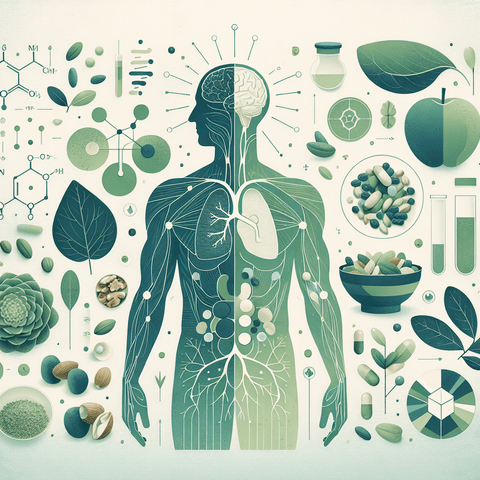
Cardiovascular health is one of the most important pillars of overall well-being. The term refers to the health of the heart and the network of blood vessels that pump and transport blood throughout the body. For many, the focus is on achieving cardiovascular health advantages—the positive outcomes associated with a well-functioning circulatory system. These advantages are not solely about avoiding illness, but about promoting energy, endurance, and long-term vitality. This guide provides a broad overview of the topic, touching on the core lifestyle factors, nutritional considerations, and the role of supplements.
Why Cardiovascular Health Matters
The cardiovascular system is the body's critical transport network. It delivers oxygen and vital nutrients to every cell while removing waste products. When this system operates efficiently, it supports everything from brain function to physical performance. Understanding why cardiovascular health is important is the first step in appreciating the value of preventative care. Good cardiovascular health is often associated with better energy levels, improved endurance, and a greater capacity for physical activity. It is a foundational element that influences how well the body responds to stress, fights off illness, and maintains homeostasis.
The factors that contribute to a healthy heart are interconnected. High-quality nutrition, regular physical activity, stress management, and adequate sleep form a powerful synergistic foundation. No single habit is a magic bullet; instead, the cumulative effect of these daily choices shapes long-term health. This holistic view is important because it empowers individuals to make gradual, sustainable improvements rather than seeking quick fixes. The journey toward cardiovascular health is a marathon, not a sprint, and it is built on consistency and informed decision-making.
Key Lifestyle Factors for a Stronger Heart
Achieving cardiovascular health advantages relies heavily on daily habits. These lifestyle factors are the most powerful and accessible tools available to most people. They form the 'first line of defense' and the primary framework for any heart-health plan. The most effective approach is a balanced one, integrating several different areas of health.
Daily Habits and Movement
Regular physical activity is a cornerstone of cardiovascular health. This does not mean you need to engage in rigorous exercise every day; rather, it is about incorporating consistent movement into your routine. Think of it as a gentle rhythm rather than a rigorous routine. This could include:
- Brief periods of light activity, such as walking or stretching.
- Intentional breathing exercises to reduce stress.
- Regular rest and a consistent bedtime window to support sleep.
- A quick reflection on your day to help manage mental load.
The key is to build a steady pattern you can comfortably repeat. Connecting new habits to existing routines can improve consistency. For example, you might take a short walk after lunch, or practice breathing exercises right after brushing your teeth. Over time, these small, repeatable actions become a dependable foundation for a healthier heart.
Stress Management and Mental Well-Being
The link between mental stress and cardiovascular health is significant. Chronic stress can influence habits and physiological processes, making stress management a critical component of heart health. Simple, practical techniques like mindfulness, meditation, or simply taking a few minutes for a short breathing exercise can be beneficial. The goal is not to eliminate stress, but to manage your response to it. Small, consistent efforts to unwind and check in with yourself can have a meaningful impact on your overall health and well-being.
Nutrition and Dietary Considerations
What you eat provides the building blocks for a healthy cardiovascular system. A balanced diet is one of the most effective ways to support heart health. While specific needs vary from person to person, several broad nutritional principles are widely considered important. This is where a general understanding of nutrients is helpful before considering specific supplements.
Foundational Nutrients for Heart Health
Several vitamins and minerals play a distinct role in supporting the function of the heart and blood vessels. A balanced diet rich in whole foods is the best way to obtain these. Key nutrients to be aware of include:
- Omega-3 fatty acids, often found in fish, which are known to support heart health.
- Magnesium, which is involved in many bodily functions, including muscle and nerve function.
- Potassium, a mineral that helps balance fluids and supports healthy blood pressure levels.
- Antioxidants, such as Vitamins C and E, which help protect cells from damage.
Rather than focusing on single nutrients in isolation, a 'food-first' approach is generally recommended. This means prioritizing a diet abundant in vegetables, fruits, whole grains, and lean proteins. Such a diet naturally provides a complex mix of nutrients that work together synergistically. For those who are unable to meet their nutritional needs through diet alone, exploring high-quality omega-3 supplements or a multivitamin guide can be a helpful consideration to ensure adequate intake of essential nutrients.
Supplements and Cardiovascular Support
Supplements are designed to complement a healthy lifestyle, not replace it. They can help address specific nutrient gaps in your diet. For cardiovascular health, certain supplements have gained attention for their potential supportive role. It is important to approach supplements with a focus on safety, quality, and regulation. They are intended for healthy individuals and are not a substitute for medical treatment.
When considering supplements, the goal is to support the body's natural processes. For instance, antioxidants play a general role in protecting cells from oxidative stress. Similarly, adequate magnesium intake is important for overall health, but the science is complex. It is always best to research a supplement thoroughly and consider advice from a healthcare professional to determine what, if anything, is appropriate for your individual situation. A prudent, informed approach is the most effective way to incorporate supplements into a heart-health strategy.
Exploring Key Questions in Heart Health
When learning about cardiovascular health, several common questions often arise. These questions help clarify the scope of the topic and highlight interesting connections between lifestyle and heart health. The goal here is to provide high-level, informative answers that lead to deeper exploration. It is important to note that individual results and needs vary.
How Does Lifestyle Compare to Diet?
A common question is whether exercise or nutrition is 'better' for the heart. The answer is that they are not in competition; they are complementary. You cannot easily 'out-exercise' a poor diet, and a good diet is not a substitute for the benefits of physical activity. They work together. Nutrition provides the necessary fuel and building blocks, while physical activity helps the cardiovascular system use that fuel efficiently and grow stronger. A balanced approach that includes both is the most effective strategy.
What is the Role of the Cardiovascular System?
Understanding the basics of the cardiovascular system helps contextualize why its health is so vital. The system consists of the heart, blood, and blood vessels. Its primary function is to deliver oxygen and nutrients to organs and tissues while removing carbon dioxide and waste. This continuous circulation is essential for supporting life and maintaining the function of every other system in the body. Exploring the five key facts about this system—its circulation loop, the heart's role as a pump, the network of vessels, the transportation of oxygen, and the removal of waste—provides a solid foundation for understanding overall health.
What Does Global Heart Health Look Like?
Looking at global health patterns can offer interesting insights. For example, there is often discussion about why certain populations, such as those in Japan, have different rates of heart disease. While this is a complex topic, factors like diet (high in fish and vegetables), active lifestyles, and strong community support are often cited as contributing factors. This example illustrates the powerful connection between lifestyle, culture, and health outcomes. It underscores the point that cardiovascular health is strongly influenced by everyday habits.
Building Your Personal Action Plan
Putting knowledge into practice is the final and most important step. The best plan is one that is personalized, realistic, and sustainable. Instead of overhauling your entire life overnight, the most effective path involves incremental changes. This practical approach helps build momentum and makes it easier to stick with new health habits over the long term.
Here are a few broad steps to consider when building your own approach:
- Start by choosing one simple habit to focus on, such as a short daily walk or adding a serving of vegetables to a meal.
- Draft a lightweight plan for the coming week. This might include scheduling movement or planning meals, but it should be simple and doable.
- Set up a reminder system, whether digital or physical, to help you remember your new habit until it becomes routine.
- Create a short daily log to capture whether you practiced your chosen habit, which can provide valuable insight and motivation.
- Consider a brief check-in with a professional or coach to review your plan and get personalized advice.
As you build consistency, you reinforce the cardiovascular health advantages you are aiming for. This journey is about progress, not perfection. Each small step is a valuable part of a larger, long-term strategy for a stronger and healthier heart.
Exploring the Topic Further
This guide offers a broad map of the cardiovascular health landscape. The topic is vast, and many specific areas—from particular nutrients to detailed lifestyle protocols—warrant deeper discussion. Use this page as a starting point to explore the dimensions of heart health. The more specific articles that accompany this guide will offer the detailed information needed to dive into individual parts of the map, empowering you to make informed decisions for your long-term well-being.