
La salud del jugo de zanahoria es un tema que atrae a lectores, desde principiantes curiosos hasta investigadores experimentados. Esta página explora lo que dice la ciencia sobre la salud del jugo de zanahoria y cómo abordar la información con un ojo crítico. En lugar de hacer afirmaciones, nos centramos en entender los tipos de evidencia, las preguntas comunes y los pasos prácticos que puedes tomar para participar en el tema de manera responsable. Al enfocar en fuentes creíbles y explicaciones claras, estarás mejor equipado para evaluar ideas que circulan sobre la salud del jugo de zanahoria. Consejos respaldados por la ciencia para evaluar la información sobre la salud del jugo de zanahoria: Comienza con estudios revisados por pares citados en revistas distinguidas. Verifica el diseño del estudio: ¿fue observacional o experimental? Busca tamaños de muestra, grupos de control y si los resultados han sido replicados. Considera posibles conflictos de interés y el proceso de revisión de la revista. Sé cauteloso con titulares sensacionalistas que prometen resultados dramáticos. Cuando encuentres nuevas afirmaciones sobre la salud del jugo de zanahoria, rastrea su origen hasta los datos originales y pregunta qué muestra realmente el estudio en lugar de lo que sugiere un titular. Este enfoque mantiene la salud del jugo de zanahoria en el ámbito de la investigación en lugar de la especulación. Formas prácticas, sin afirmaciones, de pensar en la salud del jugo de zanahoria en la vida diaria: Al elegir una preparación, se puede usar zanahorias frescas y agua simple o hielo para crear una bebida sencilla. Si prefieres mezclas, puedes experimentar con ingredientes complementarios y observar cómo cada opción cambia el sabor y la textura. Almacena el jugo preparado de forma segura en el refrigerador y desecha si aparecen signos de deterioro. Si compartes información sobre la salud del jugo de zanahoria en línea, enlaza a fuentes creíbles y evita respaldar declaraciones no verificadas. Al centrarte en cómo evaluar las pruebas y cómo abordar las ideas de manera responsable, puedes explorar la salud del jugo de zanahoria con claridad. Esta página busca ofrecer una orientación tranquila y consejos prácticos, ayudando a los lectores a abordar el tema con curiosidad y cautela. Si quieres aprender más, busca revisiones respetables e investigaciones primarias, y mantén la conversación basada en información verificable.
Propiedades del jugo de zanahoria para la salud: 7 beneficios sorprendentes para la energía, la piel y la inmunidad
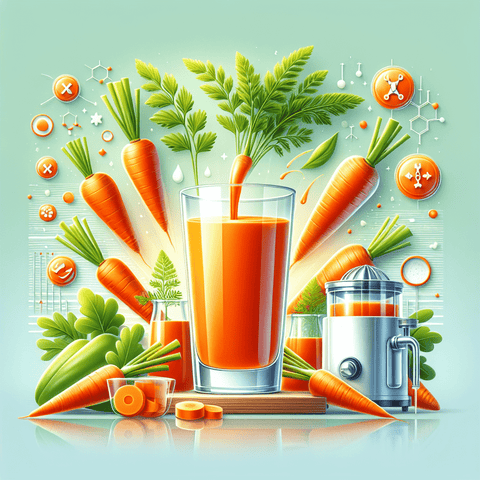
Carrot juice health is a topic that attracts a wide range of readers, from people curious about everyday nutrition to those looking for practical ways to include more vegetables in their diet. Carrot juice is made by extracting liquid from carrots, which concentrates many of the nutrients found in the whole vegetable. It is naturally rich in carotenoids such as beta-carotene, a precursor to vitamin A, and also provides vitamin C, potassium, and various plant compounds. Because of this nutrient profile, carrot juice is often discussed in relation to antioxidant support, skin health, and normal immune function.
This page serves as a broad topical hub for carrot juice health. It explains the main nutritional concepts, introduces the major subtopics, and provides high-level practical considerations. More specific questions, such as detailed comparisons between carrot juice and other juices, step-by-step preparation methods, or in-depth explorations of particular health conditions, are better suited to dedicated articles linked from this tag page.
What Is Carrot Juice and Why Is It Relevant to Health?
Carrot juice is the liquid obtained by pressing or blending fresh carrots. Unlike eating a whole carrot, juicing removes most of the fiber, leaving a beverage that is quicker to consume and easier to digest for some people. This concentration of nutrients and natural sugars is what makes carrot juice both appealing and worth understanding from a health perspective.
The main nutritional highlight of carrot juice is its carotenoid content, especially beta-carotene. Beta-carotene is converted by the body into vitamin A, which contributes to normal vision, skin maintenance, and immune function. Carrot juice also contains vitamin C, vitamin K, potassium, and small amounts of other vitamins and minerals. These nutrients are involved in normal physiological processes, but it is important to remember that no single food or beverage guarantees health outcomes.
Major Dimensions of Carrot Juice Health
Carrot juice health can be understood through several broad dimensions. These dimensions help organize the many questions people have and provide context for more specific topics covered in individual articles.
Nutritional Profile
The nutritional profile of carrot juice centers on carotenoids, but it also includes vitamins and minerals that contribute to normal body functions. The table below summarizes key nutrients typically found in carrot juice, though exact amounts vary based on carrot variety, juicing method, and whether the juice is fresh or processed.
- Beta-carotene and other carotenoids: precursors to vitamin A, involved in vision, skin, and immune function.
- Vitamin C: contributes to normal immune function and collagen formation.
- Potassium: supports normal muscle function and blood pressure regulation.
- Vitamin K: involved in normal blood clotting and bone health.
- Other phytonutrients: plant compounds with antioxidant properties studied for their role in health.
Potential Health Associations
Research has explored carotenoid-rich foods and juices in relation to several health areas. These studies often focus on associations rather than direct cause-and-effect. For example, diets rich in carotenoids have been associated with antioxidant status and cardiovascular health markers, but individual results vary. Similarly, carrot juice is sometimes discussed in the context of skin health and vision, largely because of its vitamin A precursor content. It is important not to interpret these associations as guarantees. More specific evidence is covered in dedicated articles on this site.
Safety and Moderation
Safety considerations around carrot juice health primarily involve vitamin A intake and sugar content. Beta-carotene from food sources is generally considered safe because the body regulates its conversion to vitamin A. However, consuming very large amounts of carrot juice over time can lead to caroteneemia, a harmless yellowish-orange discoloration of the skin. More concerning is preformed vitamin A (retinol) from supplements, which can reach toxic levels. For most healthy people, moderate carrot juice consumption as part of a varied diet is unlikely to cause vitamin A toxicity. The natural sugars in carrot juice can also affect blood sugar, particularly for people with diabetes or insulin resistance. Individual tolerance varies, and it is wise to consider portion size and frequency.
Daily Consumption and Timing
A common question is whether it is healthy to drink carrot juice every day. The answer depends on how much is consumed and what else is in the diet. A small serving of fresh carrot juice can be part of a balanced routine for many people, but drinking large amounts daily may displace other foods and increase sugar intake. As for timing, there is no strong evidence that morning or night is universally better. Some people prefer it in the morning for a nutrient boost, while others find it easier on the stomach earlier in the day. Personal preference and digestive comfort are reasonable guides.
Carrot Juice vs. Whole Carrots and Other Juices
Juicing removes most of the fiber found in whole carrots. Fiber contributes to satiety, digestive health, and a slower rise in blood sugar. As a result, whole carrots and carrot juice are not nutritionally identical. Carrot juice may be easier to consume in larger quantities, which can be an advantage or a disadvantage depending on individual goals. Compared with other juices, carrot juice tends to be lower in sugar than fruit juices but still contains natural sugars. These comparisons are explored in more detail in separate articles.
Practical Considerations for Including Carrot Juice in Your Diet
If you enjoy carrot juice, a few practical steps can help you include it sensibly. Start with a modest serving, such as 100–200 ml, and observe how you feel. Pair it with meals or snacks that contain protein or fat to help slow digestion. Choose fresh, properly stored juice and discard it if it shows signs of spoilage. If you are monitoring your vitamin A intake or blood sugar, consult a healthcare professional for personalized guidance. For those interested in broader nutritional support, exploring vitamin and mineral categories can provide useful context, such as our guide to vitamin A benefits, sources, and safety. If you are curious about antioxidant nutrients more generally, you may also wish to review our antioxidant supplement overview.
How Carrot Juice Health Relates to Broader Nutrition Topics
Carrot juice health does not exist in isolation. It connects to wider conversations about vitamin A, antioxidant nutrients, and overall dietary patterns. Many of the carotenoids in carrot juice are part of the broader antioxidant network that includes vitamins C and E, selenium, and other plant compounds. Understanding these relationships can help you see where carrot juice fits within a balanced diet. For a broader look at nutrient categories, you can explore our superfoods guide with EFSA-approved nutrient claims.
Exploring Carrot Juice Health Further
This tag page provides a high-level map of carrot juice health, covering nutrition, potential associations, safety, and practical considerations. More specific questions, such as detailed serving guides, comparisons with other juices, or investigations into particular health conditions, are addressed in the individual articles associated with this tag. As you explore those articles, keep in mind that nutrition science is evolving and that individual needs vary. For personalized advice, always consult a qualified healthcare professional.