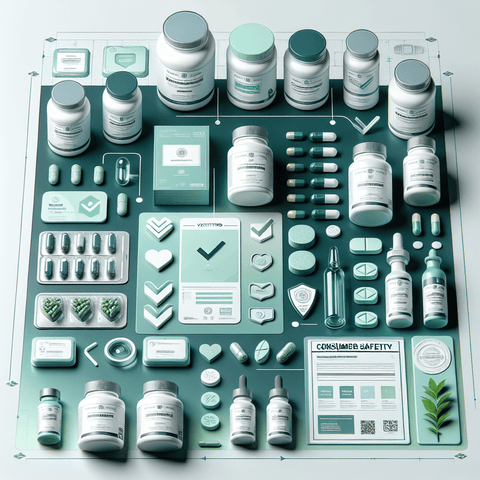
Un suplemento auténtico coincide con lo que declara su etiqueta: ingredientes, formas y cantidades, sin sustancias no indicadas y con una calidad consistente. Como los complementos alimenticios no suelen someterse a una aprobación previa de cada producto antes de su comercialización, conviene que el comprador compruebe su procedencia y etiquetado. Ninguna señal aislada garantiza la autenticidad, pero revisar el envase, el vendedor, el precio y las pruebas de calidad puede reducir el riesgo.
Qué significa la autenticidad en los suplementos alimenticios
La autenticidad implica que el contenido se corresponde con la etiqueta en ingredientes, formas químicas y cantidades, y que no contiene sustancias no declaradas. También supone que el producto se conserva dentro de su fecha indicada y que existe coherencia entre lotes. No es lo mismo que la eficacia: un producto auténtico no garantiza por sí solo un resultado concreto.
Los términos relacionados describen problemas distintos, aunque pueden solaparse:
- Falsificados: imitan una marca o producto legítimo y pueden tener un contenido desconocido.
- Adulterados: incluyen sustancias no declaradas, que en algunos casos pueden ser fármacos o estimulantes.
- Con etiquetado engañoso: la información puede ser incompleta o no reflejar correctamente los ingredientes o sus cantidades.
- Caducados: han superado la fecha indicada; con el tiempo, algunos ingredientes pueden perder estabilidad o potencia.
En muchos mercados, los complementos se regulan como alimentos y no pasan por el mismo proceso de aprobación previa a la venta que los medicamentos. Por eso, la trazabilidad, los controles de calidad y la verificación por parte del comprador son especialmente relevantes.
Por qué la autenticidad importa para tu salud y tu bienestar
Los análisis de productos falsificados o de origen dudoso han identificado desde rellenos con poco o ningún aporte nutricional hasta ingredientes farmacológicos no declarados y contaminación. Un producto con una apariencia convincente también podría contener menos cantidad de un ingrediente de la anunciada, lo que dificulta saber qué se está tomando. Estas posibilidades no significan que todo producto sin una certificación sea inseguro, pero sí justifican comprobar su procedencia.
Dentro de un falso: rellenos, fármacos ocultos y contaminantes
Entre los problemas detectados en algunos productos falsificados están los rellenos que sustituyen parcial o totalmente los ingredientes anunciados, los fármacos no declarados y los contaminantes. La sibutramina, un fármaco retirado, se ha encontrado en algunos productos para adelgazar comercializados de forma irregular. También puede haber contaminación por metales pesados o microorganismos cuando los controles de fabricación son deficientes.
Dosis insuficientes y contaminación: los costos más sutiles
Un producto con una cantidad inferior a la indicada puede parecer normal a simple vista y, sin embargo, no aportar la cantidad que el usuario espera. La contaminación o los alérgenos no declarados tampoco siempre se detectan al abrir el envase; la relevancia del riesgo depende de la sustancia y de la persona. La calidad y la trazabilidad importan especialmente cuando se usa un producto de forma habitual.
Lo que las falsificaciones cuestan más allá del dinero
Además del coste económico, un producto ineficaz puede consumir tiempo y generar desconfianza o frustración. Si alguien aumenta por su cuenta la cantidad porque no observa el efecto esperado, puede exponerse a un uso inadecuado. Los suplementos no deben retrasar una evaluación profesional cuando existe una preocupación de salud.
Cómo saber si un suplemento es falso: señales de alerta antes de comprar
Antes de comprar, revisa el envase, los datos de la etiqueta, la reputación del vendedor y si el precio resulta verosímil. Ninguna señal prueba por sí sola que un suplemento sea falso, pero varias anomalías juntas merecen cautela.
- Precintos de seguridad rotos, manipulados o ausentes.
- Impresión borrosa, errores ortográficos o un diseño que no coincide con las imágenes oficiales.
- Falta de número de lote, fecha de caducidad o identidad del fabricante.
- Precio muy inferior al habitual para ese producto, sin una explicación clara.
- Vendedor desconocido, tienda recién creada o una oferta de venta al por mayor poco transparente.
Señales de alerta en el envase y la etiqueta
Comprueba que aparezcan el nombre del producto, la lista de ingredientes, las cantidades o la información nutricional correspondiente, las instrucciones y advertencias aplicables, y los datos del fabricante o responsable. El lote permite identificar una partida concreta y resulta importante para la trazabilidad; si falta, es más difícil consultar su origen o comunicar un problema. Revisa también que el envase esté íntegro y que la fecha sea legible.
Señales de alerta en el vendedor y el precio
Un precio excepcionalmente bajo puede ser motivo para investigar, aunque las ofertas por sí solas no demuestran que haya una falsificación. Da prioridad a vendedores que puedan identificarse y confirmar su relación con la marca. Los productos muy demandados o difíciles de encontrar pueden atraer a vendedores no autorizados; en esos casos, verifica la procedencia antes de pagar.
Cambios de aspecto, olor, sabor o textura
Un cambio inesperado de color, olor, sabor o textura, así como grumos, humedad o un envase dañado, puede deberse a degradación, almacenamiento inadecuado o manipulación. No permite determinar por sí solo la causa. Si observas una anomalía, evita seguir usando el producto hasta aclararla y contacta con el fabricante, indicando el número de lote y dónde lo compraste.
¿Caducan los suplementos? Cómo leer las fechas
Sí. La fecha de caducidad o de consumo preferente indica hasta cuándo el fabricante respalda la calidad del producto si se conserva en las condiciones indicadas. Tras esa fecha, algunos ingredientes pueden perder estabilidad o potencia, y no conviene asumir que el producto mantiene las características anunciadas. Lee la fecha junto con las instrucciones de conservación y desconfía de ofertas que no aclaren que el lote está próximo a caducar.
Por qué existen los suplementos falsificados y adulterados
La fabricación y distribución pueden implicar numerosos intermediarios y países, lo que hace más difícil seguir cada etapa. El desvío de mercancía genuina, las importaciones fuera de los canales oficiales y el reenvasado pueden debilitar la trazabilidad. Los productos para perder peso, mejorar el rendimiento o la función sexual, además de las marcas con mucha demanda, pueden resultar atractivos para quienes buscan aprovechar la confianza del consumidor.
Lagunas en la cadena de suministro global
Un producto puede pasar por fabricantes, distribuidores, importadores y comercios antes de llegar al comprador. En cada traspaso puede resultar más difícil confirmar quién lo manipuló o almacenó. Los envíos transfronterizos y la documentación incompleta pueden complicar la identificación del origen, por lo que comprar en canales trazables es una medida práctica.
Vendedores externos, mercado gris y productos reenvasados
En algunos marketplaces, el mismo anuncio puede reunir ofertas de distintos vendedores, por lo que conviene comprobar quién realiza realmente la venta y el envío. Los productos de canales no oficiales pueden haber tenido condiciones de almacenamiento distintas o perder información sobre su procedencia. El reenvasado también puede impedir verificar que el contenido corresponda al envase original.
Las categorías más atacadas por los falsificadores
Los productos para adelgazar, mejorar el rendimiento o la función sexual pueden atraer falsificaciones o adulteraciones porque algunas personas buscan resultados rápidos. También pueden imitarse marcas populares. Los productos a base de plantas requieren una identificación botánica fiable: los nombres comunes pueden ser ambiguos y una etiqueta no permite confirmar por sí sola qué especie se ha utilizado.
Por qué los riesgos de autenticidad no son iguales para todos
Un ingrediente no declarado puede tener implicaciones diferentes según la medicación, el estado de salud, la edad o la sensibilidad de cada persona. Los alérgenos no indicados y las sustancias prohibidas en el deporte también pueden ser especialmente relevantes para algunos consumidores. La autenticidad y la transparencia no sustituyen la revisión profesional cuando existe una situación de salud particular.
Si tomas medicamentos o controlas una afección de salud
Los ingredientes no declarados pueden interactuar con medicamentos, y el riesgo puede ser más difícil de valorar si se desconoce la composición real. Si tomas medicación con receta o controlas una afección, consulta con un médico o farmacéutico antes de iniciar un suplemento y comparte la lista completa de productos que utilizas.
Embarazo, desarrollo temprano y vejez
Durante el embarazo es importante revisar los ingredientes y las cantidades: un exceso de ciertos nutrientes, como la vitamina A en determinadas formas, puede ser motivo de preocupación, y la contaminación añade una incertidumbre evitable. En la infancia y la vejez, las necesidades y la tolerancia pueden variar. En estas etapas, conviene consultar con un profesional antes de usar suplementos.
Deportistas y profesionales sometidos a controles
Un producto contaminado con una sustancia prohibida puede tener consecuencias para deportistas sujetos a controles, incluso si esa sustancia no figura en la etiqueta. Algunos programas, como Informed Sport, analizan productos o lotes frente a sustancias prohibidas según los criterios del programa. Comprueba el alcance y la vigencia de la certificación directamente en la base de datos del certificador.
Alergias y dietas especiales
Un alérgeno no declarado puede representar un riesgo importante para una persona alérgica. Si sigues una dieta especial o tienes enfermedad celíaca, revisa tanto los ingredientes como las advertencias sobre posibles trazas y las prácticas de gestión de alérgenos. La información de terceros puede aportar comprobaciones adicionales, pero no reemplaza la lectura de la etiqueta ni confirma que todas las necesidades individuales estén cubiertas.
Hábitos cotidianos que te protegen: alimentación, compra segura y almacenamiento
Una alimentación variada puede aportar muchos nutrientes y ayuda a poner en contexto la necesidad de cualquier suplemento. Si decides comprar uno, elige canales con datos claros de procedencia y sigue las condiciones de conservación. Al recibirlo, dedica unos minutos a comprobar los elementos básicos antes de usarlo.
Primero la alimentación
Los alimentos ofrecen nutrientes dentro de una dieta global, por lo que un suplemento no debería ser la base de la alimentación. La necesidad de complementar depende de factores individuales y no se deduce solo de una etiqueta atractiva o una promesa comercial. Si te preocupa una posible carencia, consulta si procede una evaluación con un profesional.
Dónde comprar suplementos de forma segura
La web oficial de la marca, las farmacias autorizadas y los minoristas que la marca reconoce suelen ofrecer mejores vías para confirmar la procedencia. En redes sociales o marketplaces, comprueba la identidad del vendedor y no te bases únicamente en imágenes, comentarios o afirmaciones promocionales. Si tienes dudas, pregunta directamente al fabricante si ese vendedor está autorizado.
Errores de almacenamiento y cómo evitarlos
El calor, la humedad y la luz pueden afectar a la estabilidad de algunos ingredientes. Conserva el producto según las instrucciones de su etiqueta, mantén el envase bien cerrado y evita lugares húmedos o expuestos al sol, como ciertos baños o vehículos. Si el fabricante indica refrigeración, sigue esa instrucción y evita cambios de temperatura innecesarios.
Comprobación de autenticidad en casa
Al recibir el producto, comprueba que el precinto esté intacto y compara el envase con las imágenes de la web oficial. Revisa el lote, la fecha, la identidad del fabricante y cualquier sello de certificación en la base de datos del organismo correspondiente. Si compraste a un tercero, confirma que sea un vendedor autorizado; ante una discrepancia, contacta con la marca antes de consumirlo.
Qué tienen en común los suplementos genuinos de alta calidad
La transparencia sobre la fabricación, la composición y el lote facilita la evaluación de un producto. Los análisis independientes y ciertos programas de certificación pueden aportar información adicional sobre calidad, pero su alcance varía. Una certificación no demuestra que un suplemento sea eficaz para un objetivo de salud concreto.
Qué verifican los análisis de terceros
Según el análisis o programa, las comprobaciones pueden incluir identidad —si el ingrediente corresponde al declarado—, potencia —si su cantidad se ajusta a lo indicado— y pureza —si se controla la presencia de contaminantes relevantes—. Consulta qué pruebas se realizaron, sobre qué producto o lote y con qué criterios. Estos controles pueden respaldar la calidad, pero no garantizan un beneficio particular.
USP frente a NSF frente a Informed Sport
USP y NSF ofrecen programas de verificación con criterios propios que pueden abordar aspectos de identidad, contenido o calidad, según el programa concreto. Informed Sport se centra en el análisis frente a sustancias prohibidas en el deporte. Los alcances no son intercambiables: verifica el sello y el producto específico en la fuente oficial del certificador, especialmente si compites y estás sujeto a controles.
cGMP, Certificados de Análisis y transparencia por lote
Las buenas prácticas de fabricación vigentes, conocidas como cGMP, se refieren a prácticas y controles del proceso de producción; por sí solas no certifican la eficacia del producto. Un Certificado de Análisis (CoA) útil identifica el producto y, cuando corresponde, el lote analizado, e indica los ensayos y resultados. La transparencia sobre lotes y controles facilita hacer preguntas concretas al fabricante, aunque ningún documento aislado sustituye una evaluación completa.
Cómo comprar suplementos online de forma segura: lista de verificación
Antes de decidir, comprueba quién vende el producto y quién lo fabrica; después revisa las pruebas disponibles y si la formulación se ajusta a tus necesidades. Lee la etiqueta completa, incluidas las cantidades, los alérgenos y los ingredientes añadidos. Para comparar dosis o formas de nutrientes, consulta referencias fiables y pide orientación profesional si hay dudas.
- Verifica al vendedor y al fabricante antes de comprar.
- Solicita, si está disponible, un Certificado de Análisis correspondiente al lote.
- Comprueba los sellos en la base de datos oficial del certificador.
- Compara las cantidades con referencias nutricionales reconocidas y evita asumir que una dosis mayor es mejor.
- Revisa la lista completa de ingredientes, no solo los componentes destacados en el frontal.
Verifica al vendedor y al fabricante
Busca el nombre de una empresa identificable, datos de contacto y atención al cliente accesible. Comprueba en la web de la marca si el vendedor está autorizado y pregunta al fabricante si no puedes confirmarlo. Una página web bien diseñada, por sí sola, no demuestra que una tienda sea legítima.
Exige pruebas: sellos, certificados y números de lote
Revisa si el producto lleva un sello verificable y consulta el registro del certificador, ya que un logotipo impreso no confirma por sí mismo una certificación vigente. Si el fabricante ofrece un CoA, comprueba que corresponda al producto y, cuando sea posible, al lote que vas a comprar. La presencia del número de lote ayuda a identificar la partida, pero no prueba por sí sola su autenticidad.
Forma del ingrediente, dosis y biodisponibilidad
Un mismo nutriente puede presentarse en distintas formas químicas, que pueden diferir en características de absorción, tolerancia o uso. La forma adecuada depende del ingrediente y del contexto; no hay una opción universalmente superior. Compara la cantidad por porción y evita las megadosis sin una razón clara, ya que una dosis mayor no implica necesariamente un beneficio añadido.
Nutrientes individuales frente a combinados y formatos
Un nutriente individual puede facilitar el control de la composición, mientras que una fórmula combinada reúne varios ingredientes en un mismo producto. La elección depende de la necesidad y de la posibilidad de duplicar nutrientes al combinar productos. Cápsulas, comprimidos, polvos y líquidos pueden diferir en facilidad de uso; las gominolas, por ejemplo, pueden incluir azúcares u otros ingredientes añadidos, así que conviene leer la etiqueta.
Cómo leer la etiqueta de un suplemento en busca de pistas de autenticidad
La etiqueta permite contrastar qué declara el fabricante, aunque no verifica por sí sola el contenido. Lee la información sobre la porción, las cantidades, los ingredientes, las advertencias y los datos de trazabilidad. Desconfía de promesas de tratar o curar enfermedades y de etiquetas que no permiten saber con claridad qué contiene el producto.
El panel de Supplement Facts
En algunos mercados, el panel llamado Supplement Facts indica el tamaño de la porción, las cantidades de los nutrientes y el porcentaje del valor diario de referencia, que puede aparecer como %DV. En España y otros países europeos suelen utilizarse denominaciones y referencias como los valores de referencia de nutrientes (VRN). Comprueba cuántas cápsulas o comprimidos forman una porción: no siempre equivale a una sola unidad.
Mezclas propietarias y tácticas de etiquetado
Una mezcla propietaria agrupa varios ingredientes bajo un nombre común y puede indicar el peso total sin detallar la cantidad de cada componente. Esto dificulta comparar dosis y valorar la fórmula, sobre todo si contiene muchos ingredientes. No demuestra que el producto sea falso, pero es razonable buscar una composición más transparente o pedir información al fabricante.
Alegaciones de estructura-función frente a alegaciones de salud
Las alegaciones sobre funciones normales del organismo y las alegaciones de salud están sujetas a reglas distintas según el mercado. Las afirmaciones de que un suplemento trata, cura o previene una enfermedad son una señal de alerta importante y pueden no ser apropiadas para un complemento alimenticio. Las promesas extraordinarias tampoco sustituyen pruebas verificables de composición y calidad.
Detalles que toda etiqueta legítima incluye
Comprueba que el envase identifique el producto y al fabricante o responsable, incluya la lista de ingredientes y las instrucciones pertinentes, y muestre un número de lote y una fecha legibles. Los requisitos concretos pueden variar según el país y el tipo de producto. La falta de datos esenciales o la imposibilidad de identificar a la empresa justifican consultar al fabricante antes de comprar o consumir.
Seguridad de los suplementos: interacciones, límites superiores y cuándo consultar a un profesional
La seguridad depende del ingrediente, la cantidad, otros productos utilizados y la situación personal. Algunos nutrientes tienen niveles máximos de ingesta establecidos por autoridades sanitarias, pero el valor aplicable varía según el nutriente y la población. No es posible valorar una combinación solo por su etiqueta: consulta con un profesional si tomas medicamentos, tienes una afección o estás en una etapa que requiere cuidados específicos.
Interacciones con medicamentos
Algunos suplementos pueden influir en el efecto de medicamentos. Por ejemplo, la vitamina K puede ser relevante para quienes toman warfarina, por lo que conviene consultar antes de cambiar su ingesta. Lleva a las citas una lista completa de suplementos, plantas y medicamentos, incluidos los productos que se toman ocasionalmente.
Niveles superiores de ingesta
Las autoridades establecen límites superiores tolerables para algunos nutrientes, pero no existe un único límite aplicable a todos. Consulta referencias oficiales para el nutriente y grupo de edad pertinentes, o pide orientación a un profesional. Revisa también si varios productos aportan el mismo nutriente: sumarlos puede elevar la ingesta total sin que resulte evidente.
Situaciones que requieren orientación profesional
Antes de usar suplementos durante el embarazo o la lactancia, antes de una cirugía o si tienes una afección crónica o tomas medicación, consulta con un médico o farmacéutico. La evaluación profesional permite valorar el producto y el contexto, sin sustituir el seguimiento indicado para tu salud.
Cuándo un «efecto secundario» puede ser un problema de calidad
Una reacción inesperada no permite saber si la causa es el ingrediente, una interacción, una sensibilidad individual o un problema de calidad. Si notas síntomas preocupantes o el producto presenta cambios inusuales, deja de usarlo y busca consejo médico; ante síntomas graves, solicita atención urgente. Conserva el envase y anota el lote para facilitar la consulta con el profesional y el fabricante.
La decisión: ¿necesitas un suplemento y puedes confiar en el que elijas?
La decisión depende de la alimentación, las necesidades individuales y la calidad verificable del producto. Los suplementos pueden servir como apoyo nutricional cuando existe una razón concreta, pero no sustituyen una dieta equilibrada ni un tratamiento médico. Si planeas tomar uno de forma habitual, considera consultar con un profesional y valorar si hace falta una evaluación, como análisis de laboratorio.
Cuándo probablemente basta con la alimentación
Si sigues una alimentación variada y no hay una necesidad identificada, puede que no necesites añadir otro producto. La decisión no debe basarse únicamente en una prueba o un valor aislado: interpreta los resultados con un profesional cuando corresponda. Antes de comprar un suplemento por una promesa general, puede ser más útil revisar la variedad y calidad de los alimentos que forman tu dieta.
Cuándo añadir un suplemento verificado es razonable
Un suplemento puede ser una opción razonable cuando hay una necesidad concreta y bien valorada, por ejemplo, una ingesta insuficiente o una carencia identificada por un profesional. Antes de iniciar un uso habitual, pregunta si procede confirmar esa necesidad mediante evaluación o análisis, y revisa la composición, la cantidad, la procedencia y las posibles interacciones. La autenticidad ayuda a saber qué contiene el producto, pero no convierte un suplemento en un tratamiento.