Alivio de Problemas Digestivos: Soluciones Simples y Efectivas Que Puedes Probar Ahora


Si estás enfrentando problemas digestivos, no estás solo. Esta página ofrece ideas rápidas y prácticas que puedes probar hoy mismo, enfocándose en remedios suaves, ajustes simples en la dieta y estrategias caseras que puedes experimentar por ti mismo. El objetivo es ayudarte a pausar, observar y responder de maneras que se sientan manejables y estables, incluso cuando los síntomas estén presentes. Aunque cada cuerpo es diferente, estos enfoques se centran en rutinas prácticas que puedes comenzar de inmediato. Los remedios suaves pueden ser un punto de partida para muchas personas que enfrentan problemas digestivos. Intenta incorporar respiraciones calmadas y lentas, movimientos suaves y momentos de calor o silencio en tu día. Crear un ambiente cómodo y predecible también puede apoyar una sensación de calma. Mientras experimentas, observa cómo responde tu cuerpo y ajusta a tu propio ritmo—hay valor en encontrar lo que te resulta más supportive en el momento. Los ajustes en la dieta, abordados con curiosidad en lugar de reglas estrictas, pueden formar parte de tu plan. Considera explorar patrones relacionados con las comidas, como horarios regulares de comida y porciones razonables, y reflexiona sobre cómo estos patrones se relacionan con tus experiencias digestivas. Un diario simple de síntomas puede ayudarte a observar posibles conexiones entre tus rutinas diarias y cómo te sientes, sin centrarte en un alimento o regla específica. El énfasis está en la conciencia y en la introspección personal, más que en recomendaciones universales. Las estrategias caseras ofrecen formas accesibles y cotidianas de abordar los problemas digestivos. Piensa en establecer rutinas de sueño consistentes, gestionar el estrés con técnicas básicas y añadir actividades suaves y amigables para el cuerpo, según tu energía y comodidad. Construir un ritmo diario calmado y predecible y tomar notas sobre lo que pruebes puede capacitarte para comprender qué funciona para ti. Si los síntomas persisten, empeoran o te preocupan, considera consultar a un profesional de la salud para obtener orientación personalizada.


9 Symptoms Linked to Poor Nutrient Absorption - Topvitamine
27 de April, 2026
La falta de absorción de nutrientes, o malabsorción, ocurre cuando el cuerpo no digiere o no aprovecha correctamente las vitaminas, minerales, proteínas, grasas o azúcares de los alimentos. Este artículo explica qué es, qué nutrientes pueden afectarse y por qué —celiaquía, Crohn, SIBO, insuficiencia pancreática u otras causas—, qué síntomas pueden sugerirla, qué pruebas se utilizan para detectarla y qué opciones de tratamiento existen, con pautas claras sobre cuándo acudir al médico.
What are the signs of an unhealthy gut? - Topvitamine
11 de February, 2026
Las señales de un intestino insalubre pueden incluir hinchazón, gases, estreñimiento, diarrea o cambios persistentes en el ritmo intestinal. También pueden aparecer cansancio o sensibilidad alimentaria, aunque estos síntomas no permiten identificar por sí solos una causa concreta. En esta guía aprenderás a reconocer las señales de alerta, cuidar la microbiota intestinal mediante alimentación y hábitos saludables, y valorar con criterio los probióticos, prebióticos y las pruebas de microbioma.
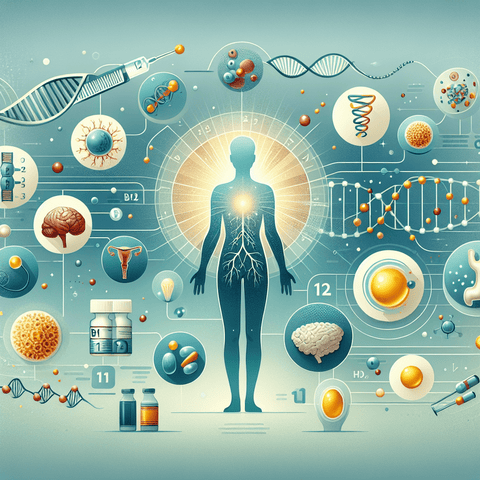
How Does Vitamin B12 Deficiency Manifest? - Topvitamine
24 de October, 2025
Los síntomas de la deficiencia de vitamina B12 pueden incluir cansancio, palidez, hormigueo, problemas de equilibrio, cambios en la lengua y dificultades de concentración. Como también aparecen en otros problemas de salud, no permiten confirmar una carencia por sí solos. Esta guía explica las causas más frecuentes, la relación con la función cognitiva, las pruebas que puede valorar un profesional y el papel de la alimentación y los suplementos.

Digestive issues can affect anyone, and they often show up as bloating, gas, constipation, diarrhoea, heartburn or general discomfort after eating. Because the digestive system is complex, the same symptom can have different causes, and many people experience more than one issue at a time. This page is a starting point for understanding the broad landscape of digestive health. It covers what digestive issues are, the main types, common symptoms, factors that may contribute to them, and general considerations around diet, lifestyle and supplements. It does not replace personalised medical advice, but it can help you make sense of the topic and find more specific information in the articles linked below.

What Are Digestive Issues?

Digestive issues is a broad term that describes symptoms or conditions affecting the gastrointestinal tract, which includes the mouth, oesophagus, stomach, intestines, liver, pancreas and gallbladder. Digestion involves breaking down food, absorbing nutrients and eliminating waste, and problems can arise at any stage. Some digestive issues are occasional and mild, while others are chronic and may require medical management. The impact can go beyond physical discomfort, affecting energy, mood, sleep and daily routines. Understanding the different categories of digestive issues can make it easier to recognise patterns and have more informed conversations with healthcare providers.

Common Types of Digestive Issues

Digestive issues are often grouped by the part of the digestive tract they affect or by their underlying pattern. The list below introduces some of the most frequently discussed categories. More detailed information on specific conditions can be found in the individual articles associated with this tag.

  • Upper digestive issues: reflux, indigestion, gastritis and peptic ulcers.
  • Lower digestive issues: bloating, constipation, diarrhoea, irritable bowel syndrome (IBS) and inflammatory bowel disease (IBD).
  • Functional disorders: conditions such as IBS where the digestive tract appears normal but does not function as expected.
  • Immune and inflammatory conditions: coeliac disease, Crohn's disease and ulcerative colitis.
  • Food intolerances and sensitivities: lactose intolerance, fructose malabsorption and other reactions to specific foods.

Signs and Symptoms That May Indicate a Digestive Issue

Symptoms vary depending on the underlying cause, but some are more common than others. Occasional discomfort is normal, but persistent or worsening symptoms deserve attention.

  • Bloating, gas and abdominal pain
  • Constipation or diarrhoea
  • Heartburn, acid reflux or indigestion
  • Nausea or vomiting
  • Changes in appetite or unexplained weight changes
  • Fatigue or low energy

Some signs should prompt a medical consultation rather than self-management. These include blood in the stool, black or tarry stools, severe or persistent abdominal pain, unexplained weight loss, difficulty swallowing, persistent vomiting, or symptoms that wake you from sleep. If you notice any of these, seek professional advice.

Factors That May Contribute to Digestive Issues

Digestive issues rarely have a single cause. They often result from a combination of factors, and identifying which ones are relevant for you can take time.

  • Diet: low fibre intake, high fat or highly processed foods, irregular meal patterns, or specific food intolerances.
  • Stress and lifestyle: chronic stress, poor sleep, smoking and excessive alcohol consumption.
  • Medications: some pain relievers, antibiotics and other medicines can affect digestion.
  • Medical conditions: infections, inflammatory diseases, structural abnormalities or metabolic disorders.
  • Changes in gut bacteria: the balance of microorganisms in the gut can be influenced by diet, illness and other factors.

When to See a Doctor About Digestive Symptoms

Many digestive symptoms are temporary and improve on their own. However, you should consider speaking with a healthcare professional if symptoms persist for more than a few days or weeks, if they interfere with daily life, or if you experience any warning signs such as those listed above. A doctor can help identify the cause, rule out serious conditions and discuss appropriate treatment options. Self-care measures can be helpful, but they should not delay a proper evaluation when needed.

Diet and Lifestyle Approaches for Digestive Comfort

General dietary and lifestyle habits can support digestive comfort, although individual responses vary. A common starting point is to eat regular meals, chew food well, stay hydrated and include fibre-rich foods gradually. Some people find that keeping a symptom diary helps them notice connections between what they eat, how they feel and other factors like stress or sleep. Gentle physical activity and stress-management techniques such as slow breathing or meditation are also often recommended as part of a broader approach to digestive well-being. It is important to avoid extreme or overly restrictive diets without professional guidance, as they can lead to nutritional gaps.

Supplements and Digestive Health: General Considerations

Certain supplement categories are sometimes discussed in relation to digestive health. For example, probiotics and prebiotics are often explored for their potential role in supporting gut bacteria, while other nutrients such as magnesium or certain vitamins may be relevant for general health. However, supplements are not intended to diagnose, treat, cure or prevent any disease, and they should not replace medical care. If you are considering a supplement, it is wise to speak with a healthcare professional first, especially if you have a diagnosed condition, are taking medication, are pregnant or breastfeeding, or are considering giving supplements to a child. You can explore related product categories such as probiotics and prebiotics supplements or mineral supplements for general information, but remember that individual needs vary.

Exploring Specific Digestive Conditions

This page provides a broad overview of digestive issues. For more detailed information on specific conditions such as IBS, GERD, Crohn's disease, coeliac disease and others, please refer to the individual articles linked below. Each article dives deeper into symptoms, causes, diagnosis and management options. If you are looking for general nutritional support, you may also find our natural supplements category useful, but always prioritise professional medical advice for any persistent digestive concerns.