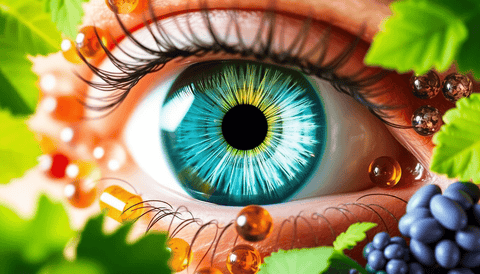
Suplementos para la salud ocular: Mejora la visión y protege tus ojos


Bienvenido a nuestra guía sobre suplementos para la salud ocular. Los suplementos para la salud ocular se refieren a productos dietéticos diseñados para complementar una dieta equilibrada, haciendo énfasis en mezclas de vitaminas, minerales y antioxidantes relacionados con esta categoría de productos. Esta página le ayuda a entender qué son estos suplementos, cómo están estructurados y cómo comparar las opciones. Los grupos de ingredientes típicos en los suplementos para la salud ocular incluyen carotenoides como la luteína y la zeaxantina, minerales como el zinc, vitaminas C y E, y ácidos grasos omega-3 (DHA y EPA). Algunos productos destacan un subconjunto específico de ingredientes, mientras que otros ofrecen mezclas más amplias para adaptarse a diferentes preferencias y rutinas. Las etiquetas de los productos varían en las cantidades y formas de estos ingredientes. Al evaluar los suplementos para la salud ocular, busque etiquetas transparentes, cantidades claras por porción y información sobre la fuente de los ingredientes. Considere las normas de fabricación, las pruebas de terceros y las certificaciones. Verifique la información sobre alérgenos y asegúrese de que la forma del producto (cápsula, gel suave, tablet) se ajuste a sus preferencias. Antes de comenzar cualquier régimen de suplementos, consulte con un profesional de la salud, especialmente si tiene alergias, está embarazada, en periodo de lactancia o está tomando medicamentos. Este contenido tiene la finalidad de informar y comparar opciones y no debe reemplazar el consejo médico profesional. Úselo para ayudarle a identificar suplementos para la salud ocular que satisfagan sus necesidades personales.


Best Eye Health Supplements in 2026: Top Picks & Expert Guide - Topvitamine
07 de August, 2026
¿Confundido por los muchos suplementos para la vista en el mercado? Nuestra guía 2026 elimina el ruido, comparando las vitaminas y nutrientes mejor valorados como la luteína, los omega-3 y AREDS2. Desglosamos la ciencia, las dosis y las reseñas reales de los usuarios para ayudarte a elegir el mejor suplemento para tus necesidades de salud ocular.
Retinal health supplements - Topvitamine
30 de July, 2026
Apoya y protege tu visión con **suplementos de salud retinal** de alta calidad. Aprende qué buscar, los ingredientes clave y cómo elegir la fórmula adecuada para la salud ocular.
Supplements for Eye Health: What Really Works? | Topvitamine - Topvitamine
08 de September, 2025
Los suplementos para la salud ocular pueden contribuir a la nutrición de la retina y ser útiles en situaciones concretas, pero no corrigen por sí solos la miopía, la vista borrosa ni garantizan una visión perfecta. Esta guía explica la función de la luteína, la zeaxantina, las vitaminas, el zinc y los omega-3, qué se sabe sobre la fórmula AREDS2 y cómo elegir un producto con criterio y seguridad.

Welcome to our comprehensive guide on eye health supplements. This page is designed to help you understand the landscape of nutritional support for vision. Here, we explore the key ingredients, the science behind them, and the practical considerations for choosing a product. Whether you are just beginning your research or are looking to compare options, this guide provides a clear, high-level overview of the topic.

What Are Eye Health Supplements?

Eye health supplements are dietary products formulated to provide concentrated amounts of specific nutrients that are believed to support various aspects of eye function. They are not intended to replace a balanced diet but rather to complement it, helping to fill potential nutritional gaps. These products typically contain a blend of vitamins, minerals, and antioxidants, each playing a distinct role in maintaining the health of ocular tissues.

The primary purpose of these supplements is to ensure the body has the building blocks it needs for normal eye structure and function. While a healthy diet rich in fruits and vegetables is the best foundation, supplements can offer a convenient way to achieve consistent intake of specific nutrients, especially for individuals with dietary restrictions or preferences.

Key Nutrients in Eye Health Supplements

Most eye health supplements are built around a core set of nutrients. Understanding these ingredients is the first step in making an informed choice. Here are the most common categories you will encounter:

  • Carotenoids: Lutein and zeaxanthin are antioxidants that are found in high concentrations in the macula, the central part of the retina. They are believed to help filter harmful high-energy blue light.
  • Vitamins: Vitamins C and E are powerful antioxidants that help protect cells throughout the body, including those in the eyes, from oxidative stress.
  • Minerals: Zinc is a mineral that plays a vital role in transporting vitamin A from the liver to the retina, where it is used to produce melanin, a protective pigment.
  • Omega-3 Fatty Acids: DHA and EPA, commonly found in fish oil, are types of polyunsaturated fats. DHA is a structural component of the retina, and these fatty acids are also known for their general anti-inflammatory properties.

Some products focus on a specific subset of these ingredients, while others offer a broader, more comprehensive mix. The choice depends on your individual needs and preferences. For a deeper look at specific nutrients, you can explore our Vitamin A guide or our antioxidants collection for more information.

Do Eye Supplements Actually Work?

This is a common question. The effectiveness of eye supplements depends on several factors, including the specific nutrients used, their dosages, and the individual's overall health and nutritional status. Research, such as the Age-Related Eye Disease Studies (AREDS and AREDS2), has shown that a specific combination of nutrients—including lutein, zeaxanthin, vitamins C and E, and zinc—may play a role in supporting eye health in certain populations.

However, it is important to understand that supplements are not a cure-all. They are most effective when used as part of a holistic approach that includes a balanced diet, regular exercise, and routine eye exams. For individuals with a healthy diet, the additional benefit of a supplement may be less pronounced. It is always best to discuss your specific situation with an eye care professional.

How to Choose a Quality Eye Health Supplement

With so many options available, knowing how to evaluate a product is crucial. Here are key factors to consider when comparing eye health supplements:

  • Transparent Labeling: Look for products that clearly list the amount of each ingredient per serving. Avoid proprietary blends that hide individual dosages.
  • Ingredient Forms: Check the form of each nutrient. For example, some forms of minerals are better absorbed than others. The label should specify the source.
  • Third-Party Testing: Look for certifications from independent organizations that verify the product's quality, purity, and potency.
  • Manufacturing Standards: Choose products from manufacturers that follow Good Manufacturing Practices (GMP) to ensure quality control.
  • Allergen Information: Always check the label for potential allergens, especially if you have sensitivities to common ingredients like soy, gluten, or shellfish.

The form of the supplement—whether it's a capsule, softgel, or tablet—is also a matter of personal preference. Some people find certain forms easier to swallow or digest. For a broader look at supplement quality, you might find our natural supplements collection helpful.

Natural Alternatives and Dietary Sources

Before considering a supplement, it is worth reviewing your diet. Many of the nutrients found in eye health supplements are also available in everyday foods. A diet rich in colorful fruits and vegetables is often the best way to support overall health, including your eyes.

  • Lutein and Zeaxanthin: Found in leafy green vegetables like spinach and kale, as well as eggs and corn.
  • Vitamin C: Abundant in citrus fruits, berries, and bell peppers.
  • Vitamin E: Found in nuts, seeds, and vegetable oils.
  • Zinc: Present in meat, shellfish, legumes, and seeds.
  • Omega-3 Fatty Acids: Found in fatty fish like salmon and mackerel, as well as flaxseeds and walnuts.

Incorporating these foods into your daily meals is a natural and effective way to support your nutritional intake. For more ideas, you can explore our superfoods guide.

Important Safety and Usage Considerations

While eye health supplements are generally considered safe for most people when taken as directed, it is essential to approach them with caution. Before beginning any new supplement regimen, it is crucial to discuss it with a healthcare professional. This is especially important if you:

  • Have pre-existing medical conditions, such as age-related macular degeneration (AMD) or other eye diseases.
  • Are pregnant, planning to become pregnant, or nursing.
  • Are taking any medications, as some supplements can interact with prescription drugs.
  • Have known allergies to any of the ingredients.

This content is intended for informational purposes only and should not be used as a substitute for professional medical advice, diagnosis, or treatment. Always seek the advice of your physician or another qualified health provider with any questions you may have regarding a medical condition.

Exploring the Topic Further

This guide provides a broad overview of eye health supplements. For more specific information, we encourage you to explore the related articles and resources available on this page. You can find detailed comparisons, in-depth ingredient analyses, and answers to more specific questions about eye health and nutrition.

Remember, maintaining good eye health is a lifelong commitment. A combination of a healthy diet, regular check-ups with your eye care professional, and informed decisions about supplementation can help you support your vision for years to come.