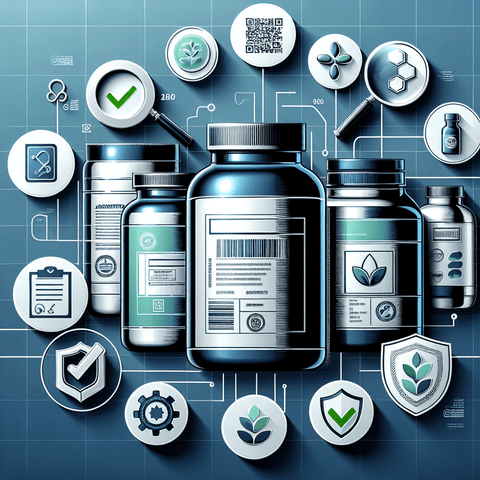
Para saber si un suplemento podría ser falso, comprueba quién lo vende, si el precinto está intacto, si el lote y la fecha son legibles, qué indica la etiqueta y si el código de verificación coincide con los datos del producto en el sitio oficial de la marca. Ninguna señal aislada confirma la autenticidad, pero combinar estas comprobaciones ayuda a detectar riesgos. «Falso» puede referirse a un producto falsificado, adulterado o de calidad deficiente; comprar en un canal autorizado es la medida preventiva más importante.
Qué es la detección de suplementos falsificados y por qué importa
Detectar suplementos falsificados consiste en comprobar si el producto corresponde a lo que declara la etiqueta: sus ingredientes y cantidades, la ausencia de sustancias no declaradas, su fecha de caducidad y la identidad del fabricante. La inspección del envase y la verificación del vendedor pueden aportar indicios, pero no permiten confirmar por sí solas el contenido real.
Conviene distinguir tres problemas. Un producto falsificado imita una marca legítima y puede contener ingredientes distintos de los anunciados. Uno adulterado incluye sustancias no declaradas, como estimulantes u hormonas. Un producto de calidad deficiente puede estar etiquetado de forma aparentemente honesta, pero no cumplir las especificaciones de calidad, por ejemplo por una dosis insuficiente o por contaminación.
- Productos falsificados: imitan una marca genuina y pueden contener ningún nutriente útil, excipientes baratos, un ingrediente equivocado o material contaminado.
- Productos adulterados: contienen sustancias que no aparecen en la etiqueta, como estimulantes ocultos en productos para adelgazar o agentes anabólicos no autorizados en fórmulas para el desarrollo muscular.
- Productos de calidad deficiente: pueden contener dosis inferiores a las declaradas, nutrientes degradados o contaminación microbiana o por metales pesados.
Entre las prácticas posibles están diluir o sustituir ingredientes, añadir sustancias ocultas y cambiar la fecha de caducidad. Los riesgos varían: un producto puede aportar menos nutrientes de los esperados o, en casos más preocupantes, contener sustancias con actividad farmacológica o contaminantes. Estos podrían asociarse a efectos como palpitaciones, cambios en la presión arterial o problemas con medicamentos, aunque no se puede deducir el contenido ni el efecto de un producto concreto solo por su aspecto.
También existe un coste menos visible: si se confía en una cápsula que no contiene lo anunciado, puede quedar sin atender una necesidad nutricional y retrasarse una evaluación adecuada. Un suplemento no sustituye una dieta equilibrada ni la valoración de un profesional sanitario cuando sea necesaria.
Señales de alerta de los suplementos falsificados
Las señales de alerta pueden aparecer en el envase, el precio, el vendedor, las afirmaciones de marketing o el propio producto. Son motivos para detenerse y verificar, no pruebas concluyentes de falsificación.
- Precintos o films plásticos rotos, ausentes o aparentemente colocados de nuevo.
- Impresión borrosa, etiquetas desalineadas o tipografías y colores distintos de los que muestra la marca en sus canales oficiales.
- Número de lote o fecha de caducidad ausentes, ilegibles o con aspecto de haber sido reimpresos.
- Errores ortográficos, unidades que no cuadran —por ejemplo, mg en lugar de mcg— o una lista de ingredientes incompleta.
- Envase notablemente más ligero o un recuento de comprimidos inferior al indicado.
- Precio muy inferior al habitual en vendedores autorizados, especialmente si el vendedor no está verificado, no facilita una dirección comercial o carece de política clara de devoluciones.
Desconfía también de afirmaciones como «cura la artritis», «funciona mejor que la medicación» o «100 % seguro». Las normas dependen del país, pero las promesas de curar enfermedades o garantizar resultados son una señal para cuestionar la credibilidad del producto y del vendedor.
Después de abrirlo, una decoloración inusual, un olor rancio —en particular en productos con aceite de pescado—, aglutinamiento excesivo, comprimidos que se desmenuzan o un sabor inesperado justifican no consumirlo y consultar al fabricante. Estas características pueden deberse a conservación o formulación, por lo que tampoco demuestran por sí solas que sea falso.
Las pruebas caseras virales, como disolver una pastilla en agua, usar un imán o añadir vinagre para observar la efervescencia, reflejan propiedades físicas de la formulación, no su autenticidad. Solo un análisis de laboratorio puede confirmar qué contiene realmente un suplemento.
Por qué existen los suplementos falsificados y dónde circulan
Las falsificaciones pueden aprovechar los márgenes comerciales y las dificultades para controlar cadenas de suministro extensas. El comercio electrónico suma vendedores y puntos de entrada, lo que puede hacer más complicado comprobar el origen de cada envase.
En el mercado gris puede haber existencias desviadas, devoluciones revendidas, lotes caducados o cadenas de dropshipping en las que no se comprueba claramente la procedencia. Las categorías que buscan resultados rápidos o visibles —como productos para adelgazar, desarrollo muscular y suplementos deportivos— merecen especial cautela; también pueden verse afectadas vitaminas de marca con mucha demanda.
- Anuncios de terceros en marketplaces que no permiten comprobar quién suministra el producto.
- Vendedores que gestionan pedidos mediante mensajes en redes sociales.
- Sitios web que imitan a una marca y usan dominios con diferencias mínimas, como una letra cambiada.
En estos canales puede resultar difícil rastrear el producto hasta el fabricante. Revisa con cuidado quién es el vendedor concreto, incluso si el anuncio aparece en una plataforma conocida.
Cómo elegir suplementos genuinos y verificar su autenticidad
Prioriza la tienda oficial de la marca, los minoristas que esta identifica como autorizados y las farmacias autorizadas. En un marketplace, busca la tienda oficial de la marca dentro de la plataforma y confirma quién vende y quién envía el artículo: el nombre de la plataforma no garantiza por sí solo la procedencia.
Antes de comprar, compara el vendedor con la lista oficial de distribuidores, comprueba que el dominio esté escrito correctamente y busca una dirección comercial y datos de contacto. Revisa también el historial del vendedor y las condiciones de devolución. Las valoraciones pueden orientar, pero no prueban que un producto sea auténtico.
Los términos GMP se refieren a buenas prácticas de fabricación. Las certificaciones independientes de terceros, como USP, NSF o Informed Sport cuando sean pertinentes, pueden aportar información adicional sobre determinados controles, pero su alcance depende del programa. Un logotipo puede copiarse: comprueba cualquier certificado en la fuente oficial de la entidad y no lo tomes como garantía absoluta de autenticidad o seguridad.
Para comprobar un número de lote, código QR o panel de raspado, utiliza únicamente el dominio o la aplicación oficial de la marca. Verifica que el nombre del producto, el lote y la fecha que devuelve el sistema coincidan con el envase. Si el código no funciona, aparece como ya utilizado o lleva a una página desconocida, guarda una captura y contacta con el fabricante antes de usar el producto.
- Localiza el número de lote y la fecha de caducidad en el frasco o la caja.
- Busca el método de verificación que indique la marca, si ofrece uno, como un QR, un panel de raspado o una etiqueta holográfica.
- Escanea o introduce el código solo en el sitio web o la aplicación oficial; no sigas redirecciones a dominios desconocidos.
- Comprueba que el producto, el lote y la fecha coincidan exactamente con los datos del envase.
- Si no hay verificación digital, contacta con el fabricante y facilita el lote y los detalles de compra.
- Conserva una fotografía del resultado. Una discrepancia, un enlace roto o un aviso de código ya utilizado requiere aclaración con la marca antes de consumirlo.
La etiqueta también merece una lectura crítica. Comprueba que las dosis y unidades estén completas y sean coherentes, y presta atención a las formas de los nutrientes. Cantidades inverosímiles, unidades erróneas o formas que no encajan con la descripción son motivos para pedir aclaraciones. Si una cantidad parece superar límites de ingesta establecidos para el nutriente, consulta una fuente sanitaria fiable o a un profesional; no intentes valorar la seguridad solo por una etiqueta.
Qué incluye toda etiqueta genuina
Los requisitos concretos varían según el país y la categoría del producto. Como referencia, una etiqueta clara debería permitir identificar los ingredientes, la cantidad por porción y quién responde por el producto. Revisa que incluya:
- La lista completa de ingredientes y, cuando corresponda, la forma química de cada nutriente.
- Las cantidades por porción y el tamaño de la porción indicado.
- La declaración de alérgenos y los aditivos o excipientes utilizados.
- La cantidad neta, el nombre y la dirección del fabricante o responsable.
- Un número de lote legible y una fecha de caducidad o de consumo preferente.
Prácticas de etiquetado que deberían hacerte desistir de la compra
Una mezcla propietaria que solo indica un peso agregado puede impedir conocer la cantidad individual de cada ingrediente. Si además faltan unidades, tamaño de porción, lote o datos de contacto del fabricante, resulta difícil evaluar la composición y la trazabilidad. Las dosis llamativamente elevadas también merecen cautela y una comprobación de las normas y recomendaciones aplicables al nutriente.
Suplementos originales frente a falsificados: comparación directa
- Impresión y acabado: un envase nítido y coherente frente a tinta borrosa, restos de pegamento o tipografías que no coinciden con las imágenes oficiales.
- Trazabilidad: un lote legible y verificable frente a un lote ausente, reimpreso o asociado a un enlace que no funciona.
- Precio: un importe dentro del rango habitual de los canales autorizados frente a un descuento extremo sin explicación y con un vendedor de origen dudoso.
- Etiqueta: ingredientes, dosis y unidades claros frente a información incompleta, mezclas que ocultan cantidades o promesas de curar enfermedades.
- Responsabilidad: un fabricante identificable y localizable frente a un vendedor o importador sin datos suficientes para contactar.
Quiénes deberían ser más cautelosos con los suplementos falsificados
Quienes compran en marketplaces deben fijarse especialmente en el vendedor: distintos proveedores pueden abastecer anuncios similares y el inventario puede tener un origen difícil de rastrear. También conviene ser prudente con productos para adelgazar, desarrollar músculo o aumentar la energía, sobre todo si prometen cambios rápidos.
Si el suplemento se plantea durante el embarazo, para un niño, en presencia de una enfermedad crónica o junto con medicación, una composición incierta puede tener consecuencias más importantes. En estas situaciones, compra únicamente en canales autorizados y consulta a un profesional sanitario antes de elegir un producto.
Si sospechas que has tomado un suplemento falso: qué hacer
Un producto sospechoso puede simplemente no aportar lo anunciado, pero la contaminación o los ingredientes ocultos también podrían causar efectos no deseados, como palpitaciones, insomnio, cambios en la presión arterial o molestias digestivas, o interferir con medicamentos. Si tienes dolor en el pecho, dificultad para respirar, te desmayas o presentas síntomas graves, busca atención médica urgente e indica exactamente qué has tomado.
- Deja de tomar el producto.
- Conserva el frasco, el envase, el recibo y las capturas de pantalla del anuncio o de la página de venta.
- Anota cualquier síntoma y cuándo empezó.
- Lleva el producto y los detalles de compra a un farmacéutico o médico, especialmente si tienes síntomas o tomas medicación.
- Denuncia la sospecha al regulador nacional de alimentos o medicamentos, a la marca y a la plataforma de venta.
Fotografía el producto, el número de lote y la fecha, y guarda los registros del pedido. Estos datos pueden ayudar al fabricante, al regulador y a la plataforma a investigar y, si procede, revisar o retirar el anuncio.
Trucos rápidos para verificar la autenticidad: tu lista de comprobación
Antes de comprar, repasa estas preguntas. Si varias respuestas generan dudas, es más prudente buscar otro vendedor o pedir confirmación a la marca.
- ¿Es un canal autorizado, como la tienda de la marca, un minorista de su lista o su tienda oficial en un marketplace?
- ¿El precio es plausible al compararlo con el de vendedores autorizados?
- ¿El anuncio usa imágenes oficiales y ofrece información del producto, el lote o la caducidad?
- ¿Las afirmaciones evitan prometer curas o resultados garantizados?
- ¿Se indican claramente los ingredientes, las dosis, las unidades y las formas de los nutrientes?
Cuando recibas el producto, confirma que el precinto esté intacto, que el lote y la fecha sean legibles y que el contenido no presente cambios llamativos de aspecto u olor. Comprueba también que el recuento o la cantidad correspondan a lo declarado. Si algo no coincide, no lo consumas hasta aclararlo con el fabricante o el vendedor.
Las falsificaciones sofisticadas pueden superar una inspección visual; estas comprobaciones no eliminan todo el riesgo. Por eso, elegir un canal fiable es más importante que intentar confirmar la autenticidad después de la compra. Antes de añadir un producto, considera si la alimentación ya aporta ese nutriente, si una evaluación profesional podría aclarar tus necesidades y si un profesional sanitario cree que el suplemento tiene sentido.
Preguntas frecuentes sobre suplementos falsificados
¿Cómo puedo saber si un suplemento es falso antes de abrirlo? Revisa el vendedor, el precio, la etiqueta y las afirmaciones. Si varias comprobaciones no cuadran, evita la compra o pide confirmación a la marca; ninguna regla basada en un número concreto de señales demuestra por sí sola que sea falso.
¿Un código QR o un panel de raspado demuestra que es genuino? No por sí solo: los códigos pueden copiarse o reutilizarse. Compruébalo en el dominio oficial y confirma que los datos coincidan exactamente con el frasco.
¿Qué diferencia hay entre un producto falsificado, adulterado y de calidad deficiente? El falsificado imita una marca; el adulterado contiene sustancias no declaradas; y el de calidad deficiente no cumple las especificaciones esperadas. La adulteración puede implicar un riesgo inmediato importante, pero el riesgo concreto depende del contenido.
¿Las pruebas caseras detectan falsificaciones? No de forma fiable. Disolver una pastilla, usar un imán o probarla con vinagre no confirma los ingredientes. Solo el análisis de laboratorio puede determinar qué contiene.
¿Por qué se adulteran especialmente los productos para adelgazar y desarrollar músculo? Son categorías en las que se buscan resultados rápidos y visibles, lo que puede favorecer el uso de sustancias ocultas. Por eso conviene revisar las declaraciones y comprar en canales autorizados.
¿Es seguro comprar suplementos en marketplaces? Puede ser más fácil verificar el origen si compras en la tienda oficial de la marca dentro de la plataforma o a un minorista autorizado identificado por ella. Comprueba siempre quién vende el producto concreto.
¿Qué es el número de lote y por qué importa? Es un identificador que ayuda al fabricante a rastrear una partida y puede ser útil para investigar problemas o gestionar retiradas. Debe ser legible y, si la marca dispone de un sistema de consulta, verificarse por sus canales oficiales.
¿Qué significa GMP? Se refiere a buenas prácticas de fabricación. Una mención o un logotipo en la etiqueta no prueba por sí solo que el producto sea genuino; comprueba cualquier certificado en la fuente oficial correspondiente.
¿Puedo usar un suplemento con el precinto roto o ausente? No se puede descartar que haya sido manipulado. No lo consumas y contacta con el vendedor o el fabricante para solicitar una solución.
¿Qué hago si creo que he tomado uno falso y dónde lo denuncio? Deja de tomarlo, conserva el producto y la documentación y consulta a un farmacéutico o médico. Si tienes síntomas graves, busca atención urgente. Puedes informar al regulador nacional, a la marca y a la plataforma de venta.
¿Los suplementos baratos son siempre falsos? No. El precio bajo, por sí solo, no lo demuestra; preocupa más un descuento pronunciado combinado con un vendedor no autorizado y falta de información para rastrear el producto.