Alimentos Fortificados: Formas Fáciles de Aumentar tus Vitaminas y Minerales


Los alimentos fortificados son productos a los que se les han añadido nutrientes durante el procesamiento, extendiendo intencionadamente el contenido del artículo. Esta página se centra en formas fáciles y prácticas de incorporar alimentos fortificados en la planificación de comidas diarias, con consejos, ideas de comidas y opciones inteligentes que encajan en un enfoque equilibrado de la nutrición. Los consejos prácticos comienzan con la etiqueta. Busca nutrientes añadidos, toma nota de las cantidades y compara las opciones mediante el porcentaje que se muestra en el panel de nutrición. Presta atención a los tamaños de las porciones y cómo una opción fortificada encaja en tu día junto con otros alimentos que consumes. Considera tus preferencias, necesidades dietéticas y presupuesto al elegir alimentos fortificados. Tres plantillas de comidas sencillas pueden guiarte: ideas para desayuno, almuerzo y cena que incluyen un elemento fortificado como parte del plan. Cada plantilla se centra en un producto fortificado y lo combina con una base sencilla y un acompañamiento para completar el plato. Mantener las plantillas flexibles te permite adaptarte a diferentes días y a los ingredientes disponibles. Las opciones inteligentes te ayudan a aprovechar al máximo los alimentos fortificados. Evalúa las opciones en distintas categorías, revisa si contienen azúcares añadidos o ingredientes de relleno, y compara productos para encontrar el que mejor se adapte a tu rutina. Alternar diferentes opciones fortificadas puede ayudarte a mantener la variedad mientras planificas comidas equilibradas.


What foods contain vitamin D? - Topvitamine
28 de January, 2026
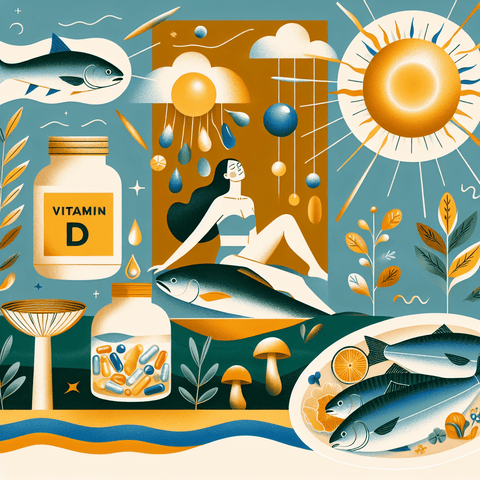
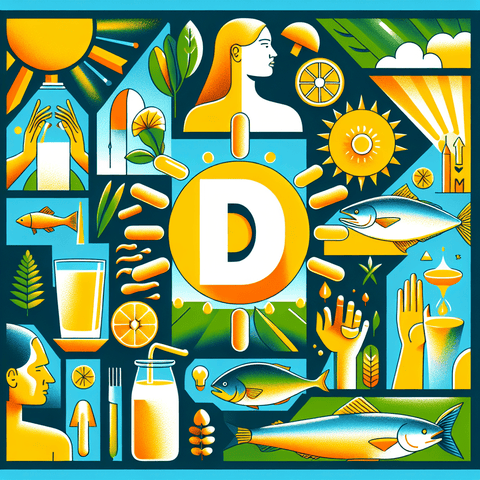
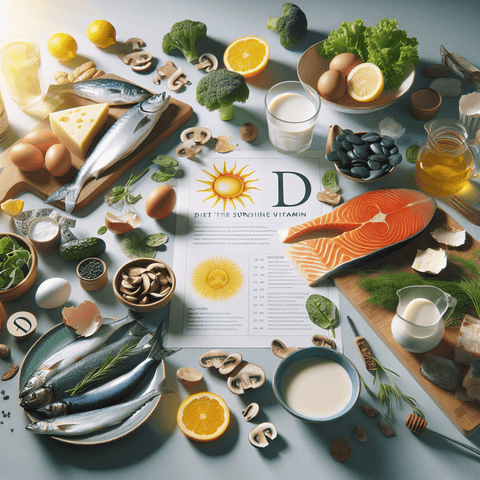
Los alimentos con vitamina D incluyen pescados grasos, yema de huevo, hígado y productos enriquecidos. Las setas expuestas a luz ultravioleta y algunos alimentos fortificados aportan vitamina D2, una opción útil en dietas vegetales. Esta guía explica qué fuentes contienen más vitamina D, cómo leer las etiquetas, qué papel tiene el sol y qué precauciones considerar antes de tomar suplementos.
In which foods is vitamin B12 found? - Topvitamine
16 de November, 2025
Los alimentos con vitamina B12 se encuentran principalmente en pescados, mariscos, carnes, huevos y lácteos. Las personas veganas deben recurrir a alimentos fortificados o a un suplemento de vitamina B12, ya que las fuentes vegetales no fortificadas no son fiables. Esta guía explica qué alimentos aportan más B12, qué papel tienen los huevos y cuándo conviene consultar a un profesional sanitario.
Where is a lot of vitamin B12 found? - Topvitamine
29 de October, 2025
La vitamina B12 se encuentra principalmente en el hígado, el pescado, el marisco, la carne, los huevos y los lácteos. Las personas veganas pueden obtenerla mediante alimentos fortificados o un suplemento de vitamina B12. En este artículo encontrarás las fuentes más concentradas, la frecuencia recomendada para comer hígado, las diferencias entre metilcobalamina y cianocobalamina y las precauciones importantes ante un posible déficit.
Where is vitamin D most commonly found? - Topvitamine
24 de October, 2025
Las fuentes de vitamina D más habituales son la síntesis cutánea mediante la luz solar, algunos alimentos —como el pescado azul, los huevos y las setas expuestas a luz UV—, los productos fortificados y los suplementos. La cantidad que necesita cada persona depende de factores como la edad, la dieta, la estación y el estado de salud. Esta guía explica qué opciones existen y cómo utilizarlas con prudencia.
Where is vitamin D found? - Topvitamine
17 de October, 2025
La vitamina D se obtiene principalmente mediante la síntesis en la piel tras la exposición a la radiación UVB, ciertos alimentos y productos fortificados. Los pescados grasos son sus fuentes alimentarias más destacadas, mientras que los suplementos pueden ser útiles cuando la dieta y el estilo de vida no aportan suficiente. Descubre las diferencias entre vitamina D2 y D3, cómo leer las etiquetas y cuándo conviene consultar a un profesional.
What are 10 foods rich in vitamin D? - Topvitamine
13 de October, 2025
Los alimentos ricos en vitamina D incluyen pescados grasos, huevos, hongos expuestos a luz ultravioleta y productos fortificados. En esta guía encontrarás cantidades orientativas, ideas sencillas para incorporarlos a la dieta y diferencias entre la vitamina D2 y la D3. También explicamos qué significa que un alimento esté fortificado y cuándo conviene consultar a un profesional antes de utilizar un suplemento de vitamina D.

Fortified foods are a common part of many diets, but they are often misunderstood. This guide explains what fortification is, why it matters, and how to make informed choices. Whether you are looking to address a specific nutrient gap or simply want to understand the options at the grocery store, this page provides a practical overview. We will cover the basics of fortified foods, what to look for on labels, and how to incorporate them into a balanced approach to eating.

What Are Fortified Foods?

At its core, a fortified food is any product that has nutrients added to it that were not originally present, or that are present in small amounts. This is a deliberate process done during manufacturing to improve the nutritional quality of the food. The practice is different from enrichment, which typically refers to adding back nutrients that were lost during processing. Fortification, on the other hand, adds nutrients that may not have been in the food at all. The purpose is to help consumers meet their daily nutritional needs more easily, particularly for nutrients that are commonly lacking in modern diets.

For example, many breakfast cereals are fortified with a range of B vitamins, including folic acid, as well as iron and zinc. Milk is often fortified with vitamin D, which is essential for calcium absorption. Plant-based milks, such as soy or almond milk, are frequently fortified with calcium, vitamin D, and vitamin B12 to make them more nutritionally comparable to dairy milk. This process plays a significant role in public health by helping to reduce nutrient deficiencies across the population.

Why Fortification Matters for Your Diet

Fortification can help bridge gaps between the nutrients you get from food and the nutrients your body needs. However, it is crucial to see fortified foods as a helpful complement to, not a replacement for, a diet rich in whole foods. Fruits, vegetables, whole grains, lean proteins, and healthy fats provide a complex mix of nutrients and other beneficial compounds that cannot be replicated by fortification alone. The value of a fortified food depends on the whole product, not just the added nutrients.

When considering your intake, think about recommended dietary allowances and your unique lifestyle. Factors like age, sex, health status, and dietary patterns can influence your nutritional needs. For some, fortified foods are a practical way to ensure adequate intake of specific nutrients like vitamin D or iron. For others, a focus on consuming a variety of whole foods may be more appropriate. A balanced approach that includes both is often the most effective strategy for many people.

Common Fortified Foods and Nutrients

Fortified foods are everywhere, but it can be helpful to know which products are typically fortified and with what. This can help you quickly identify potential options on your next shopping trip.

  • Breakfast Cereals: Often fortified with iron, folic acid, B vitamins (including B12), and sometimes vitamin D and zinc.
  • Milk and Dairy Alternatives: Cow's milk is commonly fortified with vitamin D. Plant-based milks often include calcium, vitamin D, and vitamin B12.
  • Grains and Breads: Many refined grain products like white flour and bread are enriched with B vitamins (thiamin, riboflavin, niacin, folic acid) and iron.
  • Salt: Table salt is typically fortified with iodine, a mineral important for thyroid function.
  • Juices and Beverages: Some fruit juices and drink powders may be fortified with calcium, vitamin C, and vitamin D.
  • Nutritional Yeast and Plant-Based Proteins: These are often fortified with vitamin B12, an essential nutrient found naturally in animal products.

This list is not exhaustive, but it gives an idea of the variety of products available. Always check the nutrition label and ingredient list to confirm which nutrients have been added.

How to Read Labels and Make Smart Picks

Reading a nutrition label is the most important skill for navigating the world of fortified foods. The goal is to understand what you are actually getting in each serving and how it fits into your overall diet.

Key Things to Look For

  • Serving Size: All nutrient information is based on a specific serving size. Be sure to compare this to the amount you actually eat.
  • % Daily Value (%DV): This tells you how much a nutrient in a serving contributes to a daily diet. A %DV of 20% or more is considered high for that nutrient, while 5% or less is low.
  • Ingredient List: Fortified vitamins and minerals will appear in the ingredient list, often with chemical names. This can help you see exactly what has been added.
  • Other Nutrients: Pay attention to the whole profile. A fortified cereal might be high in iron but also high in added sugar. Consider the trade-offs.

Practical Tips for Selection

When choosing fortified foods, compare similar products to see which offers the best nutritional value for your needs. Check for excessive amounts of added sugars, sodium, or unhealthy fats. Think about your dietary preferences and budget, as fortified options can vary in price. It is also wise to rotate your choices to ensure you are getting a wide range of nutrients from different sources rather than a high dose of the same vitamins every day. For a broader overview of supplemental nutrients, you may find the daily intake guidelines useful.

A practical approach to using fortified foods is to integrate them into meals you already enjoy. For breakfast, you might choose a fortified cereal or oatmeal. At lunch, a fortified plant-based milk in a smoothie can be a good option. For dinner, using fortified grains or flours can add to your nutrient intake without much effort. The key is to view these foods as a helpful tool in your overall nutritional strategy.

Fortified Foods vs. Supplements

Fortified foods and dietary supplements both deliver nutrients but in different forms. Fortified foods are a way to get extra vitamins and minerals through your regular diet. They often come with the added benefits of other food components like fiber or protein. Supplements, on the other hand, offer a concentrated dose of a specific nutrient or a combination of nutrients. They are designed to fill a specific gap, which may be harder to achieve through food alone.

The choice between them depends on your individual circumstances. For example, someone with a very restricted diet might use a supplement to ensure adequate intake of a nutrient like vitamin B12 or vitamin D. In contrast, a person looking to boost their overall nutrient intake might prefer to start with fortified foods. For those interested in a more targeted approach, exploring high-quality multivitamins can be an option. However, it's essential to consider that supplements are not a substitute for a healthy diet and can be unnecessary or even harmful in high doses. Always consider your dietary intake first and consult with a healthcare professional before starting any new supplement regimen.

Important Considerations and a Balanced Approach

While fortified foods are generally considered safe for the public, it is possible to get too much of certain nutrients. This is known as overconsumption. It is especially important to be aware of nutrients like vitamin A, vitamin D, iron, and folic acid, which can build up in the body. Relying heavily on fortified foods and supplements simultaneously can increase the risk of exceeding the upper limits. Always read labels and be mindful of the total amounts of nutrients you are consuming from all sources, including food and supplements.

This information is for educational purposes and is not a substitute for personalized medical or dietary advice. If you have specific health concerns or questions about your nutrient needs, speaking with a doctor or a registered dietitian is the best course of action. They can provide guidance based on your individual health history and goals. The best approach to nutrition is to focus on a diverse diet of whole foods, using fortified foods as a strategic addition, and supplements when a specific need has been identified.