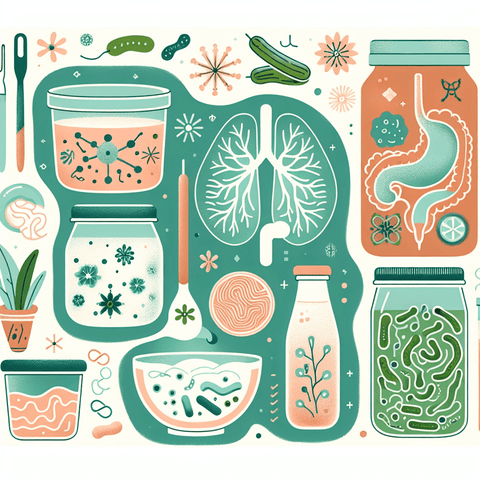
Gut flora balance describes the stable, adaptable state of the vast community of microorganisms living in the digestive tract, often called the gut microbiome. This page explains what gut flora balance means, what gut bacteria do, the signs people commonly associate with an imbalance, and the practical diet and lifestyle habits most often discussed for supporting it.
Gut flora is not a fixed checklist you either pass or fail. It is a dynamic ecosystem that responds to what you eat, how you sleep, how active you are and how much stress you carry. Understanding how these pieces fit together makes it easier to see why balance has become such a central idea in digestive health, and why small, consistent habits are usually emphasized over quick fixes.
What Is Gut Flora Balance?
Gut flora — also known as the gut microbiome or gut microbiota — refers to the enormous collection of microorganisms that live in the intestines. The community contains many different types of bacteria along with other microbes, and each person's exact combination is slightly different. Far from being passive passengers, these microorganisms are active participants in everyday digestive life.
In scientific discussions, gut flora balance describes a state in which the different microbial groups coexist in a stable yet adaptable composition and show resilience when everyday perturbations occur — a change in meals, a disrupted night's sleep, a busy or stressful week. Balance is therefore not a single measurable target. It is a way of describing an ecosystem that can absorb ordinary fluctuations without being thrown off course.
When this stability is disturbed over longer periods, researchers often use the term dysbiosis to describe a shift in the composition or function of the gut microbiome. Because the microbiome is highly individual, what counts as a meaningful shift differs from person to person — one reason general information about gut flora should always be read as education rather than diagnosis.
What Gut Flora Does
The gut flora contributes to everyday digestion in several ways that researchers continue to study. Most of its best-described roles relate to how the body handles food and how the digestive tract communicates with the systems around it.
- Helping to break down certain dietary fibers and complex carbohydrates that the body cannot digest on its own
- Interacting with the gut lining, where the digestive tract meets much of the body's immune tissue
- Producing a range of substances while fermenting fiber, which researchers study for their wider roles in the body
- Shaping which microbial groups thrive by competing for space and resources
Because these roles are interconnected, researchers generally look at gut flora as a whole ecosystem rather than as separate 'good' and 'bad' bacteria. That ecosystem view is also why most practical advice emphasizes variety and consistency rather than any single food or bacterial strain.
Signs Commonly Associated with an Imbalanced Gut Flora
Many people start looking into gut flora balance because something in their digestion feels different. In everyday language, an imbalanced gut flora refers to a shift in the gut microbiome that coincides with discomfort; in research settings this is often described as dysbiosis. The experiences people most frequently report include:
- Bloating and excess gas
- Irregular bowel habits, such as constipation or diarrhea
- General digestive discomfort after meals
- Digestion feeling less predictable than usual
These signs are non-specific: they can have many different causes and do not by themselves indicate a gut flora problem. Anyone with persistent or severe digestive symptoms should consult a healthcare professional rather than self-diagnose. The information here is general education, not personalized medical advice.
How to Support Gut Flora Balance
There is no single intervention that resets the gut flora, and no formula that works identically for everyone. What research and everyday practice share is an emphasis on varied food, steady routines and gradual change. The areas below summarize the habits most often discussed in relation to supporting gut flora balance.
Eat a Varied, Fiber-Rich Diet
Dietary variety is one of the most consistently discussed factors in gut health. Different fibers and plant compounds reach different parts of the gut ecosystem, which is why many researchers recommend eating a wide range of vegetables, fruits, whole grains, legumes and other whole foods. A practical starting point is to add variety gradually — different colors, different fiber sources — rather than changing everything at once. Nutrient-dense whole foods of the kind covered in our superfoods guide can make that variety easier to build into everyday meals.
Include Fermented Foods
Fermented foods such as yogurt, kefir, sauerkraut, kimchi and other traditionally cultured foods have long been part of human diets and are frequently discussed in gut-health research because they can contain live microorganisms. Including them regularly is a simple way to add variety to the diet. As with any dietary change, individual tolerance varies, so it helps to introduce them gradually and pay attention to how your digestion responds.
Consider Prebiotics and Probiotics
Prebiotics are types of fiber that gut microorganisms can use as fuel; they occur naturally in foods such as onions, garlic, leeks, asparagus, bananas and whole grains. Probiotics are live microorganisms found in certain fermented foods and supplements. Some people choose to round out their routine with probiotic and prebiotic supplements, particularly when it is difficult to get enough variety from food alone. Composition and quality vary between products, so it is worth comparing options carefully before starting.
Prioritize Sleep, Stress Management and Movement
Everyday routines shape the environment in which the gut ecosystem operates. Keeping a steady sleep-wake schedule and predictable daily patterns gives the body's internal processes a familiar setting and a stable baseline. Stress-management techniques — calming breathing exercises, time in restorative settings and gentle physical activity such as walking — are commonly discussed alongside digestive health, because stress and digestion are closely connected. Regular movement completes the picture, and consistency generally matters more than intensity.
Everyday Habits and Practical Considerations
Beyond food and movement, a few practical principles support long-term maintenance of gut flora balance. Consistency helps: avoiding repeated abrupt changes to routine gives the gut ecosystem time to settle. If you are prescribed antibiotics, follow your prescriber's directions carefully — antibiotics act on bacteria broadly, including those that live in the gut.
It can also help to stay curious and observant. Keeping a simple journal of patterns you notice over time — energy, mood, digestion and daily habits — makes it easier to see what works for you. And because gut-health research evolves quickly, meeting new findings with a balanced, science-based mindset is usually more useful than chasing individual headlines.
Finally, remember that this page provides general educational information only. For questions about your own digestion, or before making significant changes to your diet or supplement routine, consult a healthcare professional — especially if you have an existing health condition, take medication, or are pregnant or breastfeeding.
Exploring Gut Flora Balance Further
Gut flora balance is a broad topic, and the articles collected under this tag explore individual parts of it in more depth — from specific foods and fibers to particular supplement types and everyday digestive questions. Use this page as the map of the topic, and the tagged articles as the deeper dives into each area.