
Descubra remedios herbales para la gripe como una opción confiable y basada en plantas que puede explorar con confianza. Esta página presenta consejos herbales sencillos y pasos prácticos para esos momentos en los que la fiebre, la tos o la fatiga forman parte del día, enfocándose en enfoques accesibles y de origen vegetal. El énfasis está en una orientación clara y una preparación práctica, presentada en un tono neutral e informativo. Los remedios herbales para la gripe pueden involucrar una variedad de métodos de preparación, desde infusiones y decocciones hasta tratamientos con vapor y aplicaciones tópicas. La idea es trabajar con materiales vegetales de manera cuidadosa y con bajo riesgo, usando partes secas o frescas, siguiendo prácticas de manipulación higiénicas y tomando notas sobre lo que se prueba. Esta sección se mantiene práctica y evita afirmar resultados, en cambio, describe técnicas comunes que aparecen en contextos tradicionales y guías para el usuario. Consejos y pasos herbales fáciles ofrecen maneras directas de preparar y usar estos enfoques a base de plantas. Para una infusión simple, elija una parte de la planta, colóquela en una taza, agregue agua caliente, cubra y deje en reposo durante varios minutos antes de colar y consumir mientras está caliente. Para un tratamiento con vapor, vierta agua caliente en un recipiente, inclínese sobre él con una toalla tapando para atrapar los vapores y respire suavemente durante un corto período. Un compresa tibia puede prepararse humedeciendo un paño con una infusión preparada y aplicándola en la zona superior del cuerpo como una práctica no invasiva. Las notas sobre seguridad y fuentes ayudan a mantener las cosas prácticas y responsables. Elija materiales vegetales limpios y de alta calidad, siga cualquier pauta de preparación y tenga en cuenta sensibilidades o alergias personales. Si los síntomas persisten, empeoran o tiene condiciones subyacentes, consulte a un profesional de la salud. Esta página tiene la intención de informar y describir métodos, no como sustituto de atención profesional.
Remedios herbales para la gripe: alivio natural rápido en el que puedes confiar
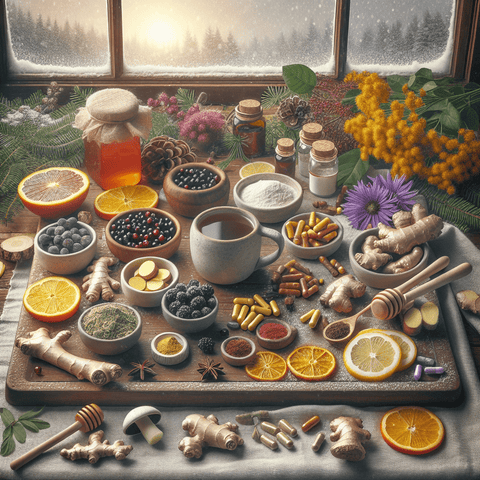
As the seasons change, many people look for natural ways to support their well-being. Herbal flu remedies are a popular topic, with roots in traditional wellness systems that have used plants for centuries. This guide offers a broad introduction to the most common herbs, how they are typically prepared, and what to consider when incorporating them into your routine. Whether you're curious about a warming tea or a steam inhalation, understanding the basics can help you make informed choices.
What Are Herbal Flu Remedies?
Herbal flu remedies are plant-based preparations used to help ease the symptoms and discomforts often associated with the common cold and seasonal flu. Unlike conventional medicine, which targets specific pathogens, herbal remedies are typically used to support the body's natural systems. They may be consumed as teas, taken as tinctures, or used in steam therapies. While widely appreciated in traditional health practices, it's essential to remember that herbs are not intended to cure or treat the flu.
Instead, they are viewed as complementary tools that might help you feel more comfortable while your immune system works. The focus is on gentle support rather than aggressive treatment. This aligns with a broader interest in wellness and preventive care, where the goal is to maintain balance and resilience throughout the year.
Common Herbs for Seasonal Support
Several botanicals are frequently mentioned when discussing herbal flu remedies. Each has its own traditional use and method of preparation. Here are some of the most recognized herbs you may encounter:
- Elderberry: Often prepared as a syrup or tincture, elderberry is a staple in many home remedy traditions. It is usually taken at the onset of symptoms.
- Ginger: Known for its warming sensation, ginger is commonly used in teas and broths. It is prized for its comforting qualities, especially during chilly weather.
- Echinacea: Frequently consumed as a tea or taken in capsule form, echinacea is often used to support immune function. It is one of the best-known herbs for seasonal wellness.
- Peppermint: Peppermint tea is a soothing option, and its menthol content may help promote a sense of easier breathing when inhaled.
This list is not exhaustive, and these herbs are not endorsed as cures. They are included because they appear frequently in traditional wellness contexts. For those interested in a more structured approach to supplementation, exploring options like traditional herbal supplements can provide additional context.
Key Preparation Methods
The way an herbal remedy is prepared can influence not only its taste but also how it is traditionally used. Different methods extract different beneficial compounds from the plant material. Understanding these basic techniques can be helpful when experimenting at home.
Teas and Infusions
Making a tea is the most straightforward approach. To prepare an infusion, place a small amount of dried (or fresh) herb in a cup, pour hot water over it, and cover to keep the volatile compounds contained. Let it steep for several minutes before straining. This method is gentle and versatile, making it a great starting point for beginners.
Steam Inhalation
For those seeking respiratory comfort, steam inhalation is a traditional practice. Pour hot water into a bowl, add a few drops of an essential oil or a handful of herbs, then lean over the bowl with a towel draped over your head. Breathe deeply for a few minutes. This method helps deliver moisture and aromatic compounds directly to the airways.
Tinctures and Syrups
More concentrated preparations like tinctures (alcohol-based extracts) and syrups (often honey-based) are also common. These are typically taken in small doses and offer a longer shelf life. While convenient, they require more effort to prepare correctly, and dosage is more precise.
Safety Considerations and Best Practices
While herbal remedies are generally mild, they are not without considerations. Quality and preparation matter. Always source herbs from reputable suppliers, and ensure they are clean and properly stored. Pay attention to your body's response, and be aware that allergic reactions are possible, even with natural products.
- Use clean, high-quality ingredients and clean equipment for preparation.
- Consult a healthcare provider before using herbs, especially if you are pregnant, nursing, or taking prescription medications.
- Start with small amounts to gauge your individual tolerance.
- Stop use if you experience any adverse reactions and seek medical attention if symptoms are severe.
The information provided here is for educational purposes and is not a substitute for professional medical advice. If you suspect you have the flu, it is important to take appropriate steps, which may include seeing a doctor.
Integrating Herbal Remedies into a Balanced Lifestyle
Herbal remedies can be a pleasant addition to a wellness routine, but they work best when combined with other healthy habits. Adequate rest, proper hydration, and a nutrient-rich diet are fundamental to feeling your best. For some, incorporating specific vitamin C supplements or other antioxidant supplements might also be of interest, though these are not specific flu treatments.
For more detailed information on specific herbs, their uses, and potential interactions, we invite you to explore the individual articles found under this topic. They delve into the nuances of each plant and provide more specific guidance.