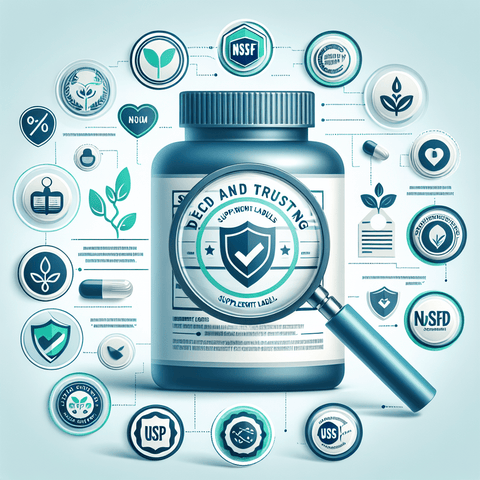
Etiquetado honesto de suplementos: lo que realmente contiene tu botella (sin exageraciones)


La etiquetado honesto de suplementos comienza con claridad sobre qué estás tomando. Con un etiquetado honesto, puedes ver claramente los ingredientes activos y sus cantidades por porción, todos los rellenos y aglutinantes, el tamaño de la porción declarado y cualquier alérgeno. No hay exageraciones, solo hechos presentados para que puedas verificar qué hay en la botella. La idea detrás del "etiquetado honesto de suplementos" es la transparencia: una etiqueta que muestra exactamente qué contiene el producto, sin embellecimientos ni conjeturas. En la etiqueta, los ingredientes activos se listan con las cantidades exactas por porción, junto con los ingredientes inactivos que ayudan a formar la cápsula o tableta. Además, el etiquetado honesto también especifica el tamaño de la porción y cuántas porciones hay en el envase, para que puedas llevar un control preciso del uso. Se identifican los alérgenos y pueden incluirse declaraciones sobre el manejo en instalaciones o posibles contactos cruzados para ayudar a los consumidores a evaluar riesgos. La etiqueta también mostrará las unidades utilizadas para las cantidades y puede incluir notas sobre el procesamiento o la estandarización, todo presentado como detalles fácticos. Esto forma parte del etiquetado honesto de suplementos. Más allá de lo que aparece en la parte frontal, el etiquetado honesto de suplementos incluye información rastreable como el número de lote o de referencia, la fecha de fabricación y la fecha de caducidad. Puede proporcionar información de contacto del fabricante y, cuando sea aplicable, referencias a pruebas de terceros o certificados de análisis (COAs). Estos elementos respaldan la transparencia y permiten a los consumidores verificar que el producto coincide con lo declarado en la etiqueta, sin depender de afirmaciones de marketing. Al priorizar la transparencia en el etiquetado, minoristas y consumidores pueden comparar productos de manera igual y hacer preguntas aclaratorias si algo no está claro. El énfasis está en los hechos, no en el bombo publicitario—empoderándote para leer la etiqueta con confianza y tomar decisiones informadas. Deja que el etiquetado honesto de suplementos sea tu referencia básica para evaluar productos.


Unlocking the Truth About Supplement Labels: What Every Consumer Must Know - Topvitamine
31 de August, 2025
Las etiquetas de suplementos permiten comprobar qué contiene un producto, en qué cantidad y cómo debe utilizarse. Esta guía explica cómo interpretar la porción, los ingredientes, los nutrientes, los alérgenos, las advertencias y las afirmaciones de salud. También aclara el etiquetado nutricional en España, el artículo 215 mexicano y la NOM-051, para que compares productos con criterio y consultes a un profesional cuando sea necesario.

Honest supplement labeling is about clarity and transparency. When you can read and understand exactly what is in a product, you can make more informed choices about what you put into your body. This page explains what honest supplement labeling means, why it matters, and how to read a supplement label effectively. You will also find practical considerations for choosing products that align with transparent labeling practices.

What Is Honest Supplement Labeling?

Honest supplement labeling refers to the practice of providing clear, accurate, and complete information about a dietary supplement on its packaging. This includes listing all ingredients, their amounts, serving sizes, and any relevant warnings or allergen information. The goal is to help consumers understand exactly what they are taking, without misleading claims or hidden substances.

Transparency in labeling allows you to verify that the product contains what it claims and to assess whether it aligns with your dietary needs and preferences. It also enables you to compare products more effectively.

Key Components of a Supplement Label

A well-designed supplement label contains several essential components. Understanding each part helps you read the label with confidence.

The Supplement Facts Panel

The Supplement Facts panel is the most critical part of any supplement label. It provides a standardized summary of the product's nutritional and ingredient information. Key elements include:

  • Serving size and servings per container
  • Amount of each ingredient per serving
  • Percent Daily Value (%DV) for vitamins and minerals
  • Calories and other relevant nutritional data

This panel helps you understand how a serving of the product contributes to your daily nutrient intake.

Other Label Elements

In addition to the Supplement Facts panel, a complete label typically includes:

  • Product name and net quantity of contents
  • List of other ingredients, such as fillers, binders, and natural flavors
  • Name and address of the manufacturer or distributor
  • Batch or lot number, expiration date, and storage instructions

These elements support traceability and quality assurance, allowing you to verify the product's origin and freshness.

Understanding Ingredients and Allergens

A significant part of honest labeling is the clear disclosure of all ingredients, including potential allergens. Most reputable brands will explicitly state if a product contains common allergens such as soy, gluten, dairy, or nuts. They may also include statements about facility handling, indicating whether the product is manufactured in a facility that also processes these allergens.

When reading a label, it's also useful to understand the difference between active ingredients (the nutrients or botanicals the product is designed to deliver) and inactive ingredients (excipients like fillers, binders, and coatings). Knowing this distinction helps you evaluate whether any unnecessary additives are present and whether the product aligns with your dietary preferences.

Practical Considerations for Choosing Supplements

When selecting a supplement, consider the manufacturer's commitment to transparency. Look for brands that provide clear contract information, batch numbers, and references to third-party testing. Third-party testing can offer an additional layer of assurance that the product matches its label claims and is free from harmful contaminants.

It's also wise to be cautious of overly bold claims. If a product promises immediate or dramatic results, it may not be subject to the same scrutiny as more modestly labeled products. The information on a label is meant to inform, not to mislead.

For further guidance on specific supplements, you can explore our natural supplements collection or review our multivitamins guide to learn more about specific products and their ingredients. Understanding labels is the first step toward making confident, informed choices.

Exploring Supplement Categories

Honest supplement labeling applies across various product categories. Whether you are interested in vitamins, minerals, herbal supplements, or specialty products, the same principles of transparency and accuracy apply. Familiarizing yourself with different categories can help you navigate the marketplace more effectively.

For instance, herbal supplements often have their own labeling considerations, including standardized extracts and traditional use information. Learning about these nuances can deepen your understanding of what to look for on a label.

Ultimately, becoming a conscientious label reader is a valuable skill that supports your overall health and well-being. By taking the time to understand what you are consuming, you can make choices that align with your personal health goals.