
¿Los suplementos pueden afectar tus resultados de laboratorio? Esta página explica cómo los suplementos influyen en los resultados de las pruebas. Entender cómo los suplementos afectan los resultados ayuda a los pacientes y a los médicos a interpretar los datos de laboratorio con mayor precisión. Debido a que las pruebas de laboratorio confían en reacciones químicas específicas y métodos de detección, algunos suplementos pueden interactuar con los ensayos y modificar las lecturas incluso cuando el estado de salud de una persona parece no haber cambiado. ¿qué vitaminas y minerales interfieren? La interferencia depende del ensayo específico utilizado, pero se sabe que algunas vitaminas y minerales interactúan con ciertas pruebas bajo condiciones particulares. Por ejemplo, la biotina, una vitamina B, puede afectar las pruebas inmunoensayadas que dependen de la unión biotina-estreptavidina, alterando potencialmente los valores reportados. La vitamina C en dosis elevadas puede influir en las mediciones colorimétricas y en algunas enzymáticas. Minerales como el hierro y el calcio pueden afectar las pruebas que dependen de iones metálicos o reacciones de unión. Es importante recordar que la interferencia es específica del ensayo y no universal, por lo que el mismo suplemento puede o no afectar una prueba determinada. ¿Por qué importa? La interferencia puede alterar los valores numéricos o la tendencia aparente en múltiples pruebas, lo que puede llevar a interpretaciones incorrectas de los resultados. Los médicos dependen de estos resultados para tomar decisiones, por lo que entender las posibles interferencias ayuda a mantener la precisión en el informe de laboratorio. Ser consciente de cómo los suplementos influyen en los resultados de las pruebas favorece una comunicación más clara con el equipo de análisis y una interpretación más confiable de los datos de laboratorio. Pasos simples para garantizar resultados precisos en las pruebas: mantén una lista actualizada de todos los suplementos, incluyendo dosis y marcas. Comparte esta lista con el médico y el personal del laboratorio antes de realizar las pruebas. Revisa las instrucciones previas a la prueba del laboratorio, ya que algunos análisis especifican pautas sobre el uso de suplementos. Consulta acerca del método de prueba o ensayo que se utilizará y si tiene conocidas interferencias con vitaminas o minerales en particular. Si es apropiado, discute el timing en relación con la ingesta de suplementos y si se podría considerar una re-prueba si se sospecha de interferencia.
¿Pueden los suplementos sesgar sus resultados de pruebas? Una guía sencilla sobre cómo afectan las pruebas de laboratorio
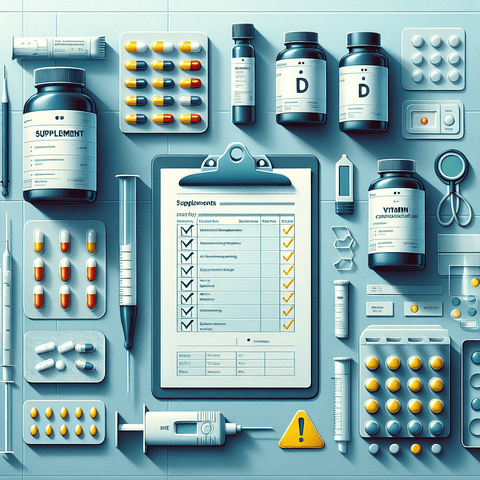
How supplements influence test results is a question that matters for anyone taking vitamins, minerals, or herbal products before a blood test. Many laboratory tests rely on specific chemical reactions and detection methods, and certain supplements can interact with these assays, leading to readings that may not fully reflect your health status. This page provides a broad overview of which supplements may interfere with lab work, why it matters, and practical steps you can take to help ensure accurate outcomes.
What Does It Mean When a Supplement Interferes with a Test?
Laboratory tests measure specific markers in your blood, such as hormones, glucose, enzymes, or nutrients. To do this, labs use a variety of assay methods, each with its own chemical ingredients and detection systems. A supplement can interfere with a test when one of its ingredients affects the assay reaction, producing a result that is higher or lower than the true value.
It is important to understand that interference is assay-specific and not universal. The same supplement may affect one type of test but not another, and the effect often depends on the dose and timing of intake. This means that a supplement can interfere with a test even when your health status appears unchanged.
Common Supplements That May Skew Blood Test Results
While the list of potentially interfering supplements is long, some are more commonly discussed than others. The following categories are frequently mentioned in the context of lab test interference.
Biotin (Vitamin B7)
Biotin is a water-soluble B vitamin found in many multivitamins, prenatal formulas, and beauty supplements for hair, skin, and nails. It is well known to interfere with immunoassay-based tests that use biotin-streptavidin binding. This can affect tests for thyroid function, troponin, and certain hormones, potentially leading to falsely high or falsely low results.
High-Dose Vitamin C
High doses of vitamin C can influence colorimetric and some enzymatic measurements. This can affect tests for glucose, uric acid, and certain liver enzymes. The effect is usually dose-dependent, and standard multivitamin levels are less likely to cause issues.
Minerals Like Iron and Calcium
Minerals such as iron and calcium can affect tests that depend on metal ions or binding reactions. For example, calcium supplements may influence certain blood calcium measurements, and iron supplementation can impact iron panel tests if the assay is not designed to handle high levels.
Herbal Supplements
Herbal supplements can also have an effect, though the interaction may depend on the specific herb and the assay used. Some herbal products may affect blood clotting tests or liver function tests. It is always wise to disclose herbal supplement use to your clinician before testing.
For a closer look at the broader world of supplements, you can explore the Topvitamine natural supplements collection, or find specific information on vitamin B supplements and mineral supplements.
Why Supplement Interference Matters
Interference can change the numerical values of a test or the apparent trend in multiple tests over time. This can lead to misinterpretation of results and potentially unnecessary follow-up tests or changes in medication. Clinicians rely on these results to guide decisions, so understanding potential interference helps maintain accuracy in the lab report.
Being aware of how supplements influence test results supports clearer communication with your testing team. It allows you to provide a more complete picture of everything you are taking, which is essential for the most reliable interpretation of your laboratory data.
Common Tests That Can Be Affected
Some laboratory tests are more frequently mentioned in relation to supplement interference. These include:
- Thyroid function tests, especially TSH and free T4.
- Glucose and HbA1c measurements.
- Kidney function tests such as BUN and creatinine.
- Coagulation panels (e.g., PT/INR).
- Cardiac markers like troponin.
This list is not exhaustive, and the specific impact will depend on the supplement, the dose, and the assay used by the laboratory.
How Long Should You Stop Taking Supplements Before a Test?
There is no single answer that applies to all supplements, as the recommended cessation period varies. Some general guidance often cited includes:
- Biotin: It is often suggested to stop taking high-dose biotin at least 72 hours before blood work.
- Multivitamins: A common recommendation is to pause them 24 to 48 hours before testing.
- Individual vitamins or minerals: The time may depend on the substance and the test. Your healthcare provider can offer specific guidance.
Always follow the specific instructions provided by your clinician or the laboratory, as they may have particular protocols based on the assays they use.
What Supplements Should I Avoid Before Bloodwork?
The main supplements to discuss with your clinician are biotin, vitamin C (especially at high doses), calcium, iron, and any herbal products you take regularly. This does not mean you should stop them on your own, but rather that you should ask whether any of your supplements could interfere with the tests you are scheduled to receive.
What Can Throw Off Blood Test Results?
Besides supplements, other factors can affect blood test results. These include recent food and beverage intake, the time of day, stress levels, physical activity, and certain prescription medications. Being well-hydrated and following fasting instructions, when applicable, are part of good preparation.
Practical Steps for Better Test Preparation
Clear communication and simple preparation can help minimize the risk of interference. Consider the following approach:
- Keep a current list of all supplements, including doses and brands.
- Share this list with your clinician and laboratory staff before testing.
- Check any pre-test instructions from the lab, since some analyses specify guidelines about supplement use.
- Ask about the testing method or assay being used and whether it has known interferences with particular vitamins or minerals.
- Discuss timing relative to supplement intake and whether a retest could be considered if interference is suspected.
The Role of the Healthcare Provider
Your healthcare provider is your best resource for understanding how your specific supplement regimen might interact with your lab tests. They can review your medication and supplement list, order the appropriate test, and interpret the results in light of everything you are taking. A shared decision about whether to pause a supplement should always consider why you are taking it.
This information is for educational purposes and is not a substitute for professional medical advice. Always consult your clinician with questions about your medications, supplements, and upcoming blood tests.