11 alimentos que aumentan la inmunidad para fortalecer tu sistema inmunológico hoy


Esta página se centra en la idea de alimentos que estimulan el sistema inmunológico e invita a que explores cómo una selección cuidadosa puede integrarse en las comidas diarias. El enfoque está en 11 alimentos que potencian la inmunidad como un concepto guía, explicado en términos claros y accesibles. Encontrarás ideas prácticas que combinan cambios sencillos, consejos respaldados por la ciencia y opciones sabrosas—diseñadas para adaptarse a días ocupados. Si tienes curiosidad sobre cómo la idea de los alimentos que fortalecen el sistema inmunológico puede traducirse en decisiones cotidianas, estás en el lugar correcto. Los cambios simples están en el corazón del tema de los alimentos que estimulan el sistema inmunológico. Piensa en pequeños ajustes que puedes hacer en el desayuno, almuerzo, cena o meriendas que estén alineados con este concepto. El objetivo es mantener las comidas agradables mientras exploras la idea de los alimentos que refuerzan la inmunidad en la cocina del día a día. Esta sección enfatiza la practicidad y el sabor, ayudándote a ver cómo el concepto puede desarrollarse en diferentes comidas y ocasiones. Los consejos respaldados por la ciencia brindan una perspectiva reflexiva para pensar en los alimentos que estimulan el sistema inmunológico. La guía se centra en cómo interpretar la información nutricional, cómo leer las etiquetas y cómo planificar las comidas de manera que el concepto de alimentos que fortalecen la inmunidad sea el eje principal. Aunque el énfasis está en entender y aplicar las ideas, los consejos se presentan de modo que fomentan una consideración cuidadosa y una adaptación personal. Las opciones sabrosas y los pasos siguientes dan vida a la idea de los alimentos que potencian la inmunidad con sabores que disfrutarás. Aprenderás cómo armar comidas y meriendas que se ajusten a tus gustos y horarios, todo dentro del marco de los alimentos que estimulan la inmunidad. La página te invita a hacer clic para aprender más y personalizar el enfoque según tus preferencias, para que puedas seguir explorando este concepto de una forma que te resulte adecuada.


What to eat for vitamin A deficiency? - Topvitamine
17 de October, 2025
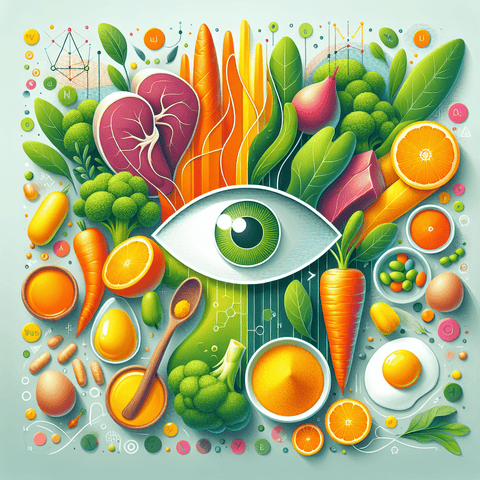
Qué comer para la deficiencia de vitamina A depende de la causa y de la gravedad. Esta guía explica las diferencias entre retinol y betacaroteno, reúne alimentos de origen animal y vegetal, y ofrece ideas para mejorar la absorción. También revisa los síntomas posibles, los efectos del exceso de betacaroteno y las precauciones importantes con suplementos, embarazo, enfermedades y medicación.

What Are Immune-Boosting Foods?

The term “immune-boosting foods” refers to nutrient-dense foods that supply the vitamins, minerals, and antioxidants associated with supporting the immune system. While no single food acts as a magic shield, a balanced diet rich in these foods helps maintain the body’s natural defenses. The focus is on consistent, everyday choices rather than occasional superfoods or quick fixes.

This page provides a broad introduction to immune-boosting foods, explaining their key nutrients, common sources, and how to incorporate them into a busy lifestyle. It serves as a starting point for understanding how diet and immunity are connected, and it complements more detailed articles on specific foods and individual nutrients.

Key Nutrients Behind Immune Support

Several key nutrients are frequently discussed in relation to immune health. Understanding their roles can help you make more informed food choices.

  • Vitamin C: Known for its antioxidant properties, vitamin C is found in citrus fruits, berries, bell peppers, and broccoli.
  • Vitamin D: Often obtained from sunlight exposure and foods like fatty fish, fortified dairy, and egg yolks.
  • Zinc: Present in oysters, red meat, poultry, beans, and nuts, zinc is considered important for normal immune function.
  • Antioxidants: Broader groups like polyphenols and carotenoids, found in colorful fruits and vegetables, help protect cells from oxidative stress.

These nutrients support various aspects of immune function. A varied diet is generally the best way to obtain them, and supplementation might be considered when dietary intake is inadequate. For those exploring supplement options, information on vitamin C supplements and mineral supplements like zinc can provide further guidance.

Making Simple Swaps in Your Daily Meals

Integrating immune-boosting foods into your routine doesn’t require a complete diet overhaul. Simple, sustainable swaps are often the most effective approach.

  • Start with breakfast: Add a handful of berries to your oatmeal or yogurt, or enjoy a glass of citrus juice with your meal.
  • Enhance your lunch: Include a side salad with leafy greens, or choose a sandwich with extra slices of bell pepper or tomato.
  • Revamp your dinner: Incorporate fatty fish like salmon once or twice a week, or add a serving of broccoli or Brussels sprouts.
  • Smart snacking: Instead of processed snacks, reach for a handful of almonds, carrot sticks with hummus, or a piece of fruit.

These swaps are designed to be practical and flavorful, helping you see how a nutrient-rich diet can fit into a busy lifestyle.

How to Read Labels and Interpret Nutrition Information

Navigating food labels can be challenging, but a few key practices can help you make more informed choices.

One important step is to focus on the ingredient list and the nutrition facts panel. Look for foods that are lower in added sugar, sodium, and unhealthy fats, and higher in fiber and essential nutrients. Pay attention to serving sizes to accurately gauge nutrient content. For supplements, checking for third-party testing or certification can provide assurance of quality and purity. You can also explore resources on antioxidant supplements to understand how these products support general wellness.

Building a Balanced Approach to Immunity

A diet rich in immune-boosting foods is one important component of a healthy lifestyle. It works best in combination with other habits, such as getting enough sleep, managing stress, staying hydrated, and engaging in regular physical activity. These factors collectively help maintain a strong and responsive immune system.

If you have specific health concerns or questions about your diet, it’s always wise to consult with a healthcare professional or a registered dietitian. They can provide personalized advice based on your individual needs.

Quick Answers to Common Questions About Immune Support

Short-term dietary changes might offer some benefit, but a week is rarely enough time to see significant changes in immunity. Sustainable, long-term habits are more effective.

Improving your immune system quickly usually means focusing on foundational habits: eating a balanced diet, prioritizing sleep, and reducing stress. There is no instant solution. Common signs of a weakened immune system might include frequent infections, slow-healing wounds, or persistent fatigue. While diet plays a role, persistent symptoms should always be discussed with a doctor.

Staying hydrated is also key. Water is essential for all bodily functions. Options like green tea, which contains antioxidants, can be a beneficial addition to your fluid intake.

Exploring the Topic Further

This tag page provides a broad overview of immune-boosting foods. For more detailed information, explore the associated articles that take a deeper dive into specific topics. From the role of individual vitamins to the best sources of key minerals and the science behind herbal supplements, you’ll find a wealth of focused resources.

By starting here, you can build a solid understanding of the map of this topic, then journey into the articles that interest you most. The goal is to support your journey towards a more informed and confident approach to your health.