Aumenta tu sistema inmunológico: formas respaldadas por la ciencia para mantenerte más saludable


El refuerzo del sistema inmunológico es un término que puedes encontrar cuando las personas discuten formas de mantenerte más saludable. Esta página presenta estrategias respaldadas por la ciencia para apoyar el sistema inmunológico mediante pasos prácticos que cubren nutrición, sueño, control del estrés y ejercicios. En lugar de soluciones rápidas, estos enfoques enfatizan patrones consistentes que los investigadores estudian como parte del fortalecimiento inmunológico. Al describir acciones simples y flexibles, te ayudamos a crear una rutina sostenible que se adapte a tu vida. Encontrarás orientación sobre cómo estructurar hábitos diarios, alinear actividades con tus niveles de energía y monitorear cómo te sientes con los cambios a lo largo del tiempo. La calidad y regularidad del sueño son fundamentales en las discusiones sobre el refuerzo inmunológico. Prioriza un horario de sueño constante, una rutina relajante antes de dormir y un ambiente cómodo, sin distracciones. Las técnicas para controlar el estrés —como la atención plena, los ejercicios de respiración y las estrategias de gestión del tiempo— apoyan un estado fisiológico más estable. Pequeñas prácticas regulares, como reservar tiempo para relajarse y limitar las pantallas por la noche, pueden mejorar la calidad del sueño y la resiliencia general. El objetivo es integrar estas prácticas en tu rutina hasta que se vuelvan partes automáticas de tu vida diaria. La actividad física es otra columna en las conversaciones sobre el fortalecimiento inmunológico. Enfatiza el movimiento regular que disfrutes y puedas mantener, con una mezcla de esfuerzos suaves y más intensos a lo largo de la semana. Prioriza la consistencia y el progreso gradual, e incluye días de recuperación para escuchar a tu cuerpo. Al planificar tus entrenamientos, considera tu nivel de condición física actual, tus metas y cualquier consideración médica, y ajusta en consecuencia. Usa este marco para crear un régimen equilibrado que apoye tu bienestar en general. La nutrición, en el contexto del fortalecimiento inmunológico, se centra en construir patrones estables en torno a la alimentación que apoyen la energía y el bienestar, sin depender de comidas rápidas o atajos. Piensa en términos de rutinas equilibradas, horarios de comida que encajen en tu día y elecciones conscientes que puedas mantener a largo plazo. Combina esto con estrategias deliberadas de sueño y control del estrés para crear un plan cohesivo. Monitorea cómo responden a esos cambios tu energía, estado de ánimo y funcionamiento diario, y ajusta según sea necesario.


8 Benefits of Probiotics You Should Know - Topvitamine
02 de May, 2026
Los probióticos son microorganismos vivos que, en cantidades adecuadas, pueden contribuir al equilibrio de la microbiota intestinal. Esta guía explica los beneficios del probiótico con más respaldo científico —apoyo digestivo, regularidad, diarrea asociada a antibióticos—, cuándo tomarlo, cómo tomarlo correctamente y qué ocurre si lo tomas todos los días. También aprenderás a elegir un suplemento probiótico de calidad según cepa, dosis en UFC y formato, con las precauciones de seguridad más importantes.
Can Zinc Help Your Immune System? - Topvitamine
17 de January, 2026
El zinc es un mineral esencial que contribuye al funcionamiento normal del sistema inmunológico. Este artículo explica cómo obtenerlo mediante la alimentación, cuándo puede considerarse un suplemento y qué diferencias existen entre la ingesta diaria recomendada y las dosis más altas. También aborda el uso de zinc para resfriados, el embarazo, la diabetes, las interacciones y los posibles riesgos de tomarlo todos los días.
What diseases do we prevent by taking vitamin C? - Topvitamine
29 de November, 2025
La vitamina C es esencial para formar colágeno, mantener la función inmunitaria y mejorar la absorción del hierro. Una ingesta adecuada previene el escorbuto, pero no garantiza evitar resfriados, dermatitis, neumonía, cáncer u otras enfermedades. En este artículo encontrarás sus principales beneficios, señales de deficiencia, fuentes alimentarias, referencias de ingesta y consejos de seguridad para valorar un suplemento.
Does vitamin C give you energy? - Topvitamine
13 de November, 2025
La vitamina C no funciona como un estimulante ni proporciona un impulso de energía inmediato. Sin embargo, contribuye a funciones importantes como el metabolismo energético, la absorción del hierro, la protección antioxidante y el funcionamiento normal del sistema inmunitario. En caso de ingesta insuficiente, corregirla podría ayudar a mejorar el bienestar, pero la fatiga persistente requiere valorar otras causas con un profesional sanitario.

What are the benefits of taking vitamin C? - Topvitamine
28 de October, 2025
La vitamina C contribuye al funcionamiento normal del sistema inmunitario, la formación de colágeno, la protección de las células frente al estrés oxidativo y la absorción del hierro. En esta guía encontrarás sus principales beneficios, los alimentos que la contienen, cuándo puede ser útil un suplemento de vitamina C y qué precauciones conviene considerar antes de tomar dosis elevadas.
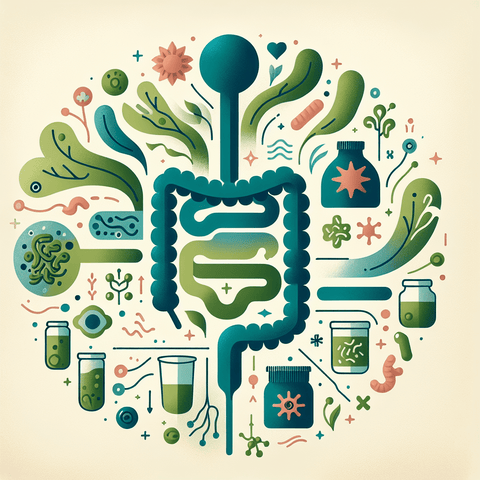
What is probiotics good for? - Topvitamine
26 de October, 2025
Los probióticos son microorganismos vivos que, en cantidades adecuadas, pueden apoyar el equilibrio de la microbiota intestinal y la función digestiva. En esta guía explicamos sus posibles beneficios, la diferencia entre probióticos y enzimas digestivas, cómo elegir un suplemento y cuándo consultar con un profesional sanitario. También encontrarás respuestas sobre hinchazón, antibióticos, conservación y el mejor apoyo general para tu digestión.

Immune boosting is one of the most popular health topics, especially during cold and flu season. The phrase covers the broad set of habits, nutrients and lifestyle choices people use to support their body's natural defences. Because the immune system is complex and influenced by many factors at once, this page focuses on what is broadly and realistically understood, rather than on quick fixes.

Below you will find a clear overview of the topic: what immune boosting actually means, which everyday habits are most often discussed, how nutrition and specific nutrients fit in, and what realistic expectations look like. The articles associated with this tag then explore individual questions in more depth.

What Does Immune Boosting Mean?

The immune system is a network of cells, tissues and processes that work together to help defend the body. Boosting it is a popular phrase, but immune function is not something you can switch on overnight. Researchers generally look instead at how consistent, long-term patterns — diet quality, sleep, physical activity and stress levels — relate to how well the immune system performs over time.

This page therefore uses immune boosting in a broad, practical sense: supporting your immune system through sustainable daily habits rather than chasing instant results. That framing also helps separate well-established fundamentals from the exaggerated claims often found online.

Everyday Habits Commonly Linked to Immune Health

Four areas come up most often: sleep, stress, physical activity and nutrition. Each influences your overall daily wellbeing, and together they shape the routines most often recommended as a starting point.

Sleep and Recovery

Sleep quality and regularity are central to immune-health discussions. A consistent sleep schedule, a calming pre-bed routine and a comfortable, distraction-free environment all support restful nights. Small, regular practices — such as limiting late screens and setting aside time to unwind — can make quality sleep easier to achieve.

Stress Management

Ongoing stress affects overall wellbeing, which is why stress control features so often in immune-boosting conversations. Mindfulness, breathing exercises and realistic time-management strategies can help create a steadier physiological state. Even short, regular pauses to relax can contribute over time.

Physical Activity

Regular movement is another pillar. Choose activity you enjoy and can sustain, mixing gentler and more vigorous efforts across the week. Prioritize consistency and gradual progression, include recovery days, and adjust for your current fitness level, goals and any medical considerations.

Nutrition and Nutrients for Immune Support

Nutrition is where most people begin. Rather than depending on single meals, individual superfoods or shortcuts, immune-supportive eating is about steady, balanced patterns: plenty of vegetables and fruit, adequate protein, whole grains and meal timing that fits your day. Pair this with deliberate sleep and stress-management strategies, and track how your energy, mood and daily functioning respond so you can adjust as needed.

Several nutrients are frequently discussed in relation to the immune system. Vitamin C is perhaps the best known and is widely associated with the normal function of the immune system, particularly as part of a varied, balanced diet.

Other nutrients and dietary factors that often appear in immune-health conversations include:

  • Vitamin D — often mentioned in connection with seasons that bring less sunlight, and widely studied as part of general health.
  • Zinc, selenium and other minerals — involved in many of the body's normal processes.
  • Protein and overall dietary variety — the everyday building blocks of a balanced eating pattern.
  • Hydration — water and unsweetened drinks as part of your daily fluid intake.

Keeping Expectations Realistic

One of the most common questions is whether there is a fast way to strengthen your defences. The honest answer is that consistency beats intensity. Sleep, stress, movement and nutrition work together, and their effects build over weeks and months rather than overnight. Products that promise to instantly supercharge immunity deserve healthy skepticism, especially when the claims sound too good to be true.

It is also important to distinguish general education from medical advice. If you often feel unwell, suspect your immune system may be weakened, or take regular medication, speak with a doctor or qualified healthcare professional before making significant changes or starting supplements.

Frequently Asked Questions About Immune Boosting

Is There a Fastest Way to Boost Your Immune System?

There is no proven shortcut that raises immunity instantly. Because immune function depends on many factors, the most dependable approach is a consistent routine built around sleep, balanced nutrition, regular activity and stress management.

Which Vitamins and Minerals Are Associated With Immune Function?

Vitamin C, vitamin D and zinc are among the nutrients most often discussed in this context. They contribute to the normal function of the immune system when consumed in adequate amounts as part of a balanced diet and healthy lifestyle. No single nutrient is a magic solution, and more is not automatically better. If you want to compare options, our mineral supplements guide is a useful place to see how nutrients such as zinc and selenium fit into a broader routine.

What Should You Drink to Support Your Immune System?

Water is the best everyday choice, and unsweetened drinks such as herbal teas can contribute to your daily fluid intake. Although some beverages are marketed as immunity boosters, no drink strengthens your defences on its own. Hydration works best alongside the broader habits described on this page.

Use this page as your starting point for the topic, then browse the related articles below to explore specific nutrients, habits and questions in more depth. Whatever your current routine looks like, gradual and sustainable changes are usually easier to maintain than dramatic overhauls.