Sistema inmunológico: Cómo funciona y cómo fortalecerlo


Explora cómo el sistema inmunológico te protege y obtén consejos prácticos respaldados por la ciencia—como dormir, alimentarte y moverás—para potenciar la inmunidad de manera segura y efectiva. El sistema inmunológico es una red de barreras, células y moléculas de señalización que protegen el cuerpo de amenazas. Incluye barreras físicas como la piel y las membranas mucosas, así como células inmunológicas como macrófagos, neutrófilos y linfocitos. El sistema inmunológico funciona en etapas, con componentes innatos que proporcionan una defensa rápida y general y componentes adaptativos que aprenden a reconocer invasores específicos mediante anticuerpos. Vasos linfáticos y órganos como los ganglios linfáticos ayudan a coordinar las respuestas, mientras que las moléculas de señalización llamadas citocinas permiten la comunicación entre las células. Entender este sistema puede iluminar cómo el cuerpo mantiene el equilibrio en un entorno dinámico. Las observaciones respaldadas por la ciencia muestran que los patrones de sueño influyen en el funcionamiento del sistema inmunológico. Durante el sueño, el cuerpo ajusta la señalización inmunológica y la actividad de las células inmunes, lo que puede afectar la organización de las respuestas al día siguiente. Dormir de manera constante ayuda a apoyar el momento y la coordinación de estos procesos, mientras que las interrupciones pueden alterar los ritmos que alinean la función del sistema inmunológico con la vida diaria. Por eso, el sueño se discute a menudo como parte de un enfoque más amplio para el bienestar que respeta los ciclos naturales del cuerpo. La alimentación y el sistema inmunológico están relacionados a través de la disponibilidad de recursos que apoyan los procesos inmunológicos. Una ingesta equilibrada ayuda a garantizar que las células inmunes y las vías de señalización tengan los componentes que necesitan para funcionar en condiciones normales. En lugar de centrarse en etiquetas dietéticas, la idea es mantener la adecuación nutricional en toda la dieta para que el sistema inmunológico pueda operar en su rango habitual. La investigación continúa explorando cómo diferentes patrones de ingesta se relacionan con la dinámica del sistema inmunológico en la salud y en contextos de enfermedad. El movimiento y la actividad física interactúan con el sistema inmunológico de maneras que reflejan la regulación de múltiples sistemas del cuerpo. La actividad física regular y segura puede influir en la dinámica del sistema inmunológico apoyando la circulación, el equilibrio metabólico y la regulación del estrés. La relación depende de factores como la intensidad, la duración y el contexto individual, por lo que la personalización y la seguridad son clave. Al integrar el movimiento en la vida diaria de manera reflexiva, te alineas con principios respaldados por la ciencia que respetan el papel del sistema inmunológico en el mantenimiento del equilibrio.


10 Reasons Your Immune System Feels Weak - Topvitamine
28 de April, 2026
Descubre las 10 principales razones por las que tu sistema inmunológico podría sentirse débil y aprende consejos prácticos para fortalecer tu inmunidad hoy mismo. ¡Mantente saludable y lleno de energía con nuestros conocimientos expertos!
8 Ways to Support Your Immune System Without Supplements - Topvitamine
09 de April, 2026
Fortalecer el sistema inmunológico sin suplementos depende sobre todo de hábitos constantes, no de soluciones rápidas. En este artículo encontrarás ocho estrategias prácticas: comer de forma variada, dormir bien, moverte, gestionar el estrés, exponerte a la luz natural con prudencia, mantener una higiene adecuada, cuidar tus relaciones y respetar horarios regulares. También explicamos el papel de la microbiota intestinal y las limitaciones de las pruebas comerciales del microbioma.
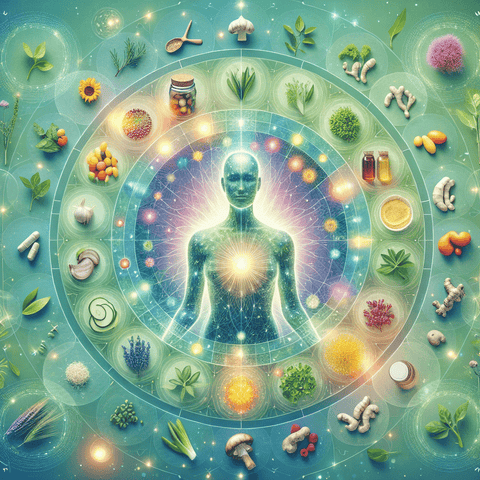
Discover the Top Proven Strategies to Boost Your Immune System Naturally - Topvitamine
31 de August, 2025
Fortalecer el sistema inmunológico de forma natural no depende de una solución rápida, sino de mantener una alimentación variada, dormir bien, hacer actividad física y gestionar el estrés. Los suplementos de vitamina C, vitamina D o zinc pueden ser útiles cuando existe una ingesta insuficiente o una necesidad concreta, pero no sustituyen una dieta equilibrada ni la atención médica. Esta guía explica estrategias prácticas, límites de los suplementos y señales que conviene consultar.

Your immune system is an intricate network of cells, tissues, and organs that work together to defend your body against harmful invaders like bacteria, viruses, and toxins. It's your body's natural defense mechanism, constantly patrolling for potential threats while distinguishing them from your own healthy cells. Understanding how this system functions—and the factors that influence it—can help you make informed choices about your overall well-being.

What Is the Immune System and How Does It Work?

The immune system is a multi-layered defense network that protects the body from foreign substances and pathogens. It consists of physical barriers, a variety of specialized cells, and signaling molecules that coordinate responses to potential threats.

The system operates at two main levels:

  • Innate immunity: This is your body's first line of defense. It provides immediate, non-specific protection through physical barriers like the skin and mucous membranes, as well as through general cellular responses.
  • Adaptive immunity: This level develops over time as your body learns to recognize specific pathogens. It involves specialized cells such as B-lymphocytes and T-lymphocytes that produce antibodies and mount targeted responses against particular invaders.

Communication is essential to immune function. Cells send and receive signals through molecules called cytokines, while lymphatic vessels and organs like lymph nodes serve as meeting points where immune cells coordinate their activities. This sophisticated system works continuously to maintain balance and protect against harm.

Signs That Suggest a Weakened Immune System

While everyone's immune system varies in its effectiveness, certain patterns may indicate that your defenses could use additional support. Common signs that people often associate with a weakened immune system include:

  • Frequent or recurring infections, such as colds or respiratory infections
  • Slow or delayed recovery from illnesses
  • Persistent fatigue that doesn't resolve with adequate rest
  • Digestive issues, since gut health is closely connected to immune function
  • Slow-healing wounds or frequent skin infections

It's important to note that experiencing one or more of these signs doesn't necessarily mean you have a weak immune system. Various lifestyle, genetic, and environmental factors can influence how your immune system responds. If you're concerned about your immune health, it's advisable to consult with a healthcare professional rather than self-diagnosing.

Lifestyle Factors That Support Immune Health

Several everyday habits can influence how well your immune system functions. While no single action guarantees a stronger immune response, consistently supporting your body through basic healthy practices can create favorable conditions for optimal immune function.

Quality Sleep and Immune Function

Sleep plays a significant role in immune regulation. During sleep, your body adjusts immune signaling and the activity of immune cells, which can influence how responses are organized the following day. Consistent, restorative sleep helps maintain the natural rhythms that align immune function with daily life. Disruptions to your sleep pattern can affect this coordination, which is why adequate rest is frequently discussed as part of a holistic approach to well-being.

Nutrition and the Immune System

The foods and nutrients you consume provide the raw materials that immune cells need to function properly. A balanced dietary pattern helps ensure that your immune system has the resources it requires to operate under normal conditions. Instead of focusing on rigid dietary labels, the emphasis should be on maintaining nutritional adequacy across your diet.

Key nutrients that are often discussed in the context of immune support include vitamins A, C, D, and several B vitamins, as well as minerals like zinc and selenium. These can be obtained through a varied diet that includes fruits, vegetables, whole grains, lean proteins, and healthy fats. For those with specific dietary restrictions or gaps, certain supplement categories may provide additional support.

Physical Activity and Immune Regulation

Regular, safe physical activity can influence immune system dynamics by supporting circulation, metabolic balance, and stress regulation. The relationship depends on factors such as intensity, duration, and individual context. Moderate, consistent movement is generally considered supportive of immune health, while excessive, exhaustive exercise without adequate recovery may temporarily affect immune function. Personalization and safety are key when integrating movement into your daily life.

Common Conditions Related to the Immune System

The immune system is complex, and its proper functioning depends on a delicate balance. When this balance is disrupted, various conditions may arise. Some of the more commonly recognized categories include:

  • Autoimmune diseases: These occur when the immune system mistakenly attacks healthy cells, such as in type 1 diabetes, rheumatoid arthritis, or multiple sclerosis.
  • Immunodeficiency disorders: These involve a weakened or absent immune response, making the body more susceptible to infections. These can be inherited or acquired.
  • Allergies: These are hypersensitivity reactions where the immune system overreacts to typically harmless substances like pollen, certain foods, or pet dander.

These broad categories represent just a few examples of how immune system dysregulation can manifest. Each involves different mechanisms, triggers, and management strategies, and they are typically diagnosed and treated by healthcare professionals.

Supplements and Immune Support: What to Consider

Many people turn to dietary supplements as part of their approach to supporting immune health. While supplements can help fill nutritional gaps, they are not substitutes for a balanced diet and healthy lifestyle. The scientific evidence supporting specific supplements for immune function varies, so it's important to approach this topic with informed caution.

For those exploring supplement options, certain nutrients and product categories are frequently discussed in connection with immune support. We carry a wide range of premium vitamins and supplements at Topvitamine. You may find our

When considering supplements, it's important to:

  • Look for high-quality products from reputable brands
  • Check for third-party testing or certifications where available
  • Follow recommended dosages and instructions on the label
  • Consult with a healthcare provider, especially if you have underlying health conditions or are taking medications

Exploring Immune Health Topics in Greater Depth

This page provides a broad overview of the immune system and the many factors that can influence its function. The following pages delve deeper into specific topics related to immune health, offering more detailed information for those interested in exploring further:

From understanding the specific roles of individual nutrients to exploring how different lifestyle habits affect immunity, the blog articles associated with this tag provide practical insights and evidence-informed guidance. Whether you're looking to understand how sleep impacts your defenses, which foods might be most beneficial, or whether a particular supplement could be right for you, these resources offer valuable perspectives.

Always remember that individual needs vary, and what works for one person may not be appropriate for another. General information can help you make more informed decisions, but it's always wise to consider your personal health circumstances when making choices about your well-being.