Selección Informada de Suplementos: Una Guía Práctica y Basada en Evidencias


Lograr una selección informada de suplementos significa abordar los productos con un plan claro, fundamentado en evidencia y análisis crítico. Esta guía práctica y basada en la evidencia ayuda a los lectores a desarrollar los hábitos y habilidades necesarios para evaluar afirmaciones, comparar estudios, leer etiquetas y tomar decisiones más seguras e inteligentes. Al centrar el proceso en el pensamiento crítico en lugar de impresiones de marketing, puedes construir un marco confiado para juzgar qué vale la pena considerar. El enfoque está en la selección informada de suplementos: identificar qué información importa, dónde encontrarla y cómo usarla para tomar decisiones bien fundamentadas. Para comenzar, aprende a analizar las afirmaciones y separar el lenguaje de marketing de la información verificable. Busca detalles que puedas verificar: qué se está afirmando, qué evidencias lo respaldan y quién patrocinó dichas evidencias. Distingue entre declaraciones generales y resultados precisos, y prioriza las fuentes que proporcionen detalles metodológicos. Prefiere aquellas que hagan referencia a investigaciones revisadas por pares, guías o revisiones independientes; desconfía de testimonios o lenguaje ambiguo que carezca de fundamentación. Un enfoque basado en la evidencia fortalece la selección informada de suplementos al anclar las decisiones en lo que realmente muestra la investigación, no en lo que sugiere la publicidad. Comparar estudios requiere atención al diseño, la población y el contexto. Considera si un estudio utiliza un diseño robusto (por ejemplo, aleatorio, controlado y enmascarado cuando sea posible), el tamaño y las características de la población estudiada, y la duración de la observación. Observa cómo se miden los resultados y si los mismos puntos finales aparecen en varios estudios. Revisa posibles sesgos, como las fuentes de financiamiento o conflictos de interés, y busca revisiones sistemáticas o metaanálisis que sintetizan los hallazgos en lugar de depender de un solo ensayo. Estas prácticas son esenciales para una selección informada de suplementos, ya que te ayudan a evaluar la consistencia y fiabilidad de la evidencia disponible. La alfabetización en etiquetas es un pilar práctico de la selección informada de suplementos. Lee cuidadosamente las listas de ingredientes, observa los tamaños de las porciones indicados y toma nota de cualquier advertencia o información sobre alergias. Busca indicadores de calidad y seguridad, como sellos de pruebas independientes, certificaciones de buenas prácticas de fabricación, números de lote y fechas de vencimiento. Si alguna información es confusa en la etiqueta, busca aclaraciones del fabricante o de un profesional calificado antes de continuar. Finalmente, utiliza una lista de verificación estructurada para comparar productos lado a lado, y recuerda que tomar decisiones más seguras e inteligentes requiere paciencia y evaluación continua, no conclusiones rápidas.


Discover the Ultimate Guide to Choosing Safe and Effective Nutritional Supplements - Topvitamine
31 de August, 2025
Elegir suplementos seguros y eficaces requiere más que seguir tendencias o promesas publicitarias. En esta guía encontrarás un método práctico para valorar la necesidad real, la evidencia disponible, la etiqueta, la calidad, la dosis y las posibles interacciones. También aclaramos qué suplementos pueden ser útiles en determinadas circunstancias y por qué no existe una lista universal que todas las personas deban tomar.
How to Choose Between Synthetic and Natural Supplements: A Guide to Making Informed Decisions - Topvitamine
24 de August, 2025
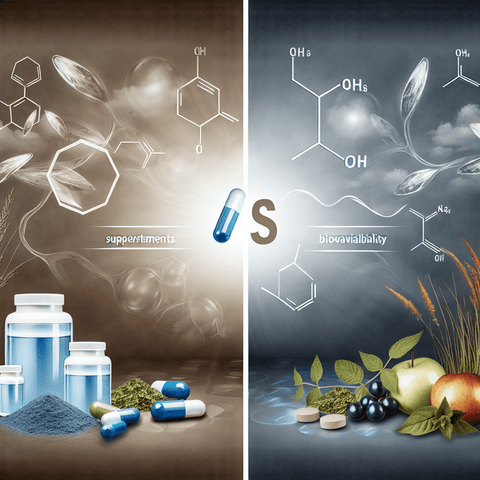
Los suplementos sintéticos y naturales pueden aportar nutrientes útiles, pero ninguno es automáticamente mejor. La decisión depende del nutriente, su forma química, la dosis, la calidad del fabricante, tus restricciones dietéticas y tus necesidades personales. Esta guía explica sus diferencias, propone un método práctico para evaluar productos y resume las precauciones más importantes, especialmente si tomas medicamentos, tienes una enfermedad o estás embarazada o en periodo de lactancia.

Choosing a dietary supplement can feel overwhelming given the number of products on the market. Informed supplement selection is a practical approach that helps you evaluate options based on evidence, quality, and your own health needs. This guide explains the core principles of making well-reasoned supplement choices, from understanding labels to assessing the credibility of research.

What Is Informed Supplement Selection?

Informed supplement selection is the practice of choosing dietary supplements through careful analysis rather than impulse or marketing influence. It involves understanding what a product contains, why those ingredients are used, and how they might interact with your body. This process prioritizes knowledge and critical thinking, helping you move beyond surface-level product descriptions.

At its core, this approach is about becoming a more engaged consumer. Instead of accepting a claim at face value, you learn to ask questions, seek out reliable information, and compare products logically. This foundation helps you make choices that are more likely to be suitable for your individual health profile and goals.

Reading and Understanding Supplement Labels

A supplement label contains essential information that forms the basis of informed selection. Learning to read this information correctly is one of the most valuable skills you can develop.

Key elements on a label typically include the serving size, which tells you how much of the product is intended per serving, and the amount of each ingredient per serving. The ingredient list provides insight into what the product contains, including inactive components, fillers, and binders. Paying attention to these details helps you understand exactly what you are consuming.

It is also important to observe any warnings or allergen information listed on the label. These notices are there for your safety and can help you avoid ingredients that may be problematic for you. Understanding the difference between established nutrients and proprietary blends is another aspect of label literacy, as blends may not disclose the amount of each individual ingredient.

Evaluating Ingredient Quality and Forms

Not all ingredients are created equal. The quality of a supplement depends significantly on the source of its ingredients and the forms in which they are provided. For example, certain vitamins and minerals come in several chemical forms, which can affect how well they are absorbed and utilized by the body.

When evaluating a product, consider what is known about the ingredient forms used. Some forms may be more bioavailable, meaning they are more readily absorbed than others. However, the best choice often depends on the specific nutrient and individual factors, so it is helpful to look for information that explains these differences.

Understanding the source of ingredients can also be a factor, particularly for plant-based or whole-food supplements. While sourcing alone does not guarantee quality, it is part of the broader picture of how a product is made. This information is often available on the product packaging or the manufacturer's website.

Assessing Research and Health Claims

Supplement marketing often features bold claims about benefits and effects. An informed approach requires you to evaluate these claims critically. Understanding how to assess research is a key part of this process.

When looking at a study, consider its design. Randomized, double-blind, placebo-controlled trials are generally considered to provide stronger evidence than other types of studies. Also consider the size of the study and the characteristics of the participants. Results from a small or narrowly focused study may not apply to the general population.

Be cautious of information that relies solely on testimonials or personal anecdotes. While individual stories can be compelling, they are not scientific evidence. Independent reviews and systematic analyses that synthesize multiple studies are usually more reliable sources of information than a single study or a marketing claim.

Third-Party Testing and Quality Assurance

A significant indicator of a supplement's quality is whether it has been independently tested for purity and potency. Third-party testing means that an outside organization, rather than the manufacturer, verifies that the product contains what is stated on the label and does not contain harmful contaminants.

Some products display seals or certifications from independent testing organizations. These seals can be a helpful signal that a product has met certain quality standards. However, the absence of a seal does not necessarily mean a product is poor quality; instead, you may need to do additional research into the manufacturer's practices.

Looking for batch numbers and expiration dates on the packaging is another simple way to assess quality. These markers indicate a level of traceability and quality control in the manufacturing process. Familiarizing yourself with these aspects of product quality can help you feel more confident in your selection.

Practical Steps for Making a Choice

Having a structured approach can make the selection process more manageable. Here are some practical steps to consider when evaluating a supplement.

  • Identify your specific health goals and the reasons you are considering a supplement.
  • Research reputable sources about the ingredients you are considering, including their general role and any known interactions.
  • Compare products by looking at the full label, including the amount of active ingredients and the forms used.
  • Check for any third-party testing seals and review the manufacturer's quality practices.
  • Be wary of products that make exaggerated claims or promise quick, dramatic results.

This structured approach can help you make decisions that feel grounded and well-reasoned. It also helps you avoid being swayed by attractive packaging or persuasive advertising.

Common Supplement Categories and Ingredients

The world of supplements includes a wide variety of categories, from vitamins and minerals to herbal extracts and specialty ingredients. Understanding these broad categories can help you navigate your options and identify the type of product that may be relevant to your needs.

Vitamins and minerals are essential nutrients that support numerous bodily functions. Many people take a multivitamin to help fill potential gaps in their diets. Individual nutrients, such as vitamin D, vitamin C, magnesium, or calcium, are also commonly used for specific reasons. Exploring the different types of vitamins and minerals available can help you understand what each offers.

Herbal and botanical supplements represent another major category. These products are derived from plants and come in various forms, such as extracts, powders, or teas. Other categories include omega-3 fatty acids, probiotics, and amino acids. Each of these has its own set of considerations and factors to evaluate when making a selection.

If you are exploring different types of nutritional products, a good starting point is to look at the range of available categories, such as vitamins for general wellness or specialty ingredients. You can find a wide array of products to compare within our various collections at Topvitamine, including broad categories like multivitamins and individual nutrients such as magnesium or calcium. For those interested in specific types of products, exploring collections focused on these areas can be a useful first step.