
El hígado es un ingrediente versátil descrito como rico en vitamina A, que ofrece un sabor profundo y terroso y una textura suave y firme. Su perfil compacto y denso en nutrientes lo convierte en una opción destacada en muchas cocinas, donde una pequeña cantidad puede marcar una gran diferencia para dar carácter y riqueza a un platillo. Debido a su alto contenido de vitamina A, el ingrediente presenta un color y aroma distintivos que guían su preparación. Las diferentes variedades, desde vacuno hasta pollo y pato, aportan notas únicas, invitando a una variedad de condimentos y acompañamientos. Su tamaño compacto y su presencia llamativa en el plato lo convierten en un punto focal para una cocina sencilla y segura. Formas fáciles y sabrosas de prepararlo y disfrutarlo incluyen saltearlo rápidamente en una sartén caliente para desarrollar una corteza dorada, y terminar con un toque de aromáticos como cebollas o hierbas. También puede saltearse, incorporarse en un puré cremoso o usarse para enriquecer salsas y gravies. Las combinaciones a menudo enfatizan el equilibrio y el contraste, ofreciendo una armonía agradable en texturas y sabores. Para su selección y almacenamiento, busque hígado con una superficie lisa y sensación firme, libre de manchas oscuras o aromas demasiado fuertes. Refrigere de inmediato, envuélvalo para protegerlo de otros sabores y consúmalo en unos pocos días o congélelo para almacenarlo por más tiempo. Este método mantiene el carácter rico en vitamina A del hígado intacto mientras planifica formas fáciles y sabrosas de disfrutarlo.
Hígado: La potencia de la vitamina A - Por qué este alimento rico en vitamina A debe estar en tu dieta
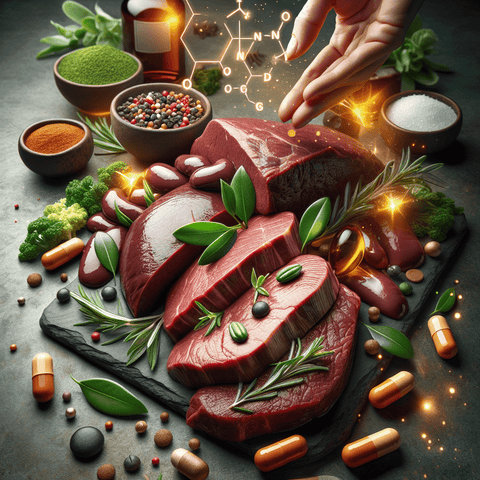
Why Liver Is a Vitamin A Powerhouse
Liver is often described as a nutrient-dense food, and its vitamin A content is a major reason. As an organ meat, liver stores preformed vitamin A (retinol), a form that the body can absorb and use directly. This contrasts with plant sources of vitamin A, such as carrots or spinach, which provide provitamin A carotenoids that the body must convert. Because of this, liver rich in vitamin A is a notable dietary source of this essential nutrient. Beyond vitamin A, liver also provides iron, vitamin B12, copper, folate and other micronutrients. This combination makes it a compact, nutrient-dense option in many traditional cuisines.
How Vitamin A in Liver Compares to Other Sources
Vitamin A is found in two main forms in the diet: preformed vitamin A (retinol and retinyl esters) from animal sources, and provitamin A carotenoids from plant sources. Liver stands out because it contains preformed vitamin A in high amounts. Other animal sources include eggs, dairy and fish oils, but liver is generally the most concentrated. Plant sources like sweet potatoes, carrots and leafy greens provide beta-carotene, which the body converts to vitamin A. The efficiency of this conversion varies among individuals. This is why liver is often highlighted as a direct and potent source of vitamin A in dietary discussions.
Types of Liver and Their General Characteristics
Different animals provide different types of liver, each with its own flavour, texture and nutritional profile. The most commonly consumed varieties include beef, chicken, lamb, pork and cod liver. Understanding these differences can help you choose the right type for your meals and dietary preferences.
- Beef liver: Known for its deep, robust flavour and firm texture. It is often considered one of the most concentrated sources of vitamin A among liver types.
- Chicken liver: Milder in flavour and softer in texture, making it a popular choice for pâtés, spreads and quick sautés.
- Lamb liver: Stronger in taste and slightly denser than chicken liver, often used in traditional dishes.
- Pork liver: Similar to beef liver but with a slightly different flavour profile, commonly used in European cuisines.
- Cod liver: Notable for its vitamin A and vitamin D content, as well as its omega-3 fatty acids. It is often consumed as cod liver oil or as a spread.
For those exploring vitamin A sources, our vitamin A benefits, sources and safety guide provides a broader overview of this nutrient.
Nutritional Profile Beyond Vitamin A
While vitamin A is a headline nutrient in liver, it is not the only one. Liver also provides:
- Iron: Particularly heme iron, which is more easily absorbed by the body than non-heme iron from plant sources.
- Vitamin B12: Essential for normal nervous system function and red blood cell formation.
- Copper: A trace mineral involved in iron metabolism and antioxidant defence.
- Folate: A B vitamin important for cell division and healthy pregnancy.
- Riboflavin (vitamin B2): Supports energy metabolism and cellular function.
These nutrients contribute to liver's reputation as a nutrient-dense food. However, individual nutritional needs vary, and liver should be considered as part of a varied, balanced diet. For those interested in other nutrient-dense options, our superfoods guide explores a range of foods valued for their nutrient content.
Safe Consumption: Portion Sizes and Frequency
Because liver is so rich in preformed vitamin A, it is worth being mindful of how much and how often you eat it. Very large amounts of vitamin A over time can lead to a condition called hypervitaminosis A, which may cause symptoms such as headaches, dizziness, nausea and, in severe cases, liver damage. Public health bodies generally advise moderation. For example, the NHS in the UK recommends that people who eat liver or liver products should not consume them more than once a week. Pregnant women and those planning to become pregnant are typically advised to avoid liver and liver products altogether, due to the risk of excessive vitamin A intake. If you have any concerns about your vitamin A intake or are unsure how liver fits into your diet, it is best to consult a healthcare professional for personalised advice.
Selecting, Storing and Preparing Liver
Choosing good-quality liver and handling it properly can improve both safety and enjoyment. Look for liver that has a smooth surface, a firm feel and a fresh, mild smell. Avoid liver with dark spots, a slimy texture or an overly strong odour. Once purchased, refrigerate liver promptly and use it within a few days, or freeze it for longer storage. When preparing liver, quick cooking methods such as pan-searing or sautéing help retain moisture and flavour. Soaking liver in milk or water for a short time before cooking can mellow its flavour. Pair it with onions, herbs, vegetables or grains to create balanced dishes. For more detailed recipe ideas and preparation techniques, individual articles on this site can guide you further.
Liver in the Context of a Balanced Diet
Liver can be a valuable addition to a varied diet, but it is not essential. Some people choose to include it for its nutrient density, while others prefer to obtain vitamin A and other nutrients from a mix of animal and plant foods. If you follow a plant-based diet, you may rely on provitamin A carotenoids from foods like carrots, sweet potatoes and spinach. If you eat animal products, liver can be one of several sources. The key is balance and moderation. If you are considering liver as a regular part of your diet, or if you have specific health conditions or dietary requirements, speaking with a qualified health professional can help you make an informed decision. For those who prefer not to eat liver but want to ensure adequate vitamin A intake, our natural supplements category includes options that may be worth exploring with professional guidance.