
Antes de tomar suplementos para la menopausia, conozca las 7 principales riesgos y posibles efectos secundarios que debe considerar. Esta página se centra en el tema de los efectos secundarios de los suplementos para la menopausia y en qué debe fijarse antes de comenzar cualquier producto. También encontrará consejos de seguridad, signos de advertencia para monitorear y orientación sobre cómo elegIr opciones con evidencia más sólida que las respalde. Primero, existen preocupaciones sobre la calidad y la contaminación. Algunos productos pueden estar mal etiquetados o contener ingredientes no listados en la etiqueta, y existe el riesgo de contaminación con sustancias que no deberían estar presentes. Las interacciones con medicamentos recetados u otros suplementos son otro factor importante, ya que ciertos ingredientes pueden afectar cómo funcionan otros tratamientos. También hay potencial para efectos relacionados con las hormonas o impactos en condiciones sensibles a las hormonas, ya que algunos ingredientes pueden influir en el equilibrio hormonal. Si tiene antecedentes médicos en este área, es recomendable hablar sobre los efectos secundarios de los suplementos para la menopausia con un profesional de la salud antes de usarlos. En segundo lugar, no se deben pasar por alto los riesgos de alergias e intolerancias. Ingredientes como botánicas, rellenos o colorantes pueden desencadenar reacciones alérgicas o respuestas adversas en algunas personas. Además, experiencias adversas comunes como malestar digestivo, dolores de cabeza, mareos u otras molestias son formas posibles de efectos secundarios de los suplementos para la menopausia y pueden variar de una persona a otra. También existe la posibilidad de resultados ineficaces debido a la evidencia limitada que respalda muchos productos, lo que significa que los resultados pueden ser inciertos y el dinero invertido puede no recuperarse. Por último, existe incertidumbre sobre la seguridad a largo plazo de algunos ingredientes, ya que pueden faltar estudios prolongados. Para mantener una mayor seguridad, siga consejos prácticos: busque productos con listas de ingredientes transparentes y evidencia de pruebas de terceros, y evite artículos que hagan afirmaciones audaces sin información que las respalde. Verifique los ingredientes exactos, el uso recomendado y evite rellenos no divulgados. Comparta su lista de medicamentos con su proveedor para evaluar posibles interacciones, y esté atento a signos que requieran atención médica, como reacciones alérgicas severas, dolor en el pecho, dolor abdominal severo o sangrado vaginal inusual. Si tiene inquietudes o desea evaluar opciones con respaldo probado, consulte a un profesional de la salud que pueda ayudar a interpretar los riesgos y guiarlo hacia opciones alineadas con su historial de salud.
Efectos secundarios de los suplementos de la menopausia: 7 riesgos clave que debes conocer antes de tomarlos
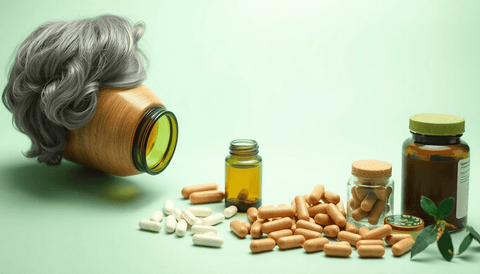
An Overview of Menopause Supplement Side Effects
Menopause supplements are commonly used to address symptoms such as hot flashes, night sweats, and sleep disturbances. While many people consider them a natural approach, it is essential to recognize that these products contain active ingredients that can have effects beyond their intended purpose. This page provides a broad guide to the potential side effects of menopause supplements, the general safety concerns associated with them, and practical advice for evaluating their use. Understanding the potential risks is a key first step in making a safe and well-informed choice.
Key Risk Categories to Consider
The potential side effects of menopause supplements can be broadly grouped into several key areas. It is important to be aware of these categories when weighing the pros and cons of any product.
Quality and Contamination Concerns
A primary concern with any supplement, including those for menopause, is quality control. Some products may be mislabeled, contain ingredients not listed on the label, or be contaminated with undeclared substances. Choosing products from reputable manufacturers that utilize third-party testing can help mitigate these risks, as it provides an independent check on purity and ingredient accuracy.
Interactions with Medications
Certain ingredients in menopause supplements can interact with prescription medications. For instance, some herbs may affect how the liver processes drugs, altering their effectiveness or increasing the risk of side effects. It is essential to share your complete list of medications and other supplements with a healthcare provider to assess potential interactions before starting a new regimen.
Hormonal Effects and Sensitive Conditions
Many menopause supplements contain phytoestrogens or other botanicals that can influence hormonal balance. This means they could have effects on hormone-sensitive conditions, such as certain types of breast or uterine cancer. Anyone with a personal or family history of such conditions should exercise caution and discuss the use of these supplements with their doctor before taking them.
Allergies and Intolerances
As with any ingestible product, allergic reactions are possible. Ingredients such as botanical extracts, fillers, or colorants can trigger adverse responses in sensitive individuals. Symptoms can range from mild skin rashes to more severe reactions. It is also worth noting that some people may have an intolerance to certain ingredients, leading to digestive discomfort.
Common Adverse Experiences
Some users may experience common side effects like digestive upset, headaches, or dizziness. The frequency and severity of these effects can vary greatly from person to person. These are not necessarily dangerous, but they can be unpleasant and may influence a person's decision to continue using a particular product.
Uncertain Effectiveness and Long-Term Safety
It is important to keep in mind that many menopause supplements have limited scientific evidence supporting their effectiveness. This means that results are not guaranteed, and you may not achieve the desired outcome. Furthermore, the long-term safety profile of some ingredients is not well-established, as long-term studies are often lacking. This underscores the importance of using these products with caution.
Practical Safety Tips for Supplement Use
To help reduce potential risks, consider the following practical steps before and while using a menopause supplement:
- Look for products with transparent ingredient lists and clear labeling of all components.
- Seek out supplements that have undergone third-party testing for quality, purity, and potency.
- Be wary of products that make bold, unsupported claims about curing or treating specific conditions.
- Review the recommended usage and ingredient list carefully, avoiding products with undisclosed fillers or artificial additives.
Before starting any new supplement, it is strongly advised to consult a healthcare professional. They can review your full medication list, assess your health history, and help you interpret potential risks specific to you. This is especially crucial if you have underlying health conditions or are taking other medications.
Learning More About Supplements
Understanding the various types of supplements and their potential effects is part of making informed health choices. Our guides on herbal supplements and mineral supplements provide further context on the broader categories of products available. As you explore, remember that information on this page is for general educational purposes and does not replace personalized medical advice.
Frequently Asked Questions
This section addresses common questions related to the safety and side effects of menopause supplements.
Is it good to take menopause supplements?
Whether menopause supplements are 'good' depends on individual health needs, the specific product, and its ingredients. They are not universally right for everyone. Some may find relief from symptoms, but evidence for effectiveness varies. It is best to discuss your options and potential risks with a healthcare provider to determine if a supplement is a suitable choice for you.
Is there a menopause supplement that actually works?
Research on the effectiveness of menopause supplements is ongoing and results are mixed. Some ingredients, like certain phytoestrogens, have shown promise in some studies, but their effects can be modest and inconsistent. It is important to be realistic about expected outcomes and to rely on products with strong backing from clinical research and quality assurance.
Can high cortisol levels contribute to weight gain during menopause?
High cortisol levels can contribute to weight gain, particularly around the abdomen. During menopause, hormonal changes can influence both cortisol and fat distribution. Managing stress through lifestyle interventions like diet and exercise is a key strategy, but it is a separate topic from the side effects of supplements. Addressing this directly with a healthcare provider is recommended.
What are the top 3 supplements for menopause?
There is no universally agreed upon 'top 3' list for menopause supplements. Some of the most researched ingredients include black cohosh, red clover, and soy isoflavones. However, each has its own evidence base and potential side effects. It is important to research each one and consult a healthcare professional to determine if any are appropriate for your situation.
For a more general understanding of supplement safety and quality, you may wish to explore our range of natural supplements.