Alimentos ricos en minerales: Mejora tu salud con nutrientes esenciales hoy
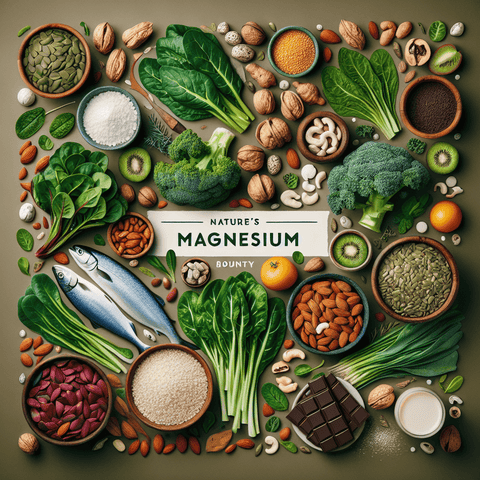

Descubre qué alimentos ricos en minerales llenan una cocina equilibrada. Esta página se centra en alimentos nutritivos en minerales y ofrece consejos prácticos, selecciones llenas de nutrientes y ideas rápidas para comidas, que te guían en la planificación y las compras, con un enfoque claro en identificar los artículos de esta categoría. Consejos prácticos para detectar alimentos ricos en minerales incluyen revisar las etiquetas de nutrición para minerales como calcio, hierro, magnesio, potasio, zinc y selenio; optar por opciones menos procesadas siempre que sea posible; y combinar fuentes vegetales y animales para ampliar el perfil mineral. Los métodos de almacenamiento y preparación que preservan la calidad, así como las combinaciones pensadas para diversificar tus elecciones, también pueden ayudarte a navegar en la despensa con confianza. Al mantener la variedad y el equilibrio, puedes reunir una gama de alimentos ricos en minerales en tus comidas y meriendas. Las selecciones llenas de nutrientes que comúnmente se encuentran en alimentos ricos en minerales abarcan varios grupos. Las verduras de hoja verde y las verduras crucíferas, legumbres como lentejas y frijoles, cereales integrales como avena y quínoa, semillas y nueces, productos lácteos o alternativas enriquecidas, mariscos y carnes magras aparecen en esta categoría. Algunos ejemplos son espinaca, lentejas, avena, semillas de sésamo, yogurt, salmón y quínoa, entre otros. Esta descripción tiene como objetivo resaltar la amplitud de opciones que se consideran alimentos ricos en minerales. Las ideas rápidas para comidas ponen en práctica estos seleccionados en la cocina cotidiana. Comienza con una base de quínoa o arroz integral, agrega legumbres o lentejas, incorpora verduras y termina con una pizca de semillas para dar textura. O prepara un batido con verduras de hoja verde y leche vegetal enriquecida, y luego añade un puñado de nueces. Un salteado con verduras, tofu o una proteína magra, y un topping de semillas picadas es otra opción sencilla. Para una comida simple, estilo campo a mesa, combina cereales integrales con leche o una alternativa vegetal y nueces picadas. Estas ideas muestran alimentos ricos en minerales en formatos prácticos y fáciles de preparar.


Which foods are high in magnesium? - Topvitamine
14 de October, 2025
Los alimentos ricos en magnesio incluyen semillas de calabaza, frutos secos, legumbres, cereales integrales y verduras de hoja verde. Esta guía reúne cantidades aproximadas, ideas sencillas para incorporarlos a tus comidas y respuestas sobre absorción, posibles signos de una ingesta insuficiente y suplementación. También explica cuándo conviene consultar con un profesional sanitario, especialmente si tomas medicamentos o tienes una enfermedad previa.
What is the food highest in magnesium? - Topvitamine
12 de October, 2025
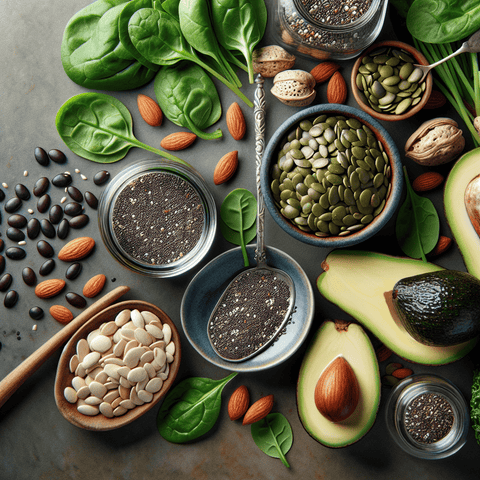
Las semillas de calabaza son una de las fuentes alimentarias más concentradas de magnesio por porción, aunque una dieta variada también puede incluir espinaca, legumbres, quinoa, almendras, chía y aguacate. En este artículo encontrarás cantidades aproximadas, ideas para incorporarlos y respuestas sobre cómo aumentar la ingesta, reconocer una posible deficiencia y elegir un suplemento, incluido el caso de las personas con problemas tiroideos.
What are the 7 minerals your body needs daily? - Topvitamine
06 de October, 2025
Los 7 minerales esenciales tratados aquí son calcio, magnesio, potasio, zinc, hierro, selenio y yodo. Participan en funciones como la salud ósea, la actividad muscular, el transporte de oxígeno y el funcionamiento de la tiroides. Descubre qué alimentos los aportan, qué significan las ingestas de referencia y cuándo conviene consultar a un profesional antes de usar suplementos minerales.

Minerals are fundamental nutrients that support countless functions in the body, from building strong bones and teeth to regulating muscle contractions and maintaining a healthy nervous system. Unlike some vitamins, the body cannot produce most essential minerals on its own, so they must be obtained through the diet. This guide provides a broad overview of mineral-rich foods, explaining what they are, why they matter, and how to easily incorporate more of them into your daily eating pattern.

What Are Mineral-Rich Foods?

A food is considered mineral-rich when it provides a significant amount of one or more essential minerals relative to its calorie content. These minerals are inorganic elements that the body requires for proper growth, development, and maintenance. They are typically divided into two categories: macrominerals, which are needed in larger amounts, and trace minerals, which are needed in smaller amounts but are still vital for health.

Key Macrominerals and Trace Minerals

The most common macrominerals include calcium, phosphorus, magnesium, sodium, potassium, and chloride. Trace minerals, on the other hand, include iron, zinc, selenium, iodine, copper, and manganese. Each mineral has a unique role. For example, calcium is crucial for bone health, iron is a key component of red blood cells, and potassium helps regulate fluid balance and nerve signals.

The best approach to ensuring adequate intake is to consume a varied diet that includes a wide range of whole foods. This naturally provides a broad spectrum of these essential elements, which is generally more effective than relying on a single food source.

Top Categories of Mineral-Rich Foods

Mineral-rich foods are found across all major food groups. Knowing which categories are most beneficial can help you make informed choices at the grocery store and when planning your meals. Here are some of the most significant categories to include in your diet:

  • Leafy Green and Cruciferous Vegetables: Spinach, kale, Swiss chard, and broccoli are excellent sources of calcium, magnesium, iron, and potassium.
  • Legumes: Lentils, chickpeas, black beans, and kidney beans are packed with iron, magnesium, potassium, and zinc.
  • Whole Grains: Quinoa, oats, brown rice, and whole-wheat products provide magnesium, selenium, and iron.
  • Nuts and Seeds: Almonds, cashews, pumpkin seeds, and sesame seeds are rich in magnesium, zinc, and calcium.
  • Dairy and Fortified Alternatives: Milk, yogurt, and fortified plant-based milks are primary sources of calcium and often fortified with vitamin D to aid absorption.
  • Seafood and Lean Meats: Salmon, sardines, and shellfish are excellent sources of iodine, selenium, and zinc. Lean meats like chicken and turkey provide iron and zinc.

For a deeper look at how specific minerals support health, you can explore our mineral supplements guide for more information.

Practical Tips for a Mineral-Rich Diet

Incorporating more mineral-rich foods into your routine doesn't require a complete overhaul of your diet. Simple, consistent changes can make a significant difference. Here are a few practical strategies to get you started:

  • Read Nutrition Labels: Pay attention to the % Daily Value (%DV) for minerals like calcium, iron, and magnesium. Foods with 20% DV or more are considered high sources.
  • Choose Less-Processed Options: Whole foods generally retain more of their natural mineral content than highly processed alternatives. Opt for whole grains over refined ones and fresh or frozen produce over heavily processed meals.
  • Mix Plant and Animal Sources: Combining different food groups, such as beans with rice or spinach with a source of vitamin C, can enhance mineral absorption and provide a broader nutrient profile.
  • Use Smart Pairings: Pairing iron-rich plant foods with vitamin C (like adding lemon juice to a lentil salad) can help your body absorb the iron more effectively.

Quick Meal Ideas to Boost Mineral Intake

Putting these tips into practice can be easy and delicious. Here are a few simple meal ideas that are naturally rich in minerals:

  • Start your day with a smoothie made with spinach, fortified plant milk, a banana, and a handful of almonds.
  • Build a hearty grain bowl with a base of quinoa or brown rice, topped with black beans, sautéed greens, and a sprinkle of pumpkin seeds.
  • Prepare a quick stir-fry with broccoli, bell peppers, tofu or chicken, and a topping of sesame seeds.
  • Enjoy a simple breakfast of whole-grain cereal with milk or a fortified plant-based alternative and chopped nuts.

Understanding Mineral Deficiency

While a varied diet usually provides sufficient minerals, some people may be at risk of deficiency. Signs of low mineral levels can vary depending on which mineral is lacking. For example, low iron may lead to fatigue, while low calcium might affect bone health over time. It's important to remember that these signs can also be caused by other factors, and a healthcare professional is the best person to diagnose a deficiency.

If you are concerned about your mineral intake, focusing on a balanced diet is the first step. For specific questions about supplementation, it's always wise to consult with a doctor or registered dietitian. They can provide personalized advice based on your individual needs.

Frequently Asked Questions About Mineral-Rich Foods

What food has all 102 minerals?

No single food contains all 102 minerals that exist in nature. The human body requires a specific set of essential minerals, and these are found in varying combinations across different foods. A varied diet is the most reliable way to get all the minerals your body needs.

Which food has the highest minerals?

There is no single 'highest' mineral food, as different foods excel in different minerals. For example, spinach is high in iron and calcium, while brazil nuts are exceptionally high in selenium. The best approach is to eat a variety of nutrient-dense foods to cover your bases.

What are the 7 minerals your body needs?

The body needs a wide range of minerals, but seven are often highlighted for their importance: calcium, iron, magnesium, potassium, zinc, selenium, and iodine. Each plays a unique and vital role in maintaining health.

Explore More on Mineral Health

This guide provides a broad overview of mineral-rich foods. For more specific information on individual minerals, their benefits, and how they work in the body, you may find our magnesium guide and calcium guide helpful. These resources offer deeper insights into specific nutrients.

For a broader perspective on how supplements can fit into a healthy lifestyle, you can also explore our natural supplements collection.