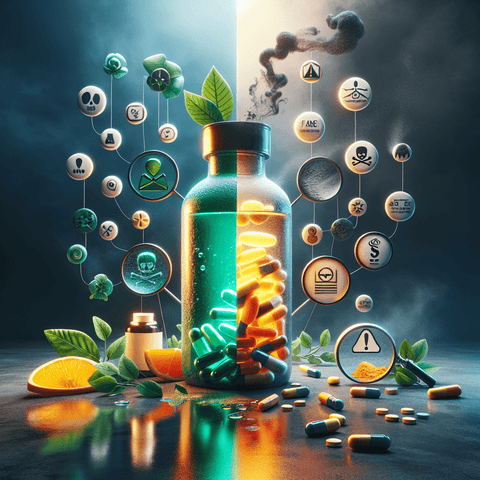
Etiquetas engañosas en suplementos reveladas: detecta afirmaciones falsas y protege tu salud


Las etiquetas engañosas en los suplementos son un obstáculo común para los compradores, y reconocerlas comienza con entender qué es lo que realmente contiene la botella. En la superficie, un producto puede parecer legítimo, pero el lenguaje vago, los detalles faltantes o las promesas infladas pueden ocultar lo que hay dentro. Esta página se enfoca en detectar esos problemas y distinguir las etiquetas genuinas de las que son engañosas. Al aprender cómo están estructuradas las etiquetas y qué información se requiere, puedes abordar cada compra con mayor claridad y confianza. Comienza con lo básico de la etiqueta: el panel de Información de Suplementos, el tamaño de la porción y la cantidad de cada ingrediente por porción. Compara los ingredientes listados con el nombre del producto y su propósito declarado, y no pases por alto la sección de “Otros Ingredientes” para rellenos o recubrimientos. Toma nota de las mezclas propietarias y si la etiqueta revela las cantidades exactas de cada componente; si las cantidades están ocultas, eso es una señal de advertencia. Revisa si hay alérgenos y advertencias, y ten cuidado con términos vagos como “natural” o “mezcla especial” que pueden ocultar detalles específicos. Estos pasos te ayudan a detectar etiquetas de suplementos engañosas antes de comprar. Evita ingredientes no seguros y fuentes cuestionables buscando transparencia y notas regulatorias. Las señales de advertencia incluyen la falta de número de lote o fecha de vencimiento, ausencia de información de contacto del fabricante, o reclamaciones que no se pueden verificar. Busca certificaciones o logotipos de terceros, como USP, NSF o Informed-Choice, y comprende que, aunque estos logotipos indican un estándar, no garantizan la idoneidad para todos. Ten precaución con productos que tengan dosis no reveladas, reclamaciones no reguladas o declaraciones exageradas sobre resultados, que pueden ser signos de etiquetas engañosas. Para proteger tus decisiones de compra, establece una rutina sencilla de revisión de etiquetas: verifica que el nombre del producto coincida con los ingredientes listados, confirma los datos de contacto del fabricante y anota el número de lote y la fecha de vencimiento. Compara el producto con fuentes confiables y revisa las prácticas de fabricación de la empresa cuando sea posible. Si algo en la etiqueta te parece incompleto o inconsistente, elige otro producto y busca aclaraciones del minorista o del fabricante según sea necesario. Al crear un hábito constante de leer etiquetas y reconocer las etiquetas engañosas, navegarás por el mercado con mayor confianza y reducirás el riesgo de engaños.


What are the warning signs of a supplement scam you should never ignore - Topvitamine
29 de August, 2025
Una estafa de suplementos puede ocultarse tras promesas milagrosas, reseñas manipuladas, etiquetas confusas o vendedores no verificados. En esta guía aprenderás a revisar las afirmaciones de salud, la composición, el envase, el precio y la reputación del vendedor antes de comprar. También encontrarás criterios prudentes para comparar marcas de vitaminas y suplementos alimenticios, además de pasos que seguir si sospechas que un producto no es auténtico.
How to Spot Hidden Sugars and Fillers in Your Supplements - Topvitamine
27 de August, 2025
Los azúcares ocultos en suplementos suelen aparecer en gomitas, comprimidos masticables y polvos con sabor. Esta guía explica cómo revisar la lista de ingredientes, diferenciar azúcares, alcoholes de azúcar y edulcorantes intensos, e interpretar términos como “aromas naturales” o “mezcla patentada”. También aclara qué se sabe sobre su seguridad y ofrece criterios prácticos para elegir fórmulas sencillas sin asumir que todos los aditivos son perjudiciales.

Why Supplement Label Literacy Matters

Misleading supplement labels are a common challenge for shoppers. With thousands of products on the market, distinguishing between a high-quality supplement and one with exaggerated claims can be difficult. Learning to read a label critically is not just about understanding the ingredients; it's about developing a framework for evaluating any product you encounter.

This guide provides a broad overview of the topic. We'll explain the core components of a supplement label, highlight common red flags that may indicate a product is not what it claims to be, and offer practical steps you can take to become a more confident and informed consumer. It's not about memorizing every rule, but about understanding the general principles that can help you navigate the marketplace.

Understanding the Core Elements of a Supplement Label

Before you can evaluate a product, you need to understand the basic anatomy of a supplement label. Every label should provide certain key pieces of information that allow you to compare products and assess their quality.

The most important elements to understand include:

  • The Supplement Facts panel, which lists the serving size, calories, and amounts of each ingredient.
  • The ingredients list, which shows all components, including active ingredients and excipients.
  • The "Other Ingredients" section, which can include fillers, binders, and natural or artificial flavors.

The Supplement Facts Panel and Serving Size

The Supplement Facts panel provides the nutritional information. Pay close attention to the "Serving Size" and the "Amount Per Serving" for each ingredient. A product may look like good value, but if the serving size is unusually small or large, the cost per effective dose could be higher than you think. Always compare the serving size between similar products to ensure you are making a fair comparison.

The Ingredients List and Proprietary Blends

A complete ingredients list is essential. Some products use "proprietary blends," which allow manufacturers to hide the exact amount of each individual ingredient. They only have to list the total weight of the blend. While this is a legal practice, it can sometimes be a red flag. It can be difficult to determine whether an effective dose of any single ingredient is actually present, making the product harder to evaluate.

Common Red Flags on Supplement Labels

While no single factor guarantees a product is misleading, the presence of several red flags should encourage caution. Being able to identify these warning signs is a key skill in avoiding potentially poor-quality supplements.

  • Vague or overly broad claims, such as "boosts immunity" or "supports overall health," without specific evidence or context.
  • A lack of a clear manufacturer contact address or a customer service line. A reputable company should be easy to reach.
  • Missing batch numbers, lot numbers, or expiration dates, which are standard for quality-controlled products.
  • The use of vague terms like "natural" or "proprietary blend" without further explanation of what they contain.

These characteristics do not automatically mean a product is bad, but they do suggest that a company may not be transparent about its product, making it harder for you to make an informed decision.

The Importance of Third-Party Testing and Verification

Because the supplement industry is large and diverse, the level of quality control can vary from one manufacturer to another. One way to gain more confidence in a product is to look for third-party testing. Independent organizations can verify that a product contains what its label claims, and that it does not contain harmful levels of contaminants.

Seals from organizations like USP, NSF, or Informed-Choice indicate that a product has undergone voluntary testing. It's important to understand that a third-party seal does not confirm that the product will have a specific health effect; rather, it confirms that the product meets certain quality and purity standards. This can add a layer of trust when you are trying to assess products with complex labels.

Building a Habit of Label-Checking

Becoming a more critical consumer is a process. It involves developing a consistent routine of checking labels before you buy. This includes verifying that the product name matches the listed ingredients, confirming the manufacturer's contact details are present, and noting the batch and expiration dates.

If a label feels incomplete or inconsistent, or if you cannot find essential information, it may be worth researching the brand further. It can also be helpful to look for products that are transparent about their practices. Understanding how to read labels is a general skill that applies across all types of supplements, from vitamins and minerals to specialty ingredients. You can explore a range of transparently labeled products in our natural supplements collection.

Exploring the Topic Further

This guide offers a broad overview of how to approach supplement labels. As you become more comfortable with the fundamentals, you may want to explore specific types of products in more depth. For example, understanding the labeling of essential nutrients like vitamins and minerals is a great first step. We have dedicated resources to help you understand the basics of Vitamin D and its sources, as well as general guides on multivitamins and their ingredients.

Remember that the information on this page is for educational purposes. It is not a substitute for professional medical advice. If you have specific health concerns or questions about a particular supplement, consulting a qualified healthcare professional is always the best course of action.