Vitaminas para mejorar el estado de ánimo: Principales suplementos para elevar el ánimo de forma natural


Explorar vitaminas y suplementos naturales que puedan mejorar el estado de ánimo implica comprender la evidencia y cómo usar los productos de manera segura. Esta página destaca opciones basadas en evidencia, consejos de seguridad y orientación práctica para ayudarte a navegar su uso diario con claridad. El término vitaminas que mejoran el estado de ánimo describe nutrientes estudiados por su posible asociación con resultados relacionados con el ánimo, en lugar de garantías de algún efecto. Nuestro objetivo es presentar información equilibrada que puedas discutir con un profesional de la salud, en lugar de hacer recetas o promesas. Las opciones basadas en evidencia para vitaminas que mejoran el estado de ánimo reflejan que la investigación presenta resultados mixtos. Entre los nutrientes más discutidos en este ámbito se encuentran la vitamina D y ciertas vitaminas del grupo B, como B12 y folato. Los análisis varían en sus conclusiones: algunos estudios informan asociaciones entre el nivel de estos nutrientes y resultados relacionados con el estado de ánimo, mientras que otros no encuentran efectos claros. Debido a que los diseños de investigación y las poblaciones difieren, es importante interpretar la evidencia con cuidado y evitar sacar conclusiones generales basadas en un solo estudio. Los consejos de seguridad para vitaminas que mejoran el estado de ánimo enfatizan la selección cuidadosa y la gestión de riesgos. Escoge productos de marcas confiables que tengan un etiquetado transparente y, si es posible, pruebas realizadas por terceros. Sigue las instrucciones del etiquetado y evita superar las cantidades recomendadas. Ten en cuenta las posibles interacciones con medicamentos, condiciones de salud existentes y situaciones especiales como embarazo o lactancia. Si aparecen síntomas adversos, suspende su uso y consulta a un profesional de la salud de inmediato. La orientación práctica para el uso de vitaminas que mejoran el estado de ánimo se centra en la planificación y el seguimiento. Define tus objetivos, establece un período de prueba razonable y lleva un registro de tus respuestas de manera estructurada. Considera introducir un nutriente a la vez, mantiene dosis y almacenamiento consistentes, y elige productos con listas de ingredientes claras y evidencia de calidad. Siempre discute tu plan con un profesional de la salud o un farmacéutico, especialmente si tomas otros medicamentos o tienes condiciones de salud crónicas.


What's the best vitamin for depression and anxiety? - Topvitamine
15 de May, 2026
¿Buscas la mejor vitamina para la depresión y la ansiedad? Ningún nutriente cura estos trastornos, pero el magnesio, las vitaminas del grupo B y la vitamina D pueden ayudar cuando existen carencias, y hierbas como la manzanilla, la lavanda o la valeriana se usan tradicionalmente para calmar los nervios. Esta guía explica qué dice la evidencia, cómo elegir productos de calidad y qué precauciones tomar, especialmente si usas medicación. Contenido informativo que no sustituye la valoración de un profesional de la salud.
Which vitamin is good for stress? - Topvitamine
26 de October, 2025
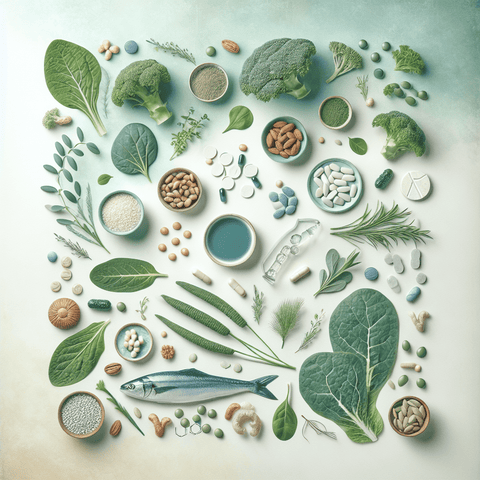
No existe una única vitamina para el estrés. Las vitaminas del grupo B, la vitamina C y la vitamina D, junto con el magnesio, participan en funciones relacionadas con el sistema nervioso y la energía. Una alimentación variada es la base; los suplementos pueden ser útiles si existe una ingesta insuficiente o una deficiencia confirmada. Descubre cómo elegirlos y qué precauciones tener.

Mood-boosting vitamins is a broad, informal term that people use when searching for nutrients and supplements that may be connected to mood. It is not a recognised medical category, and no vitamin or supplement can promise a specific emotional effect. Instead, the topic brings together several nutrients that researchers have studied for potential associations with mood-related outcomes. This page serves as a topical hub: it explains the main concepts, introduces the key nutrients, and outlines practical and safety considerations. More specific questions, such as detailed dosage discussions or comparisons between individual forms, are better suited to dedicated articles linked from this tag page.

What the Term Mood-Boosting Vitamins Covers

The phrase mood-boosting vitamins does not refer to a single nutrient or a defined supplement class. It is an umbrella expression that typically includes certain vitamins, minerals, and fatty acids that have been discussed in relation to mood. Common examples include vitamin D, B vitamins such as B12 and folate, magnesium, and omega-3 fatty acids. Some people also include herbal supplements and amino acids in this broader conversation, although the evidence and traditional uses for those categories vary widely.

Because the term is broad, it is important to interpret it carefully. Research on nutrients and mood often yields mixed results. Some studies report associations between nutrient status and mood-related outcomes, while others find no clear effects. Differences in study design, population, dosage, and duration make it difficult to draw broad conclusions. This page therefore presents balanced information that you can discuss with a healthcare professional, rather than making prescriptions or promises.

Key Nutrients Frequently Discussed for Mood Support

Several nutrients appear repeatedly in discussions about mood. The sections below introduce each one at a high level. More detailed articles on individual nutrients are available elsewhere on the site and are linked from this tag page where relevant.

Vitamin D

Vitamin D is a fat-soluble vitamin that plays a role in normal bone health, muscle function, and immune function. Some research has explored whether vitamin D status is associated with mood-related outcomes, but findings are not consistent. Vitamin D can be obtained from sunlight exposure, certain foods, and supplements. If you are considering a vitamin D supplement, it is sensible to discuss appropriate intake with a clinician, especially if you have a health condition or take medication.

B Vitamins Including B12 and Folate

The B vitamins are a group of water-soluble vitamins that support normal energy metabolism and nervous system function. Vitamin B12 and folate are the two most often mentioned in relation to mood. Some studies have looked at whether low levels of these vitamins are associated with mood-related outcomes, but results vary. B vitamins are found in a range of animal and plant foods, and they are also available in supplement form, including in multivitamins.

Magnesium

Magnesium is a mineral involved in many normal bodily functions, including muscle and nerve function. It is sometimes discussed in the context of relaxation and mood, though research on magnesium and mood-related outcomes is mixed. Dietary sources include nuts, seeds, whole grains, and leafy green vegetables. Magnesium supplements come in several forms, and each form may have different absorption characteristics and tolerability.

Omega-3 Fatty Acids (DHA and EPA)

Omega-3 fatty acids, particularly DHA and EPA, are fats found in oily fish and some plant sources. They are important for normal cell function and are sometimes studied in relation to mood. As with other nutrients in this area, evidence is not clear-cut, and individual responses may vary. Omega-3 supplements are available in different forms, and quality can vary between products.

Choosing Supplements: General Considerations

If you are considering supplements, a careful approach can help you make more informed choices. The points below are general considerations, not medical advice.

  • Choose products from reputable brands with transparent labelling.
  • Look for third-party testing where possible to support quality and purity.
  • Follow label directions and avoid exceeding recommended amounts.
  • Be mindful of potential interactions with medications, existing health conditions, and special situations such as pregnancy or breastfeeding.
  • If adverse symptoms occur, discontinue use and consult a healthcare professional promptly.

Practical Guidance for Exploring This Topic

Exploring mood-boosting vitamins and supplements is often a process of learning and observation. A structured approach can help you stay organised and make more informed decisions. Define your goals, set a reasonable trial period, and track personal responses in a structured way. Consider introducing one nutrient at a time rather than changing several products at once. Maintain consistent dosing and storage, and select products with clear ingredient lists and evidence of quality. Always discuss your plan with a clinician or pharmacist, especially if you take other medicines or have chronic health conditions.

If you are looking for related product categories, you can explore vitamin D supplements or B vitamin supplements. You can also browse magnesium supplements for related options.

Exploring Further Within This Topic

This tag page is designed to give you a broad overview. If you want more detail on specific nutrients, the individual articles associated with this tag will provide deeper information. You can also explore related categories such as omega-3 supplements or learn about general multivitamins. As always, use this information as a starting point for conversations with a qualified healthcare professional rather than as a substitute for personalised advice.