
Los adaptógenos naturales se refieren a plantas utilizadas en la medicina tradicional y exploradas en la investigación moderna por sus posibles interacciones con los sistemas de respuesta al estrés del cuerpo. Esta página presenta la idea de los adaptógenos naturales, explica cómo la ciencia aborda estas sustancias y señala opciones respaldadas por evidencia científica y consejos prácticos para un compromiso reflexivo. Al enmarcar el tema en torno a la evidencia y el método, nos centramos en entender en lugar de hacer afirmaciones generales. Los candidatos comunes incluyen Rhodiola rosea, Panax ginseng, Withania somnifera y Eleutherococcus senticosus. Los investigadores estudian factores como la composición del extracto, la dosis y el diseño del estudio para comprender cómo se comportan estas plantas en el cuerpo. Debido a que las preparaciones varían, la evidencia puede ser incoherente entre estudios, lo que subraya la importancia de considerar la calidad del producto y los extractos estandarizados al evaluar los adaptógenos naturales. Los pasos inteligentes para la evaluación incluyen buscar investigaciones revisadas por pares sobre el extracto y la dosis específicos, preferir productos con etiquetado claro y pruebas de terceros, y tener en cuenta posibles interacciones con medicamentos y condiciones médicas. Consultar a un profesional de la salud o farmacéutico ante la duda puede ser útil en caso de preocupaciones de salud continuas. Llevar un registro de tu experiencia en un diario sencillo también puede ayudar a distinguir los efectos observados de otros factores en la vida cotidiana. Al abordar los adaptógenos naturales con una mentalidad crítica, los lectores pueden explorar lo que sugiere la ciencia y cómo se comparan las diferentes preparaciones. Esta página busca ayudarte a navegar por fuentes confiables, entender errores comunes y tomar decisiones informadas sobre cuándo y cómo involucrarte con los adaptógenos naturales.
Adaptógenos Naturales: Aumenta la Energía y Reduce el Estrés de Manera Natural
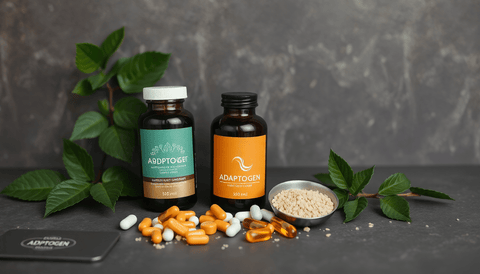
Understanding Natural Adaptogens
Natural adaptogens are a diverse group of botanicals that have been used in traditional medicine systems for centuries. In modern research, they are explored for their potential to help the body manage stress and maintain equilibrium. The core idea is that these plants may support the body's natural resilience to physical, chemical, or biological stressors, rather than targeting a specific symptom. This makes them a topic of interest for those seeking a more holistic approach to wellness.
On this page, we provide a broad overview of natural adaptogens, including the most commonly discussed botanicals, how they are studied, and what to consider if you are thinking about using them. We also connect this topic to related supplement categories to help you navigate the available information and products.
Common Types of Natural Adaptogens
Several botanicals are frequently categorized as natural adaptogens. Each has a unique history and proposed mechanism of action. The following are among the most common and well-studied examples:
- Rhodiola rosea: Often discussed for its potential to support energy and mental performance during stressful periods.
- Panax ginseng: Also known as Asian ginseng, this root is one of the most widely recognized botanicals in this space.
- Withania somnifera: Commonly called ashwagandha, this shrub is frequently researched for its potential to support relaxation and stress adaptation.
- Eleutherococcus senticosus: Also known as Siberian ginseng, it is another classic example of an adaptogenic botanical.
These botanicals can be found in various forms, including powders, tinctures, and capsules, and are often included in broader herbal supplement formulations. For a wider look at how herbs are used in traditional contexts, you may find our herbal supplements guide helpful.
Focus on Ashwagandha
Among the natural adaptogens, ashwagandha has attracted significant attention in recent years. It is one of the most popular herbs used for stress support and has been the subject of numerous studies. Given its prominence, we have a dedicated collection for those interested in learning more about this specific botanical. You can explore our ashwagandha supplements to find products and more information.
How Natural Adaptogens Are Studied
Research into natural adaptogens is complex. Scientists study factors such as the specific extract used, the concentration of active compounds, the dosage, and the design of the study itself. Because there is no single standard preparation, results can vary widely from one study to another. This variability makes it challenging to draw broad conclusions, highlighting the importance of looking at the evidence for a specific product or extract rather than the category as a whole.
The mechanisms by which these botanicals might work are an area of ongoing investigation. Research often focuses on their potential interactions with pathways involved in the stress response. However, it is important to remember that much of the evidence is preliminary, and more high-quality studies are needed to confirm any potential effects.
Key Considerations When Choosing a Product
If you are considering using a natural adaptogen, it is essential to approach the selection process with care. Not all products are created equal, and the quality of the supplement can significantly influence your experience.
Here are some factors to keep in mind:
- Look for peer-reviewed research on the specific extract and dose included in the product.
- Prefer products with clear labeling that specifies the part of the plant used, the extraction method, and the concentration of active markers.
- Seek out products that have undergone third-party testing for purity and potency.
- Be mindful of potential interactions with any medications you are taking or medical conditions you have.
For a broader view of what to look for in any supplement, you can browse our natural supplements collection.
Safety and Usage Considerations
Natural adaptogens are generally considered safe for most people when used as directed, but they are not without potential side effects and interactions. It is always wise to consult with a clinician or pharmacist before starting any new supplement, especially if you are pregnant, nursing, have a chronic health condition, or are taking prescription medication.
Starting with a lower dose and monitoring how you feel can be a prudent approach. Keeping a simple journal to track your experience can help you identify any changes and discuss them more effectively with a healthcare professional. Remember that supplements are not a substitute for a balanced lifestyle that includes proper nutrition, sleep, and stress-management practices.
Exploring the Topic Further
The field of natural adaptogens is broad, and there is much more to explore. This page serves as a starting point for understanding the core concepts. For a deeper dive into specific questions, you can find articles on topics such as the most powerful adaptogen, who should avoid them, how they compare to other stress-support supplements, and their potential role in specific health concerns. These individual articles provide a more detailed look at the nuances that cannot be fully covered in a single overview.
By building a solid understanding of what natural adaptogens are, how they are studied, and what to consider when choosing a product, you can make more informed decisions about whether and how to incorporate them into your wellness routine.