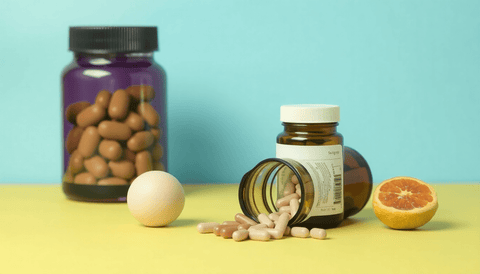
Vitaminas naturales contra el envejecimiento: Las 7 mejores para una piel radiante y vitalidad


Las vitaminas naturales anti-envejecimiento son un tema familiar en las conversaciones sobre longevidad y bienestar. Esta página analiza siete compuestos comúnmente etiquetados como vitaminas naturales anti-envejecimiento, presentando una visión neutral de cómo son descritos en la investigación y la literatura de bienestar. Encontrarás una mirada en lenguaje sencillo a sus roles generales, los tipos de fuentes que las aportan a la dieta y consejos simples y cotidianos que las personas asocian con una sensación de brillo. Cómo funcionan: En términos generales, las vitaminas naturales anti-envejecimiento pueden actuar como antioxidantes, cofactores de enzimas y participantes en vías de mantenimiento celular. Se discuten como involucradas en el metabolismo energético, la reparación del ADN y procesos de señalización que apoyan el equilibrio interno del cuerpo. El énfasis aquí es descriptivo: delineamos las formas amplias en que estas vitaminas se describen en su función dentro de los sistemas biológicos en lugar de hacer afirmaciones sobre resultados específicos. Mejores fuentes de alimentos: El tema suele abordar la idea de que estas vitaminas aparecen en una variedad de alimentos y productos enriquecidos, siendo las fuentes exactas distintas para cada vitamina. La página presenta un panorama general sobre las categorías de fuentes en lugar de una lista de compras, ayudándote a entender cómo se organiza típicamente la información sobre vitaminas naturales anti-envejecimiento en recursos de nutrición. Consejos fáciles para lucir bien: Se sugieren hábitos prácticos y cotidianos para acompañar tu exploración de las vitaminas naturales anti-envejecimiento. Considera rutinas que apoyen el bienestar general, como dormir lo suficiente, vivir con atención plena, cuidar la piel con suavidad, gestionar el estrés e hidratarse de manera equilibrada. El lenguaje se mantiene enfocado en el bienestar y la presentación, sin hacer afirmaciones médicas o de salud.


Is Your Skin Aging Faster Than It Should? Try These Anti-Aging Supplements - Topvitamine
24 de July, 2025
Los suplementos antiedad para la piel pueden complementar una alimentación equilibrada, especialmente cuando aportan nutrientes como vitamina C, vitamina E, vitamina A o péptidos de colágeno. Sin embargo, no sustituyen la protección solar, el descanso ni la atención médica. En esta guía encontrarás qué dice la evidencia de forma realista, cómo elegir un producto y qué precauciones considerar antes de combinar suplementos.

The search for natural anti-aging vitamins is a common starting point for anyone interested in supporting their health and vitality as they age. Instead of focusing on a single nutrient or promise, this guide offers a broad overview of the vitamins often discussed in this context, how they are thought to work, where they are found,and how they fit into a holistic approach to wellness.

Here, we provide a map of the topic. We'll explore the key vitamins, their general roles in the body, the foods that provide them,and the everyday habits that complement their potential benefits. This is a high-level introduction designed to help you understand the landscape of natural anti-aging nutrition and identify areas for deeper exploration.

Understanding Natural Anti-Aging Vitamins

The concept of natural anti-aging vitamins revolves around nutrients that are believed to support the body's own maintenance and repair systems. Rather than a single magic bullet, it is a category of vitamins that are typically discussed for their broad physiological roles. These nutrients are generally described in wellness literature as playing a part in processes such as protecting cells from oxidative stress, supporting energy production,and maintaining healthy skin.

While the term “anti-aging” is popular, it is more accurate to think of these vitamins as supporting overall health and vitality, which in turn may influence how we age. The scientific discussion focuses on their roles as antioxidants, cofactors for enzymes,and participants in cellular pathways, rather than on any direct, measurable effect on the aging process itself.

Key Vitamins and Their Broad Roles

Several vitamins are frequently included in conversations about natural anti-aging. Each has a distinct profile and set of functions that are often discussed in the context of cellular health and longevity.

  • Vitamin A: Often discussed for its role in skin health and cell differentiation. It is a fat-soluble vitamin found in foods like liver, sweet potatoes, and leafy greens.
  • Vitamin C: Known for its antioxidant properties and its role in collagen synthesis, which is important for skin structure. Citrus fruits, berries,and bell peppers are common sources.
  • Vitamin E: Another antioxidant that protects cell membranes from oxidative damage. Nuts, seeds,and vegetable oils are good sources.
  • B-Vitamins: A group of vitamins that are essential for energy metabolism and cellular function. They are found in whole grains, legumes, meat,and eggs.
  • Vitamin D: Often called the “sunshine vitamin,” it plays a role in immune function and bone health, which are important for healthy aging. Fatty fish, fortified dairy,and sunlight are primary sources.
  • Vitamin K: Known for its role in blood clotting and bone metabolism. Leafy green vegetables, such as kale and spinach, are rich sources.

These vitamins represent the core of what is commonly discussed under the umbrella of natural anti-aging nutrients. Each works in its own way, but they all share a common theme: supporting the body’s normal, healthy functions.

Food Sources: Building a Nutrient-Rich Diet

The best way to obtain natural anti-aging vitamins is through a balanced, varied diet. Focusing on whole foods is generally recommended over relying solely on supplements.

  • Fruits and Vegetables: These are primary sources of antioxidant vitamins like A, C,and E. Aim for a colorful variety to maximize nutrient intake.
  • Whole Grains and Legumes: Rich in B-vitamins, which are essential for energy production. Oats, brown rice, lentils,and beans are excellent choices.
  • Healthy Fats: Sources like nuts, seeds, avocados,and olive oil provide vitamin E and support the absorption of fat-soluble vitamins.
  • Lean Proteins: Foods like fish, poultry, meat,and eggs provide B-vitamins and other nutrients important for cellular function.

Understanding where these vitamins come from helps you make informed dietary choices. For those considering supplements, it is always wise to speak with a healthcare professional first.

The Role of Supplements

While food is the preferred source of these nutrients, supplements can play a role in filling nutritional gaps. They are not intended to replace a healthy diet,but may be considered when dietary intake is insufficient or when specific needs arise.

When exploring supplements, you may come across various forms and formulations. For a deeper understanding of specific nutrients, you can explore our guides on vitamin C benefits, vitamin D benefits, orbithe broader category of multivitamins to learn more about their specific roles and recommended usage.

Lifestyle Factors That Complement Nutrition

Vitamins are just one part of a holistic approach to healthy aging. The way you live your life has a significant impact on how your body uses these nutrients and how you feel overall.

  • Regular Physical Activity: Supports circulation, energy levels,and overall metabolic health.
  • Adequate Sleep: Essential for cellular repair and regeneration processes.
  • Stress Management: Chronic stress can impact nutrient levels and overall health.
  • Gentle Skincare: Protecting your skin from environmental damage with a simple routine.
  • Balanced Hydration: Water is vital for every cellular process.

These habits, combined with a nutrient-rich diet, form a solid foundation for supporting your body’s natural vitality.

Important Considerations and Safety

While vitamins are essential for health, more is not always better. Some vitamins are fat-soluble and can accumulate in the body, making it possible to consume too much. Others, like vitamin C, are water-soluble and excess amounts are typically excreted, but very high doses can still cause digestive upset.

It is important to remember that supplements are not a substitute for a healthy lifestyle. They are intended to complement, not replace, a balanced diet and good habits. Always consult with a healthcare provider before starting any new supplement, especially if you have underlying health conditions or are taking medications. They can help you determine what, if anything, is right for your individual needs.

Exploring the Topic Further

This page provides a broad overview of natural anti-aging vitamins. To dive deeper into specific questions, such as the best vitamin for skin elasticity or how to build a personalized anti-aging nutrition plan, explore the articles linked below. They offer more focused insights into the various dimensions of this topic, helping you turn this foundational information into practical knowledge.