
Los potenciadores naturales del cerebro son un término que verás a menudo en las discusiones sobre rendimiento cognitivo. Esta página se centra en siete formas respaldadas por la ciencia para agudizar el enfoque, la memoria y la claridad utilizando enfoques prácticos y no farmacológicos que puedes comenzar hoy. El énfasis está en los potenciadores naturales del cerebro—técnicas fundamentadas en la ciencia cognitiva y en la neurociencia que confían en cómo el cerebro procesa, almacena y recupera la información de manera natural. Uno de los pilares de los potenciadores naturales del cerebro es moldear el entorno y tu flujo de trabajo para apoyar el control de la atención. Esto incluye estructurar tareas con objetivos claros, agrupar trabajos relacionados y minimizar interrupciones que fragmentan la concentración. La investigación en ciencia cognitiva muestra que cuando la configuración externa reduce la carga cognitiva, el cerebro puede asignar más potencia de procesamiento a la tarea en cuestión. Al diseñar tu espacio y horario teniendo en cuenta estos principios, creas condiciones favorables para un esfuerzo mental sostenido y un pensamiento más claro. Los potenciadores naturales del cerebro orientados a la memoria se centran en cómo se codifica, almacena y posteriormente se recupera la información. Estrategias como la recuperación deliberada, la práctica espaciada y la revisión intercalada aprovechan procesos memoria fundamentales. En lugar de simplemente releer, te haces preguntas, mezclas los contextos de práctica y revisitas el material en intervalos considerados. Estos patrones se alinean con lo que los investigadores describen como la forma en que el cerebro fortalece las asociaciones y apoya un recuerdo flexible, contribuyendo a una memoria más aguda y un acceso más fiable al conocimiento. Más allá de la atención y la memoria, varios potenciadores naturales del cerebro se centran en el compromiso mental activo y la reflexión. Participar con el material mediante la autoexplicación, la visualización mental y la resumir de forma concisa ayuda a organizar los pensamientos y aclarar la comprensión. La práctica regular e intencional en diferentes contextos puede fomentar la flexibilidad cognitiva y representaciones mentales más claras. Si buscas elevar el enfoque, la memoria y la claridad, estos enfoques respaldados por la ciencia ofrecen un camino práctico y natural que puedes comenzar a aplicar de inmediato.
Potenciadores naturales del cerebro: 7 formas respaldadas por la ciencia para mejorar la concentración, la memoria y la claridad
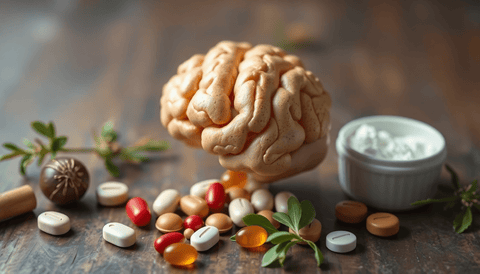

Natural brain boosters encompass a wide range of lifestyle habits, nutritional strategies, and supplements that may help support cognitive functions like focus, memory, and mental clarity. This guide provides a broad overview of the most common and scientifically discussed approaches.
Whether you're looking to improve daily productivity, support long-term brain health, or simply learn more about your options, you'll find a map of the key topics here. Each section introduces an important dimension of natural cognitive enhancement, and more in-depth information can be found in the dedicated articles linked throughout this page.
How Do Natural Brain Boosters Work?
The field of natural brain boosters is built on the idea that our cognitive performance is not fixed. It can be influenced by how we treat our bodies and minds. These approaches work through several fundamental mechanisms: improving blood flow to the brain, supporting the structure of brain cells, providing key nutrients for neurotransmitter production, managing stress hormones, and promoting a state of focused attention.
For example, behavioral techniques like mindfulness and task-batching aim to reduce cognitive load and improve attentional control. In contrast, nutritional strategies often focus on providing the raw materials the brain needs to function optimally.
It's important to understand that most natural brain boosters do not act instantly like a switch. Instead, their effects are often cumulative and depend on consistent practice and a healthy foundation. A single dose of a supplement is unlikely to have a dramatic effect if your overall lifestyle is lacking in sleep, exercise, and proper nutrition. Therefore, the most effective approach usually involves combining several strategies that work together synergistically.
Key Categories of Natural Brain Boosters
Natural brain boosters can be grouped into several distinct categories. Understanding these categories helps you navigate the broad range of information and products available.
Lifestyle and Behavioral Strategies
This is often the most powerful and scientifically supported category. It includes foundational habits that directly impact brain health and performance. These strategies are accessible to everyone and have profound effects on attention, memory, and overall cognitive function.
- Sleep Hygiene: Prioritizing consistent, high-quality sleep is essential for memory consolidation and cognitive restoration.
- Regular Physical Exercise: Aerobic activity increases blood flow to the brain and stimulates the release of growth factors that support neuron health.
- Stress Management: Chronic stress elevates cortisol, which can impair memory and focus. Techniques like meditation and deep breathing can help manage this response.
- Cognitive Training: Engaging in mentally stimulating activities, learning new skills, and practicing specific memory techniques can strengthen neural pathways.
Dietary and Nutritional Supplements
No single food or pill can act as a magic bullet for brain health, but a balanced diet and specific supplements can provide crucial nutrients. These nutrients play a role in the structure of brain cells, energy production, and signaling between neurons.
- Omega-3 Fatty Acids (DHA & EPA): These are structural fats important for cell membrane health, particularly DHA for the brain.
- B Vitamins (B6, B9, B12): These vitamins are involved in the production of neurotransmitters and the metabolism of homocysteine, an amino acid linked to cognitive decline at high levels.
- Antioxidants (Vitamin C, E): These help neutralize free radicals, which can cause oxidative stress and damage brain cells.
- Herbal Extracts: Some herbs have a long history of traditional use, though scientific evidence varies. Examples often discussed include ginkgo biloba, ashwagandha for stress, and curcumin for its anti-inflammatory properties.
If you are considering supplements, it's helpful to explore different categories to understand what is available. You can learn more about specific groups, such as our range of DHA and EPA omega-3 supplements or general vitamin B benefits and sources to get started.
Focus on Foundational Health: Herbal Adaptogens and More
Some ingredients are often discussed in the context of cognitive support due to their broader effects on the body's response to stress and inflammation. Chronic stress and inflammation are known to be detrimental to brain function, so supporting a healthy stress response is an indirect but important natural brain booster.
- Ashwagandha: This herb is classified as an adaptogen, traditionally used to help the body manage stress. Some research suggests it may improve memory and attention in stressed individuals.
- Turmeric/Curcumin: Curcumin is the active compound in turmeric, known for its potent anti-inflammatory and antioxidant properties. By reducing inflammation and oxidative stress, it may play a supportive role in cognitive health.
- Magnesium: This mineral is crucial for over 300 bodily functions, including nerve transmission and muscle relaxation, and may play a role in sleep quality and stress regulation.
For more information on these specific ingredients, you can look into our Ashwagandha supplement options or read about the general benefits and considerations of magnesium for energy, muscle, and bone support.
Evaluating Popular Natural Brain Booster Supplements
When it comes to supplements, it can be difficult to separate evidence-based options from hype. This is a brief comparison of some commonly discussed ingredients, highlighting the difference between how they are marketed and the level of scientific support they have. This is not an exhaustive list but a starting point for your research.
- Ginkgo Biloba: Often promoted for memory. Evidence is mixed, with some studies showing a small effect on cognitive function, particularly in older adults with age-related decline, while others show no significant benefit for healthy individuals.
- L-Theanine: An amino acid found in tea, often combined with caffeine. It is known to promote a state of calm focus and may help reduce the jittery side effects of caffeine.
- Creatine: A compound popular in sports, but also studied for cognitive performance. It may have a small benefit for cognitive tasks, particularly during sleep deprivation or in specific populations.
- Nootropics: This is a broad term for substances that may improve cognitive function in healthy people. This is more of a category label than a single ingredient, and it includes both synthetic and naturally derived compounds.
Safety Considerations and Potential Side Effects
Even natural supplements can have side effects and interact with medications. It's critical to approach them with caution and be an informed consumer. 'Natural' does not guarantee safety for everyone, and 'more' is not necessarily 'better'.
- Dosage and Purity: The quality of supplements can vary significantly between brands. Always choose reputable brands that use third-party testing to verify purity and accurate labeling.
- Medication Interactions: Some supplements can interact with prescription or over-the-counter drugs. For example, ginkgo biloba can increase the risk of bleeding and may interact with blood thinners.
- Underlying Health Conditions: Certain supplements may not be suitable for individuals with specific health conditions, such as autoimmune diseases, or for women who are pregnant or nursing.
- Overconsumption: Taking excessive doses of certain vitamins and minerals, like B vitamins or magnesium, can cause adverse effects ranging from digestive issues to more serious neurological problems.
This information is for educational purposes only and is not a substitute for professional medical advice. Always consult with a qualified healthcare provider before starting any new supplement regimen to ensure it is safe and appropriate for your individual needs.
Exploring Natural Brain Boosters Further
This page is intended as a starting point for your research into natural brain boosters. By understanding the broad categories and important considerations, you can make more informed choices about which specific areas to explore in depth. The most effective strategy for cognitive enhancement is a holistic one, combining a healthy lifestyle with targeted nutritional support.
Below, you will find a collection of dedicated articles and guides that delve deeper into the specific topics mentioned here. From detailed looks at specific herbs like Ashwagandha and Turmeric to guides on foundational nutrients like B vitamins and Omega-3s, these resources provide a deeper dive into the scientific evidence, usage, and safety of each natural brain booster. We encourage you to use this hub to navigate to the specific information that interests you most.