
Descubra remedios naturales para los resfriados que enfatizan la seguridad y la comodidad. Esta página ofrece consejos prácticos para el hogar y orientación sobre cuándo buscar atención médica, ayudándole a navegar los primeros días de un resfriado con confianza. Centrándose en enfoques accesibles y no farmacológicos, esta guía describe un enfoque reflexivo hacia los remedios naturales para los resfriados que puede adaptar a su rutina. Comience con un entorno calmado y reposado. Priorice un buen sueño y una rutina estable, mantenga su espacio de vida cómodo y controle los niveles de humedad para apoyar su bienestar general. Las medidas suaves y no invasivas son comúnmente discutidas dentro de los remedios naturales para los resfriados como parte de mantenerse cómodo durante un resfriado. Practique una higiene regular de las manos y evite el contacto cercano con otros cuando tenga síntomas para reducir la transmisión. Sepa cuándo buscar atención: si desarrolla fiebre alta, experimenta dificultad para respirar, dolor en el pecho, confusión, vómitos persistentes, signos de deshidratación o síntomas que duran más de una semana o empeoran, contacte a un profesional de la salud de inmediato. Los niños pequeños, adultos mayores y personas con condiciones crónicas deben buscar orientación antes si aparecen síntomas. Esta página proporciona directrices para ayudarle a determinar cuándo una evaluación profesional es apropiada. Al centrarse en remedios naturales para los resfriados, puede afrontar la temporada con pasos prácticos y orientados a la seguridad que apoyan la comodidad y la recuperación. Utilice estos consejos como parte de un plan de cuidado más amplio y comuníquese con un clínico si tiene preguntas sobre sus síntomas o la mejor estrategia a seguir.
Natural Remedies for Colds: A Practical Guide
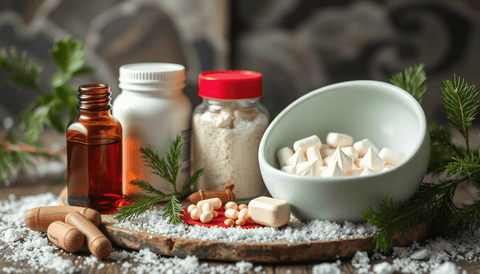
Natural remedies for colds are a popular topic each year, especially when the seasons change. People often look for ways to ease symptoms, support their body's defenses, and feel better faster, all while avoiding unnecessary medication. This guide offers a broad, practical overview of the most common natural approaches. It covers the core principles of recovery, the nutrients and supplements often discussed in this context, and the essential safety considerations to keep in mind.
Understanding the Common Cold and Natural Symptom Relief
The common cold is a mild viral infection of the upper respiratory tract. While it is not usually serious, it can be uncomfortable and disruptive. A typical cold progresses through several stages—from the initial exposure and incubation period, when the virus enters the body, to the onset of symptoms like a sore throat, congestion, and fatigue. Symptoms often peak within a few days. While there is no cure for the cold virus, natural remedies are frequently used to manage these symptoms and support comfort during the recovery period.
The first line of defense is often the simplest: rest and hydration. Giving the body time to recover is not just a cliché; it is fundamental to supporting the immune system. Drinking plenty of fluids, such as water, warm herbal tea, or clear broths, helps maintain hydration, which is crucial for mucous membranes and overall well-being. Using a humidifier or taking a steamy shower can also help ease nasal congestion and soothe a dry throat, making it easier to rest.
Key Nutrients, Herbs, and Supplements for Immune Support
Beyond basic self-care, many people turn to specific vitamins, minerals, and herbal supplements to support immune health. It is important to view these as part of a broader, healthy lifestyle rather than as magic bullets. The following are some of the most commonly discussed natural options:
- Vitamin C: Well-known for its role in immune function, vitamin C is an antioxidant found in many fruits and vegetables. While taking it at the start of a cold may not prevent one, some research suggests it might slightly shorten the duration of symptoms for some people.
- Zinc: This essential mineral is involved in many aspects of cellular metabolism and immune response. Some studies show that taking zinc lozenges or syrup at the onset of a cold may help reduce its length, though it can sometimes cause a bad taste or nausea.
- Elderberry: This dark purple berry has a long history of traditional use and is a popular ingredient in syrups. Some preliminary research suggests it might have antiviral properties, but more robust evidence is needed to confirm its effectiveness for colds.
- Echinacea: A widely used herb, echinacea is often consumed as a tea or extract. The evidence for its benefits is mixed, with some studies suggesting a possible small effect on cold duration and others showing none.
- Honey: A traditional home remedy for sore throats and coughs, honey can help soothe irritation. A spoonful, especially in a warm drink, is a common and generally safe way to ease symptoms for adults and children over one year old.
- Garlic: Beyond its culinary uses, garlic is believed by some to have antimicrobial properties. While promising, the research on garlic for preventing or treating colds is limited and has produced mixed results.
- Probiotics: These beneficial bacteria support gut health, which is closely linked to immune function. Regular use of probiotics may help maintain a healthy immune system, though they are less likely to treat an existing cold.
For more in-depth information on specific nutrients and their roles, you can explore our guides on vitamin C benefits and traditional herbal supplements.
Traditional and Cultural Approaches to Cold Relief
Many cultures have developed their own traditions for managing cold symptoms. Traditional Chinese Medicine (TCM), for example, uses a variety of herbal formulas tailored to an individual's specific symptoms and constitution. The goal is often to restore balance and support the body's natural defenses. Similarly, other traditional systems around the world use local herbs, spices, and practices to provide comfort and support during illness. These approaches highlight the diverse ways people have sought natural relief long before modern pharmacology, and they continue to influence the natural remedies used today.
A Broader Approach to Recovery and Prevention
Effective use of natural remedies for colds involves more than just taking a supplement at the first sign of a sniffle. A broader, more comprehensive approach is often more beneficial. This includes maintaining a balanced diet rich in fruits and vegetables to ensure you are getting a wide range of vitamins and minerals. Good sleep hygiene, regular physical activity, and stress management are also critical components of a healthy immune system.
Practicing good hygiene, such as frequent handwashing and avoiding touching your face, remains the most effective way to prevent catching a cold in the first place. When you are unwell, it is also important to consider the needs of others by limiting close contact and covering your mouth when you cough or sneeze.
For many, a daily multivitamin or a mineral supplement guide can help fill nutritional gaps in their diet, supporting overall health. You can also explore our selection of natural supplements to find products that fit your wellness routine.
How to Use Natural Remedies Safely and Effectively
The phrase “natural” does not automatically mean risk-free. To make the most of these remedies, it's essential to use them with care.
- Consult a professional: Before starting any new supplement—especially if you are pregnant, nursing, taking prescription medications, or managing a chronic health condition—talk to your doctor or a qualified pharmacist. This is crucial to avoid potential interactions and ensure safety.
- Follow dosage instructions: Always read and follow the recommended dosage on the product label. Do not assume that “more is better.” Taking excessive amounts of certain nutrients, like zinc or vitamin C, can lead to side effects such as nausea, stomach cramps, or diarrhea.
- Start with food: Whenever possible, aim to get your nutrients from a varied diet first. Foods provide a complex mix of beneficial compounds that work together in ways supplements may not replicate.
- Assess your symptoms: For most mild colds, home care is sufficient. However, you should seek medical advice promptly if you experience a high fever, difficulty breathing, chest pain, severe headache, confusion, or symptoms that last longer than ten days or seem to get worse instead of better. The risks are also higher for young children, older adults, and those with weakened immune systems.
Exploring Natural Remedies Further
This guide provides a broad overview of natural remedies for colds. To learn more about specific topics like the stages of a cold, whether vitamin C can stop a cold, or which herb might be best for you, we invite you to read our detailed articles on these subjects. Remember that understanding your own body and needs is the most important part of any wellness journey.