
Desbloquea la vitamina D natural con un enfoque claro y práctico. Esta página explora cómo la luz diurna, las rutinas diarias y las decisiones consideradas pueden intersectar para apoyar la vitamina D natural en la vida cotidiana. Encontrarás consejos prácticos sobre la exposición segura al sol, consideraciones generales sobre las fuentes de vitamina D y cómo pensar en suplementos inteligentes como parte de un plan equilibrado. El énfasis está en pasos accesibles que puedas adaptar a tu entorno y horarios, con un enfoque en información confiable y contexto personal. Exposición segura al sol: un componente simple y adaptable del panorama de la vitamina D natural. Planifica breves intervalos al aire libre en diferentes momentos del día, ajusta según tu tipo de piel y las condiciones locales, y adapta según la estación. Cuando estés al aire libre, equilibra la apertura al sol con medidas protectoras y horarios sensatos para que la rutina encaje con tu día. El objetivo es integrar el tiempo al aire libre en tu rutina habitual de manera que sea manejable y segura. Fuentes y rutinas: Basa tu enfoque en fuentes creíbles como guías, reseñas y comentarios de expertos. Crea una rutina sencilla que describa cuándo y cómo incorporas la exposición solar, consideraciones generales sobre las fuentes de vitamina D y cómo monitoreas tu plan a lo largo de semanas y meses. Un ciclo de revisión—planificar, registrar, ajustar—ayuda a mantener tu enfoque en la vitamina D natural alineado con tu contexto personal. Suplementos inteligentes: Si consideras los suplementos, trátalos como una parte de una estrategia más amplia para la vitamina D natural. Busca etiquetas transparentes y orientaciones claras, y consulta con un profesional de la salud sobre cualquier uso. Lleva un registro de tu experiencia y consulta con un médico o profesional en nutrición a medida que cambies tu rutina. El enfoque sigue siendo en decisiones informadas y equilibradas que respeten tus circunstancias individuales.
Vitamina D natural: descubre cómo obtenerla del sol, la comida y suplementos seguros
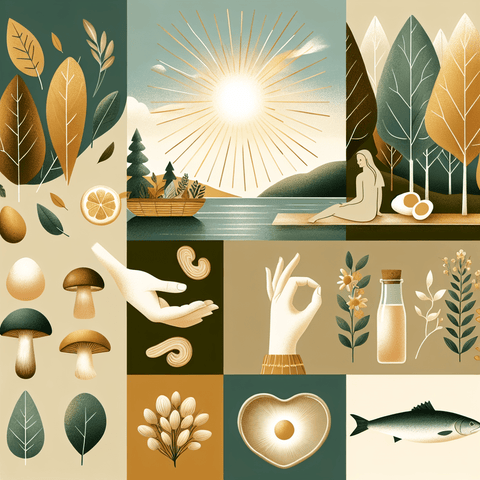
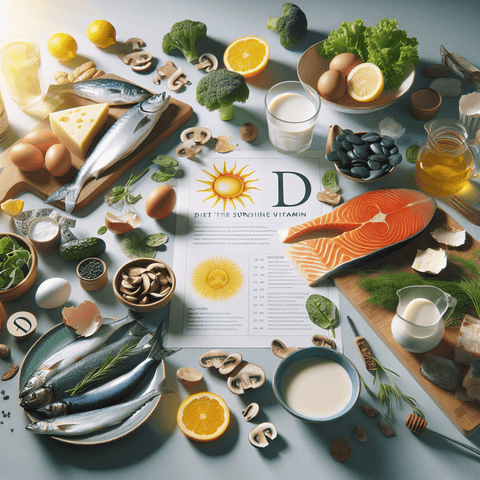
Natural vitamin D describes the vitamin D your body receives through natural routes — chiefly sunlight on the skin and vitamin D–containing foods — rather than relying on supplements alone. Because sun exposure varies with season, latitude and lifestyle, and because relatively few foods naturally provide vitamin D, many people want a clear overview of how these sources work together. This page explains what natural vitamin D means, where it comes from, how the different forms compare, and what to consider when supplements enter the picture. The articles listed under this tag explore individual questions in more detail.
What Does Natural Vitamin D Mean?
The term covers vitamin D obtained through the body's own pathways and everyday sources. When skin is exposed to ultraviolet B (UVB) light from sunlight, it produces vitamin D3 (cholecalciferol). Diet adds a second route: vitamin D3 occurs naturally in animal-derived foods, while vitamin D2 (ergocalciferol) is found in certain mushrooms and other non-animal sources. Both forms are collectively referred to as vitamin D.
Because natural vitamin D depends on sunlight and food, intake can differ widely between people and across the year. Factors such as where you live, the season, time spent outdoors, skin tone, age and dietary habits all shape how much vitamin D a person obtains naturally. This variability is the main reason the topic attracts so much practical interest.
Natural Sources of Vitamin D: Sunlight and Food
Sensible Sun Exposure
The skin can produce vitamin D when it is exposed to UVB light, which is why time outdoors is often described as the primary natural source. How much vitamin D is produced depends on several variables: the time of day, the season, latitude, cloud cover, skin tone, age and how much skin is exposed. In higher-latitude regions, sunlight may be too weak for the skin to produce much vitamin D during parts of the year.
Sun habits should always be balanced with established skin-protection guidance. Short, regular periods outdoors — rather than long, intense exposure — are generally the more manageable approach, and sunburn should always be avoided. Local health authorities provide region-specific advice on balancing vitamin D production with skin safety.
Vitamin D–Rich Foods
Relatively few foods naturally contain useful amounts of vitamin D. The most commonly cited natural sources include:
- Oily fish such as salmon, sardines, mackerel and herring
- Egg yolks
- Certain mushrooms, especially those exposed to ultraviolet light (a source of vitamin D2)
- Fish liver oils, traditionally used as a vitamin D source
Beyond these, many everyday foods are fortified with vitamin D, meaning the vitamin is added during production. Fortification varies by country and brand, but commonly includes milk, plant-based drinks, some yoghurts, margarine, breakfast cereals and fruit juices. Checking labels is the most reliable way to see what a particular product contains.
As for drinks specifically: very few beverages naturally contain vitamin D. The drinks most often associated with vitamin D are fortified ones — cow's milk, many plant-based drinks such as soy or oat drinks, and some orange juices — though fortification levels differ between products and regions.
How to Support Vitamin D Naturally
For most people, a natural approach combines three elements: sensible, regular time outdoors; meals built around foods that provide or are fortified with vitamin D; and adjustments for the darker months or indoor lifestyles, when sunlight contributes less. None of these requires dramatic change — consistency tends to matter more than intensity.
It is also worth remembering that individual circumstances differ. Someone with limited sun exposure, higher latitude, darker skin tone or dietary restrictions may obtain vitamin D differently from someone else. Anyone who is specifically concerned about their vitamin D levels can discuss assessment and personal guidance with a healthcare professional.
Vitamin D2 and D3: Understanding the Forms
Vitamin D comes in two main forms. Vitamin D3 (cholecalciferol) is the form the skin produces and the form found naturally in animal-derived foods. Vitamin D2 (ergocalciferol) occurs in certain mushrooms, yeasts and other non-animal sources. Both contribute to vitamin D intake, and both are used in supplements and food fortification.
When it comes to which form is "best", the honest answer is that it depends on context. D3 is the more common choice in supplements — often derived from lanolin (wool grease), with vegan options typically sourced from lichen — while D2 is frequently chosen in plant-based products. Differences between the two forms are often discussed, and suitability can depend on dietary preferences, availability and personal circumstances. A healthcare professional or pharmacist can help you weigh the options.
Where Supplements Fit In
Supplements are one part of a broader natural vitamin D strategy rather than a replacement for it. They can be useful when sunlight and diet alone are unlikely to be enough — for example during winter in northern regions, for people who spend most of their time indoors, or for those with restricted diets. If you choose to supplement, a few general considerations apply:
- Look for transparent labeling that clearly states the form (D2 or D3) and the amount per serving.
- Choose a format that fits your routine — drops, capsules, tablets and sprays all exist.
- Vitamin D is fat-soluble, so many people take it alongside a meal that contains some fat.
- Stay within recommended intakes and avoid assuming that more is better.
- Discuss supplement use with a healthcare professional, especially if you take medication or are pregnant or breastfeeding.
For browsing, our vitamin D collection gathers dedicated vitamin D products, while vitamin D is also included in many multivitamins for those who prefer a broader, all-in-one approach.
Safety and Practical Considerations
Two themes run through any discussion of natural vitamin D. First, sun safety: vitamin D production and skin protection need to be balanced, and sunburn should never be treated as a worthwhile trade-off. Second, moderation with supplements: intake above recommended levels is not automatically more helpful, and high-dose products should only be used with professional guidance.
Medication is a further consideration. Vitamin D can interact with certain prescription medicines, and specific questions — for example about combining vitamin D with a particular drug — are best put to a doctor or pharmacist who can account for the full picture. General educational information, including everything on this page, is not a substitute for personalized medical advice.
Natural Vitamin D: Common Questions
How can I raise my vitamin D levels naturally?
Through a combination of sensible sun exposure, regular inclusion of vitamin D–rich or fortified foods, and awareness of the seasons. If you suspect your levels are low, a healthcare professional can assess them and advise on next steps.
What is the best natural form of vitamin D?
Both D3 and D2 contribute to intake: D3 is produced by the skin and found in animal foods, while D2 comes from certain mushrooms and yeasts. The most suitable form depends on your diet, preferences and circumstances — a professional can help you choose.
What drink is high in vitamin D?
Few drinks naturally contain vitamin D. Fortified cow's milk, many plant-based drinks and some fortified juices are the most common examples — check the label, since fortification varies by product and region.
Can vitamin D interact with medications?
Vitamin D can interact with some prescription medicines. If you take any medication, check with your doctor or pharmacist before adding a supplement, so they can assess your specific situation.
Exploring Natural Vitamin D Further
The pages listed under this tag go deeper into individual questions — from specific food choices to seasonal routines and supplement comparisons. If you would like to browse beyond a single nutrient, our natural supplements range offers a wider view of the products available.