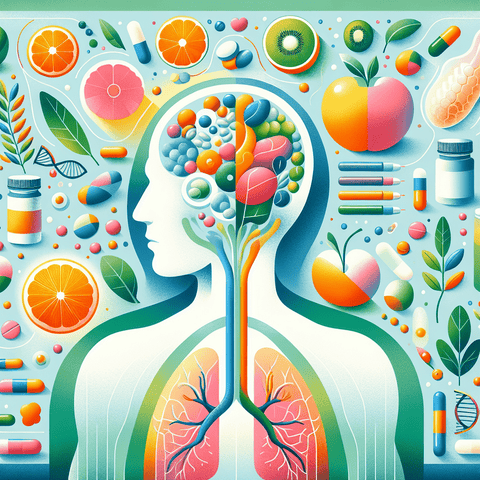
Bienvenido a un espacio enfocado en consejos de nutrición respaldados por la ciencia, diseñados para informar decisiones en lugar de prescribir resultados. Enfatizamos cómo entender los beneficios nutricionales mediante la evidencia sólida, cómo los diferentes diseños de estudio contribuyen a la visión general y cómo el contexto importa. Al centrarte en la frase beneficios nutricionales, reconocemos que dichos beneficios dependen de la combinación de nutrientes, el momento y factores personales, no de mensajes aislados. El objetivo es traducir la investigación en orientación práctica y transparente que siga siendo adaptable a las necesidades individuales. Aprenderás a distinguir hallazgos sólidos de las modas, a verificar posibles sesgos y a evaluar la calidad de las fuentes. A lo largo del proceso, el énfasis se mantiene en estrategias basadas en evidencia y en una interpretación cuidadosa, evitando afirmaciones absolutas en favor de un razonamiento reflexivo. Las estrategias respaldadas por evidencia giran en torno a un marco para evaluar la información. Discutimos cómo leer resúmenes, qué buscar en revisiones sistemáticas y cómo interpretar aparentes contradicciones en la literatura. El término beneficios nutricionales se trata como una lente para entender cómo los nutrientes contribuyen a la función corporal en diferentes contextos, sin reducir la biología compleja a slogans simples. También consideramos el papel de la variación individual, factores de estilo de vida e influencias ambientales que moldean cómo la información se aplica a ti. Al hablar de fuentes ricas en nutrientes, el enfoque está en reconocer cómo diferentes nutrientes encajan en un enfoque equilibrado, en lugar de clasificar los ítems. Fomentamos hábitos sencillos que apoyen un ritmo reflexivo respecto a la ingesta, como planificar con rutinas consistentes, llevar un registro neutral para reflexionar sobre lo aprendido y verificar la nueva información con fuentes confiables. Pasos prácticos para la vida cotidiana tienen como objetivo mantenerte orientado hacia fuentes confiables y conclusiones medidas. Discutimos cómo seleccionar información de revistas, instituciones y expertos reputados, y cómo verificar las afirmaciones antes de actuar en base a ellas. Entender los beneficios nutricionales en contexto significa reconocer que los resultados están mediado por muchos factores y que la ciencia de la nutrición evoluciona. Evitamos prescribir acciones universales con garantías y, en cambio, enfatizamos el proceso: cómo evaluar recomendaciones, cómo hacer preguntas y cómo ajustar tu enfoque a medida que surgen nuevos datos. Hábitos simples como establecer metas realistas, mantener la coherencia y dialogar con recursos de confianza pueden apoyar un compromiso constante y reflexivo con la información nutricional, respetando preferencias y limitaciones personales. En última instancia, esta página te invita a explorar el panorama de la ciencia de la nutrición con un ojo claro y crítico. Al centrarte en los beneficios nutricionales como concepto, puedes entender mejor cómo interactúan los diferentes elementos de la investigación nutricional dentro de patrones más amplios. El énfasis en estrategias basadas en evidencia, en una interpretación cuidadosa y en un razonamiento transparente tiene como objetivo capacitarte para tomar decisiones informadas en la vida diaria, sin hacer afirmaciones excesivas. Tómate tu tiempo, revisa múltiples fuentes y ajusta tu enfoque a medida que aprendes más. Este método apoya un compromiso duradero con los temas de nutrición, fundamentado en la ciencia y con un marco de precisión y humildad frente a la evidencia en constante evolución.
Beneficios nutricionales: Consejos respaldados por la ciencia para mejorar tu salud
Good nutrition is one of the most practical ways to look after your health. The nutritional benefits of a balanced, varied diet touch almost every part of daily life — from steady energy and comfortable digestion to the normal functioning of the immune system, muscles and bones. This page is our topical hub for nutrition: it explains what good nutrition involves, which essential nutrients the body needs, where to find them in everyday foods, and where supplements may fit alongside a healthy diet.
Below this overview you will find the articles tagged with this topic. Each one explores a specific nutrient, food or nutrition question in greater depth, so this page gives you the map of the subject and the articles give you the detail.
What Are Nutritional Benefits?
Nutrition is the process by which the body takes in food and puts the nutrients it contains to work. Nutritional benefits, then, describe what a well-nourished body can do: fuel daily activity, build and maintain tissues, and support the many systems that keep everything running.
Importantly, these benefits come from the overall pattern of what you eat and drink over time — not from any single food or ingredient. Nutrients work together, amounts and context matter, and personal factors such as age, activity level, genetics and health status shape how diet affects each individual. That is why responsible nutrition guidance focuses on balanced patterns rather than miracle foods, and why claims that sound too good to be true usually deserve a closer look.
The 7 Essential Nutrients Your Body Needs
Nutrition science commonly describes seven essential nutrient groups. 'Essential' means the body needs them to function normally and cannot make them — or cannot make enough of them — on its own, so they must come from food and drink.
- Carbohydrates — the body's main source of energy, found in foods such as whole grains, fruit, vegetables and legumes.
- Protein — provides amino acids, the building blocks used for muscles, tissues, enzymes and much more; sources include fish, poultry, eggs, dairy, legumes and nuts.
- Fats — a concentrated energy source that also helps the body absorb fat-soluble vitamins; unsaturated fats from olive oil, nuts, seeds and oily fish are generally emphasized in healthy eating patterns.
- Vitamins — compounds needed in small amounts for a wide range of normal processes, from energy metabolism to immune function.
- Minerals — elements such as calcium, magnesium, potassium, iron and zinc that support bones, blood, muscles and many other functions.
- Water — involved in virtually every bodily process, from temperature regulation to nutrient transport.
- Fiber — the part of plant foods that is not digested, supporting comfortable digestion and a healthy gut environment.
Macronutrients: Carbohydrates, Protein and Fats
Carbohydrates, protein and fats are called macronutrients because the body needs them in relatively large amounts and because they supply energy. Quantity is only part of the story: most healthy eating patterns emphasize whole-grain carbohydrates, varied protein sources and predominantly unsaturated fats.
Micronutrients: Vitamins and Minerals
Vitamins and minerals are needed in much smaller amounts, yet they take part in countless processes, including energy metabolism, immune function, bone maintenance and the formation of red blood cells. Eating a wide variety of foods is the simplest way to cover them. If you would like to understand individual minerals in more depth, our mineral supplements guide covers iron, zinc, selenium, iodine and other trace elements.
Water and Fiber
Water and fiber are easy to overlook, yet both shape how good nutrition feels day to day. Regular hydration supports concentration, physical performance and normal digestion, while fiber from whole grains, vegetables, fruit, legumes and nuts helps keep the digestive system working comfortably.
How Good Nutrition Supports the Body
When the diet regularly provides adequate amounts of essential nutrients, the body has the raw materials it needs for normal functioning. Established nutrition guidance links balanced eating patterns with several everyday benefit areas:
- Everyday energy — carbohydrates, fats, B vitamins, iron and magnesium all play roles in normal energy-yielding metabolism.
- Immune function — nutrients such as vitamin C, vitamin D, zinc and protein contribute to the normal function of the immune system.
- Muscles — protein supports the growth and maintenance of muscle mass, while magnesium and calcium contribute to normal muscle function.
- Bones — calcium, vitamin D, vitamin K and magnesium contribute to the maintenance of normal bones.
- Skin, hair and eyes — nutrients including vitamins A, C and E, zinc and omega-3 fats are involved in the normal structure and function of these tissues.
- Digestion — fiber, adequate fluids and, for some people, probiotic foods contribute to comfortable, regular digestion.
These statements describe widely accepted roles of nutrients in normal body function. Longer-term outcomes are more complex: research consistently associates balanced dietary patterns with better health over a lifetime, but results depend on many factors beyond food, including genetics, lifestyle and environment. No way of eating can guarantee the prevention of disease, and individual needs can differ considerably.
Nutrient-Rich Foods: The Foundation of a Balanced Diet
The most dependable way to obtain nutritional benefits is through a varied, predominantly whole-food diet. Nutrition researchers often talk about 'nutrient density' — getting plenty of nutrients relative to calories — and most healthy eating patterns are built from similar building blocks:
- Vegetables and fruit, for vitamins, minerals, fiber and plant compounds
- Whole grains, for energy, fiber and B vitamins
- Legumes, nuts and seeds, for plant protein, healthy fats and minerals
- Fish, poultry, eggs or other protein sources, for complete protein and micronutrients such as vitamin B12, iron and omega-3 fats
- Dairy or fortified alternatives, for calcium, protein and often added vitamin D
- Healthy oils such as olive oil, used in place of saturated fats where possible
Variety matters more than any single ingredient. Questions about individual foods — whether bananas are a good everyday snack, how peanut butter fits into a balanced diet, or which foods truly deserve to be called the most nutritious — depend on the whole diet and on personal needs, and our tagged articles look at specific foods one by one. For an overview of nutrient-dense ingredients and the health claims permitted around them, our superfoods guide is a useful place to start.
Where Supplements Fit In
A balanced diet comes first. Even so, supplements can play a supporting role — for example, when certain nutrients are difficult to obtain in sufficient amounts from food alone, when dietary choices or life stages increase requirements, or when a healthcare professional has identified a shortfall. Supplements are intended to complement the diet, not replace it, and they are not a shortcut to the benefits of healthy eating.
If you are considering a general top-up, our multivitamins guide explains how combined vitamin and mineral products are put together and what to look for in terms of ingredients, usage and safety. For more targeted needs, it is best to discuss options with a qualified professional who can help determine whether a supplement is appropriate for you.
Important Considerations
Nutrition is highly individual. Age, body size, activity level, life stage, dietary preferences and health conditions all influence what good nutrition looks like for a particular person. A few principles apply broadly, however:
- Favor overall dietary patterns over single foods or nutrients.
- Treat absolute claims with caution — reputable guidance describes what nutrients do and what research shows, without guarantees.
- Check the source: organizations such as the WHO and NIH, as well as registered dietitians, publish accessible, evidence-based guidance.
- Remember that the information on this page is general education, not personalized medical or dietary advice.
If you have a medical condition, take medication, are pregnant or breastfeeding, or are planning significant dietary changes or supplements, it is sensible to consult a doctor or registered dietitian first.
Exploring Nutritional Benefits Further
This page offers the map of the topic: what nutritional benefits mean, the essential nutrients the body needs, the benefit areas associated with balanced eating, and the roles of nutrient-rich foods and supplements. The articles listed under this tag explore individual parts of that map in depth — specific vitamins and minerals, particular foods, and common nutrition questions. Browsing them is a straightforward way to build a fuller, more nuanced picture of how nutrition can support your everyday health.