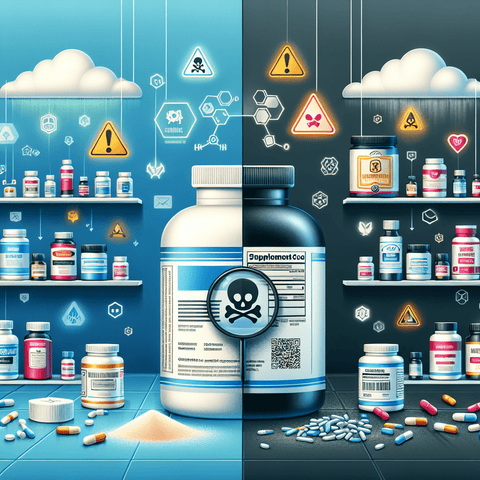
Suplementos en línea: Estafas al descubierto, identifica imitaciones y protege tu cartera


Los estafas de suplementos en línea son una trampa común para los compradores que navegan en el concurrido mercado digital. Esta página tiene como objetivo ayudarte a detectar suplementos falsos, desmentir exageraciones y proteger tu dinero con señales de advertencia prácticas y consejos de compra confiables. Enfocarte en detalles verificables y mantener un escepticismo prudente puede reducir drásticamente el riesgo de caer en productos de baja calidad o ofertas engañosas. Cuando encuentres estafas de suplementos en línea, la mejor defensa es un enfoque metódico: verificar las fuentes, leer la letra pequeña y favorecer la transparencia sobre promesas llamativas. Las señales de advertencia clave a tener en cuenta incluyen descuentos exagerados, paquetes que parecen demasiado buenos para ser verdad y presiones para actuar de inmediato. Ten cuidado con las pruebas gratuitas o las ofertas de “sin riesgo” que requieren datos de pago sensibles o que te inscriben automáticamente en renovaciones sin opciones de cancelación claras y fáciles. Busca información de contacto escasa o ausente, como sin dirección física o número de teléfono funcional, así como políticas de devolución vagas o sin términos publicados. Las reseñas que parecen fabricadas, una marca incoherente o imágenes de archivo también pueden indicar estafas de suplementos en línea. Si algo te parece extraño en las afirmaciones o la presentación de un sitio, trátalo con mayor precaución. Para verificar la legitimidad, busca evidencia de control de calidad y cumplimiento normativo. Los vendedores confiables suelen proporcionar información sobre estándares de fabricación (como GMP), pruebas de terceros y códigos de lote o certificados de análisis. Busca una dirección física verificable, un canal de atención al cliente funcional y políticas transparentes sobre reembolsos y envíos. Realiza una búsqueda rápida del nombre de la empresa o producto en sitios de vigilancia de consumidores o foros para detectar señales de advertencia. Asegúrate de que el sitio web utilice una conexión segura (https) y evita guardar datos de pago en páginas no confiables. Consejos inteligentes para comprar pueden ayudarte a evitar estafas de suplementos en línea. Prefiere minoristas establecidos o farmacias con licencia y un historial claro, y compara productos en fuentes confiables en lugar de hacer clic en enlaces sensacionalistas. Usa una tarjeta de crédito u otro método de pago que ofrezca protección al comprador y conserva tus recibos y comunicaciones por si necesitas presentar una disputa. Lee cuidadosamente las páginas del producto, incluyendo etiquetas y términos, y ten cuidado con trampas de renovaciones automáticas o términos de suscripción poco claros. Combinando una evaluación cautelosa con prácticas de compra confiables, podrás navegar por las estafas de suplementos en línea con mayor confianza y proteger tu dinero.


How to Spot and Avoid Counterfeit Supplements When Shopping Online - Topvitamine
29 de August, 2025
Los suplementos falsificados pueden presentar etiquetas alteradas, ingredientes incorrectos o contaminantes. Esta guía explica cómo reconocer señales de alerta, comprobar el envase y el número de lote, evaluar una tienda online y actuar si sospechas que un producto no es auténtico. También aclara qué vitaminas pueden causar toxicidad en exceso y por qué conviene consultar a un profesional antes de usar suplementos.
What are the risks of counterfeit supplements online and how can you avoid them? - Topvitamine
27 de August, 2025
Los suplementos falsificados pueden contener ingredientes no declarados, dosis incorrectas o contaminantes. Esta guía explica cómo identificar suplementos falsificados antes y después de comprar: revisa al vendedor, el envase, el lote, la caducidad y los canales oficiales de la marca. También encontrarás qué hacer si sospechas que un producto no es auténtico y cómo elegir un minorista más transparente.

What Are Online Supplement Scams?

The term 'online supplement scams' encompasses a range of deceptive practices found in the digital marketplace. At their core, these schemes aim to defraud consumers by selling products that are counterfeit, misrepresented, or tied to hidden fees. This can include everything from completely fake vitamins to products with unsubstantiated 'miracle' health claims. Scammers leverage sophisticated websites and social media ads to create a veneer of legitimacy, making it difficult for the average shopper to distinguish between a trustworthy brand and a fraudulent one.

Understanding the different forms these scams take is the first line of defense. The most common types include:

  • Counterfeit products that imitate well-known, reputable supplement brands.
  • Fake storefronts for non-existent companies that disappear after taking payment.
  • 'Free trial' offers that automatically enroll you in expensive, recurring subscription plans.
  • Products with labels that make false or unverifiable medical and health claims.

Being aware of these categories helps you maintain a healthy level of skepticism when browsing online, prompting you to look more closely at any offer that seems aggressive or too good to be true.

Key Red Flags of Fraudulent Supplement Sellers

While the details of each scam can vary, the vast majority share common warning signs. Learning to quickly identify these red flags can save you from significant financial loss and potential health risks. Instead of being swayed by flashy marketing, focus on the underlying signals of a potentially fraudulent operation.

Be particularly wary of the following:

  • Outrageous discounts and bundles that seem too good to be true, often used to create a false sense of urgency.
  • High-pressure tactics that urge you to 'buy now' or 'act fast' to secure a limited-time deal.
  • 'Risk-free' trials that require your credit card details for 'shipping' or 'handling,' or that have notoriously difficult cancellation processes.
  • A website with sparse or missing contact information, such as no physical address, working phone number, or only a web contact form.
  • Vague, incomplete, or non-existent return, refund, and privacy policies.
  • Reviews that look manufactured or fake, an unusually high number of positive reviews with little detail, or inconsistent branding and stock imagery on the site.

Trust your instincts. If something feels off about a site's claims, design, or policies, it is often wiser to err on the side of caution and look for an alternative, more established source.

How to Verify a Legitimate Supplement Company

Before making a purchase, take the time to verify the legitimacy of the company you are considering. A simple check can be the difference between a safe, effective product and a costly mistake. Reputable supplement manufacturers are generally transparent about their operations and welcome scrutiny.

To spot a reputable supplement company, look for evidence of quality control and a commitment to transparency:

  • Information about manufacturing standards, such as Good Manufacturing Practices (GMP).
  • Evidence of third-party testing, including batch codes or certificates of analysis (CoA) that verify the product's contents.
  • A clear, verifiable physical address and a functioning customer service channel (phone or email).
  • Transparent and easy-to-understand policies regarding refunds, shipping, and returns.
  • A professional, informative website that provides details about its products, ingredients, and sourcing.

Additionally, taking a few minutes to search for the company's name on consumer watchdog sites, forums, or review platforms can surface any significant red flags or complaints from previous customers. This simple research step is invaluable for confirming a company's legitimacy.

Smart and Safe Strategies for Buying Supplements Online

Once you have identified a seller that appears legitimate, employ smart purchasing strategies to further protect your wallet. The goal is to create a secure transaction and to ensure you have recourse if the product is not as described.

  • Favor established retailers, licensed pharmacies, or the manufacturer's official website with a proven track record.
  • Compare product prices and information across different reputable sources rather than clicking through from a single sensational social media link.
  • Always use a credit card or a payment method that offers strong buyer protection, as this can help you file a dispute if a transaction goes wrong.
  • Keep copies of your receipt, order confirmation, and any email communication in case you need to refer to them later.
  • Before completing a purchase, confirm that the website uses a secure connection for checkout (indicated by 'https' in the URL and a padlock icon).

Always read the product page carefully, including the supplement facts panel and fine print regarding terms and conditions. Be especially cautious of hidden subscription agreements or auto-renewal clauses. By combining these practical actions with a cautious mindset, you can navigate the online supplement market more confidently.

The Bottom Line on Supplement Scams

Navigating the world of online supplements does not have to be a gamble. By understanding what online supplement scams look like, knowing the red flags of a suspicious seller, and adopting a few key verification and purchasing practices, you can protect yourself effectively. The core principles are simple: demand transparency from manufacturers, prioritize quality and safety indicators, and use purchasing methods that offer you protection.

When in doubt, always consult with a healthcare professional before starting any new supplement, especially if you have underlying health conditions or are taking medication. For those looking to explore general wellness, you might find our guide to natural supplements useful, or you can learn more about specific nutrients like vitamin D to understand what to look for in a quality product. Ultimately, a well-informed consumer is the best defense against fraud, ensuring that your journey to better health is a safe and rewarding one.