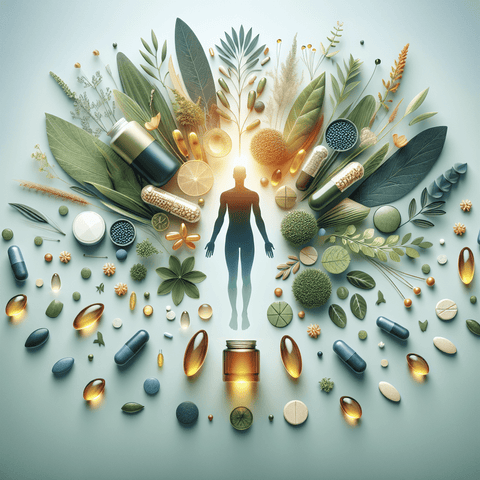
La absorción óptima de nutrientes es el concepto guía mientras exploras consejos respaldados por la ciencia para una mejor salud hoy. Esta página presenta estrategias prácticas, un uso inteligente de suplementos y combinaciones de nutrientes con énfasis en comprender los procesos de absorción en lugar de promesas de resultados. Al fundamentar la discusión en cómo el cuerpo procesa los nutrientes, puedes apreciar los factores que influyen en la eficiencia de la absorción. El enfoque permanece en la evidencia, la medición y el contexto individual. Las estrategias prácticas para una absorción óptima de nutrientes favorecen un enfoque reflexivo e individualizado. Las consideraciones incluyen cómo las formas y métodos de entrega interactúan con las vías de absorción, cómo los hábitos consistentes influyen en el procesamiento y cómo el contexto afecta la eficiencia. En lugar de recomendaciones universales, el énfasis está en decisiones creíbles, informadas por la investigación y guiadas por profesionales para adaptar los enfoques. El uso inteligente de suplementos se aborda como parte de un marco más amplio para la absorción óptima de nutrientes. La orientación se centra en evaluar la calidad del producto, la claridad del etiquetado y la solidez de la evidencia que respalda las afirmaciones. También destaca las posibles interacciones con otras sustancias y mantenerse dentro de las pautas recomendadas. El objetivo es tomar decisiones informadas basadas en la transparencia y la seguridad, más que en la exageración. Las combinaciones de nutrientes se discuten como un concepto de alto nivel que puede influir en la dinámica de absorción. La discusión reconoce que varias combinaciones pueden interactuar de maneras que afectan la eficiencia de la absorción y que la variabilidad individual puede moldear esos efectos. Los enfoques para combinar se enmarcan con cautela y basado en evidencias, fomentando que los lectores consulten recursos y profesionales confiables al explorar las posibilidades. El mensaje general es buscar la absorción óptima de nutrientes mediante una exploración disciplinada y basada en la ciencia.
Desbloquea la absorción máxima de nutrientes: consejos respaldados por la ciencia para una mejor salud hoy
Optimal nutrient absorption is the process by which your body extracts and utilizes vitamins, minerals, and other compounds from the food you eat and the supplements you take. It is a cornerstone of good health, as even the most nutrient-dense diet is only effective if your body can efficiently use what you consume. This guide explores the key factors that influence nutrient absorption, providing a practical overview of how digestion works, what can hinder the process, and how to support it with smart dietary and lifestyle choices.
How Your Body Absorbs Nutrients
The journey of nutrient absorption starts with digestion in the stomach, but the majority of absorption occurs in the small intestine, a highly specialized organ with a large surface area designed for this purpose. Here, nutrients pass through the intestinal lining into the bloodstream. The large intestine, or colon, plays a key role in absorbing water and some vitamins produced by gut bacteria. Each nutrient has a unique absorption pathway; some, like minerals, require transport proteins, while others, like fat-soluble vitamins, depend on dietary fats for optimal uptake.
Factors That Can Impair Absorption
Several factors can interfere with your body's ability to absorb nutrients effectively. Recognizing these can help you identify potential areas for improvement in your own routine.
- Gut Health: A healthy gut lining is crucial for absorption. Conditions like leaky gut syndrome, inflammation, or an imbalanced microbiome can compromise this barrier.
- Antinutrients: Compounds found in some foods, like phytic acid in grains and legumes or oxalic acid in spinach, can bind to minerals like iron, calcium, and zinc, reducing their absorption.
- Food Interactions: Some foods and beverages can inhibit absorption. For example, the tannins in tea and coffee can hinder iron absorption when consumed with meals.
- Age and Digestive Health: As we age, stomach acid production can decrease, which may affect the breakdown and absorption of certain nutrients, particularly vitamin B12 and minerals. Other digestive disorders can also impair absorption.
- Medications: Certain medications can interfere with nutrient absorption as a side effect. It's important to be aware of potential interactions and discuss them with your healthcare provider.
Enhancing Absorption Through Food Pairing
The food matrix—what you eat together—plays a significant role in how well nutrients are absorbed. Strategic food pairing is a powerful and practical way to enhance uptake.
One of the most well-known examples is pairing vitamin C with iron. Vitamin C can significantly enhance the absorption of non-heme iron (the type found in plant foods like lentils and spinach). For instance, adding bell peppers to a bean salad or drinking a glass of orange juice with your oatmeal can increase iron uptake. Similarly, consuming healthy fats is essential for absorbing fat-soluble vitamins like vitamins A, D, E, and K from foods that contain them.
While some pairings are beneficial, others are not. For example, calcium can compete with iron for absorption when taken in high doses together, so it's often recommended to take them at different times. The interaction of nutrients is a complex field, and an evidence-informed approach is always the best one.
Key Vitamins and Minerals: A Focus on Absorption
Different nutrients have distinct absorption requirements and challenges. Understanding these nuances can help you make more informed decisions about your diet and any supplementation you may consider.
Fat-Soluble Vitamins (A, D, E, K)
These vitamins are absorbed along with dietary fat into the lymphatic system. For optimal absorption, they should be consumed with a meal containing some fat. For example, adding avocado or olive oil to a salad with leafy greens helps with the absorption of vitamins A, E, and K.
Vitamin D is of particular interest because it's challenging to get from food alone. You can learn more about its sources and benefits in our vitamin D guide.
Minerals (Iron, Calcium, Magnesium, Zinc)
Minerals can be particularly finicky, as their absorption is influenced by many dietary factors. For example, vitamin C enhances iron absorption, while tannins and phytic acid inhibit it. You can find more detailed information on specific minerals and their proper use in our mineral supplements guide. For instance, magnesium exists in different forms, which can affect how well it's absorbed. For more specific information on this mineral, you can see our magnesium guide.
Smart Supplement Use for Better Absorption
When diet alone isn't enough, supplements can be a valuable tool. However, the goal is to choose wisely. The form of a nutrient can greatly impact its absorption. For example, some minerals are better absorbed in chelated forms (bound to an amino acid). A smart approach involves considering these factors, always prioritizing quality products with clear labels and evidence-based formulations. For a broad overview of what to consider when looking at supplement options, our natural supplements collection can serve as a helpful resource for high-quality products.
Frequently Asked Questions About Nutrient Absorption
To further clarify this topic, here are answers to some common questions people ask about how the body absorbs nutrients.
How can I correct poor nutrient absorption?
Addressing poor absorption starts with identifying the cause. This can involve improving overall gut health, addressing any digestive issues with a healthcare professional, being mindful of antinutrient-containing foods, and using strategic food pairings to enhance uptake. In some cases, switching to more bioavailable forms of supplements can also help.
What is the hardest vitamin to absorb?
Vitamin B12 is often considered one of the most difficult vitamins to absorb because its absorption is a multi-step process requiring adequate stomach acid and intrinsic factor, a protein produced in the stomach. Its absorption can decline with age and with certain medications.
Where are 90% of the nutrients absorbed?
The small intestine is the primary site for nutrient absorption. Its enormous surface area, created by villi and microvilli, is where the vast majority, often cited as around 90%, of nutrient absorption takes place.
Exploring Lifestyle and Digestive Health
Beyond specific foods and supplements, overall lifestyle and digestive health play a foundational role. A healthy gut, rich in beneficial bacteria, is more efficient at absorbing nutrients. Factors such as chronic stress, poor sleep, and excessive alcohol consumption can negatively impact the digestive tract and impair absorption. Focusing on a nutrient-rich diet, managing stress, and supporting a healthy gut microbiome with prebiotics and probiotics can create a more favorable environment for nutrient uptake.