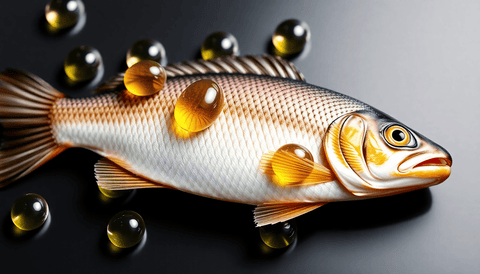
Aceite de Pescado Orgánico: Omega-3 Puro y Sostenible para una Salud Óptima
Descubre aceite de pescado orgánico: un producto de Omega-3 puro, obtenido de manera sostenible y diseñado con una etiqueta limpia en mente. El aceite de pescado orgánico de nuestra línea proviene de pesquerías certificadas según estándares orgánicos, con un filtrado cuidadoso y un procesamiento suave para preservar su perfil natural. Enfatizamos la transparencia y la trazabilidad, desde la captura hasta la cápsula, para que puedas conocer el origen de tu aceite de pescado orgánico en cada paso.
Nuestros socios de abastecimiento siguen prácticas responsables y estándares de gestión sostenible, asegurando una cadena de suministro transparente para el aceite de pescado orgánico. Desde la captura hasta la cápsula, cada paso está documentado, con certificaciones de terceros que protegen la integridad orgánica y la responsabilidad ecológica. Este compromiso ayuda a mantener una calidad constante en los lotes de aceite de pescado orgánico.
El aceite de pescado orgánico se ofrece con un enfoque de etiqueta limpia—ingredientes mínimos y contenidos claramente listados. Las cápsulas son ecológicas, utilizando materiales y empaques sostenibles diseñados para ser reciclables. Al combinar un abastecimiento cuidadoso con una fabricación consciente, esta línea de aceite de pescado orgánico busca respetar tanto el producto como el medio ambiente.
Aprende más sobre el aceite de pescado orgánico, incluidos los estándares de abastecimiento, certificaciones y cómo comparar opciones que se alineen con tus valores. Descubre la historia completa detrás de este producto y de dónde proviene. Aprende más.
Organic fish oil represents a specific category within the broader omega-3 supplement market. It is defined by its sourcing from certified organic fisheries and a commitment to clean-label processing. For those exploring omega-3 supplementation, understanding what makes a fish oil 'organic' involves looking beyond the basic health benefits of EPA and DHA to consider the entire journey of the product—from the water it comes from to the capsule it is delivered in.
What Does 'Organic' Mean for Fish Oil?
Unlike fruits or vegetables, fish cannot be certified organic in the same way since they are not grown in soil. Instead, organic certification for fish oil typically pertains to the management of the aquaculture or fishery. It signifies that the fish are raised or caught under specific standards that restrict the use of synthetic pesticides, antibiotics, and genetically modified organisms (GMOs). The term also extends to the processing of the oil, ensuring that extraction and refinement use approved methods and solvents.
This focus on organic practices is designed to result in a purer product. By minimizing exposure to synthetic chemicals throughout the supply chain, organic fish oil aims to deliver omega-3s in a form closer to their natural state. This commitment to purity is often a key driver for consumers who are looking for a cleaner and more traceable supplement option.
Key Considerations: Sourcing, Purity, and Certifications
When evaluating an organic fish oil product, several key factors determine its quality and integrity. These elements are what separate a truly transparent, high-quality product from one that merely uses the 'organic' label as a marketing term.
Here are the main pillars to consider:
- Sustainable Sourcing: Look for brands that partner with fisheries certified for organic standards and sustainable management practices. This ensures the fish population's long-term health and the surrounding ecosystem are considered.
- Traceability: A transparent supply chain is signified by documented steps from catch to capsule. This allows you to learn the origin of the oil at every stage, providing confidence in its authenticity and handling.
- Third-Party Certifications: These are independent verifications that safeguard both organic integrity and ecological responsibility. They are a crucial signal that a product meets the standards it claims upon its label.
- Gentle Processing: Methods like molecular distillation and cold-pressing help preserve the natural profile of the oil. Careful filtration is also essential to remove potential contaminants while retaining the delicate omega-3 fatty acids.
The Importance of Omega-3s (EPA and DHA)
The primary reason for taking fish oil is to obtain omega-3 fatty acids, particularly eicosapentaenoic acid (EPA) and docosahexaenoic acid (DHA). These are polyunsaturated fats that play a vital role in maintaining normal body functions, including supporting cardiovascular health, brain function, and joint mobility. Since the body is not efficient at producing these fats on its own, they must be obtained through diet or supplementation.
For those exploring their options, a dedicated collection of